 Red White
 A guide to wine, without the jargon
Grape varieties, food pairings, and plain-English articles — for people who want to learn without wading through sommelier-speak.
Popular grapes
Popular
Red wineBordeaux
Popular
White wineBakhmut
Popular
Red wineBordeaux
Popular
Red wineBaden
Popular
White wineAlsace
Popular
White wineBordeaux
Cabernet Sauvignon
Cabernet Sauvignon is the world's most widely recognized red grape, prized for producing deeply colored, full-bodied wines with firm tannins — the dry, gripping sensation you feel on your gums and tongue after a sip. Its flavor shifts dramatically with climate, from green pepper and blackcurrant in cooler regions to ripe black cherry and jammy fruit in warmer ones. Thick skins and high tannin give it excellent aging potential, often softening into notes of cedar and tobacco after years in the bottle.
Red wineBordeauxChardonnay
Chardonnay is one of the world's most widely planted white grapes, prized for how dramatically it can change character depending on climate and winemaking. In cool regions like Chablis it stays lean and green-apple crisp; in warmer regions or with oak aging and malolactic fermentation — a winemaking process that softens acidity and adds a buttery, creamy texture — it becomes rich and tropical. On its own the grape is fairly neutral, which is exactly why it takes on the fingerprint of wherever it's grown.
White wineBakhmutMerlot
Merlot is a soft, approachable red grape known for its plush texture and gentler tannins than its frequent blending partner, Cabernet Sauvignon. It ripens earlier and produces wines with juicy plum, black cherry, and cassis flavors, ranging from lush and velvety in warm climates to leaner and more herbal in cooler ones like Bordeaux. Its friendly character has made it one of the most popular red wines by the glass worldwide.
Red wineBordeauxPinot Noir
Pinot Noir is a thin-skinned, notoriously finicky red grape that produces light, elegant wines with bright red fruit flavors and silky, low tannins. It's highly sensitive to where it's grown, picking up subtle differences in soil and climate more than almost any other grape. Young Pinot Noir tastes of cherry and raspberry, while aged examples develop earthy, mushroom-like complexity.
Red wineBadenRiesling
Riesling is a highly aromatic white grape capable of more sweetness styles than almost any other — from bone-dry to lusciously sweet dessert wines — while always keeping a backbone of high, mouth-watering acidity. Young Riesling smells of green apple, lime, and white flowers; with age it can develop a distinctive smoky, honeyed character and even a whiff of petrol, a classic and prized trait rather than a flaw. Because it's rarely oaked, the grape's natural character and the personality of its vineyard site come through clearly.
White wineAlsaceSauvignon Blanc
Sauvignon Blanc is a crisp, aromatic white grape known for its zingy acidity and vivid, unmistakable aromas — think fresh-cut grass, gooseberry, and grapefruit in cooler regions, riper passion fruit and tropical notes in warmer ones. It's almost always made bone dry and unoaked, which lets those punchy aromatics shine through. It's also a key blending partner in the sweet dessert wines of Sauternes.
White wineBordeauxPopular regions
Popular
Bordeaux
Bordeaux is France's largest fine wine region, built on an oceanic climate and gravel- and limestone-rich soils near the Gironde estuary that favor blended wines over single-variety bottlings. It produces mostly red wine (roughly six bottles of red for every white) and its top châteaux, especially from the Left Bank and Right Bank, are among the most collected and expensive wines in the world.
Popular
Burgundy
Burgundy is one of France's most prestigious wine regions, celebrated for elegant, terroir-driven wines made almost exclusively from Pinot Noir (red) and Chardonnay (white). Its patchwork of small, individually named vineyards and limited production have made top Burgundies among the most sought-after and expensive wines in the world. The region has an oceanic climate with continental influence, and stretches from Chablis in the north down through the Côte d'Or to Beaujolais in the south.
Popular
Champagne
Champagne is France's northernmost major wine region and the birthplace of the world's most famous sparkling wine, thanks to its cool climate, high acidity, and distinctive chalk soils that give the wines their signature lightness and finesse. The classic Champagne blend draws on three grapes: Chardonnay, Pinot Noir, and Pinot Meunier, each contributing different qualities across the region's various subdistricts.
Popular
Chianti
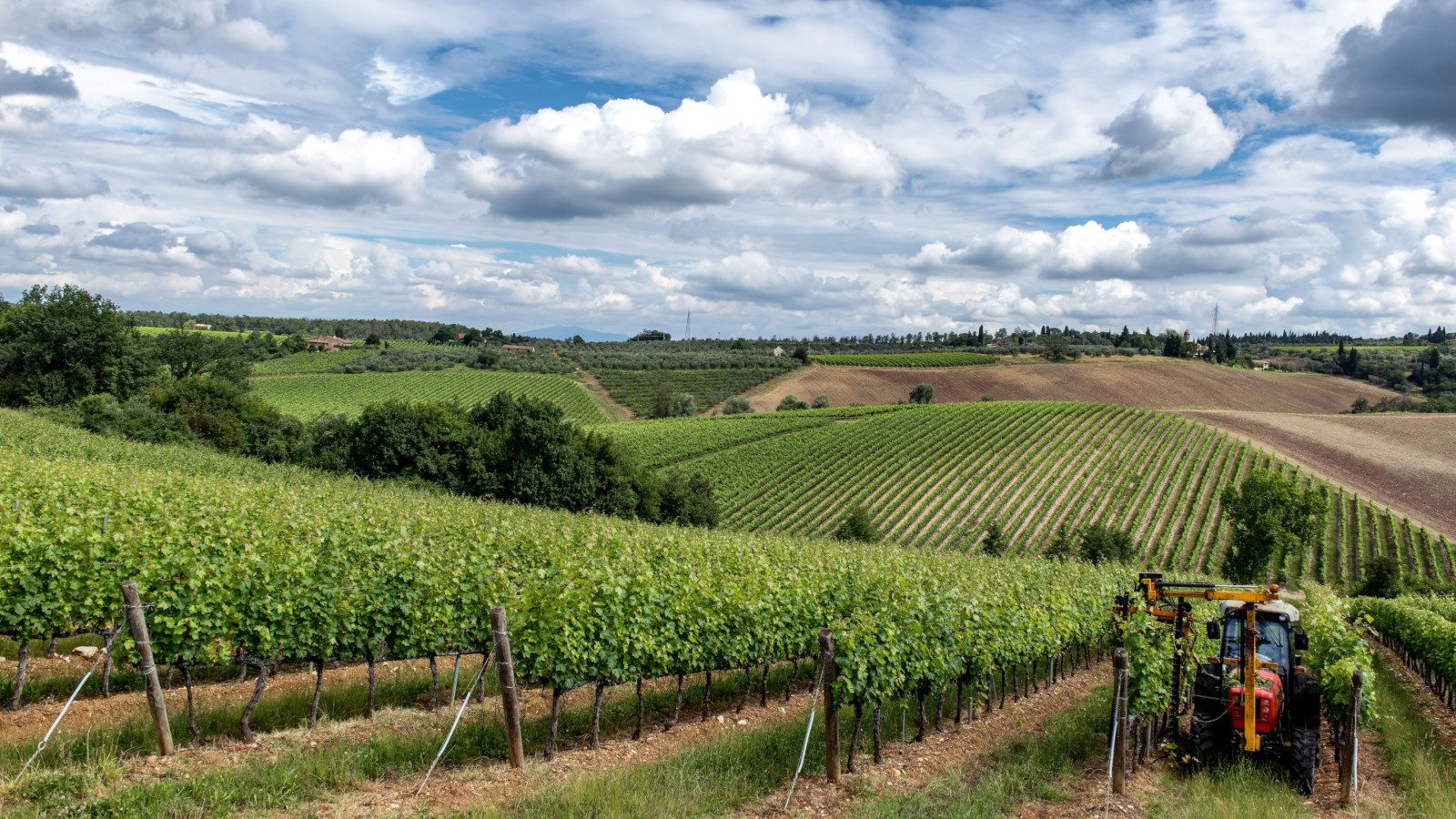
Chianti is Italy's best-known Tuscan red, grown across the sandstone and chalky marlstone hills between Florence and Siena and built around the Sangiovese grape. Regulations require Sangiovese to make up 75-100% of the blend, with small amounts of other reds like Merlot, Cabernet Sauvignon or Syrah permitted for structure. The wines are typically medium-bodied with firm tannins and bright cherry and floral character, ranging from everyday bottles to the more serious Chianti Classico.
Popular
Napa Valley
Napa Valley is widely regarded as America's most prestigious wine region, prized for its Mediterranean climate, fog-cooled mornings, and varied volcanic and alluvial soils across the valley floor and surrounding hillsides. It built its international reputation on Cabernet Sauvignon and Chardonnay, cemented by top finishes at the 1976 Judgment of Paris blind tasting against renowned French wines.
Popular
Rioja
Rioja is Spain's most prestigious wine region, spanning the cooler Rioja Alta and warmer Rioja Oriental zones. It's renowned for elegant, oak-aged Tempranillo reds, with the pronounced vanilla notes of oak aging serving as a virtual trademark of the style.