
Articles
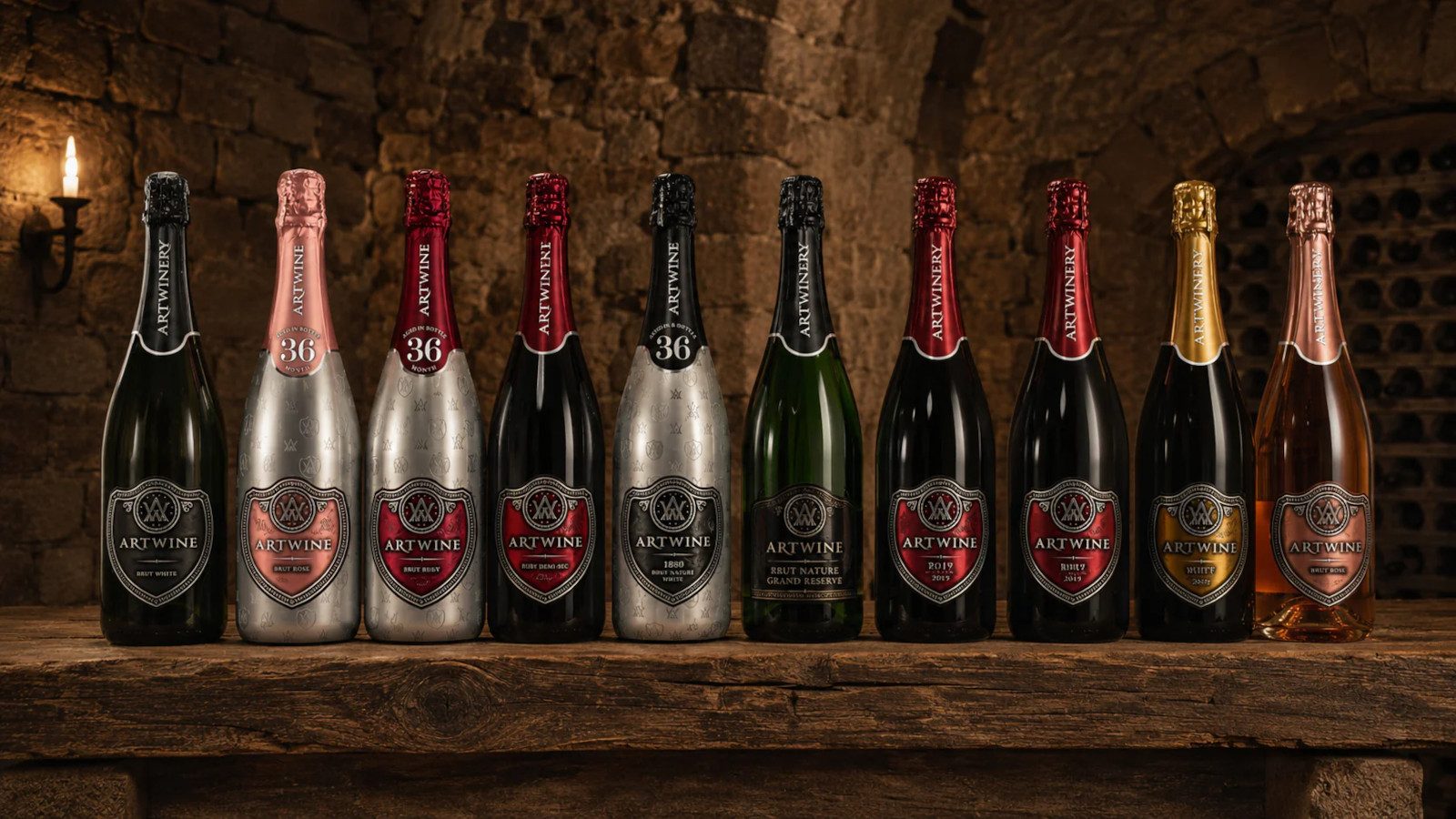
Bakhmut: The Sparkling Wine Cellar That Survived A City's Destruction
A 19th-century mine, millions of bottles, and a rescue carried out in stages while the city above it was fought over street by street.
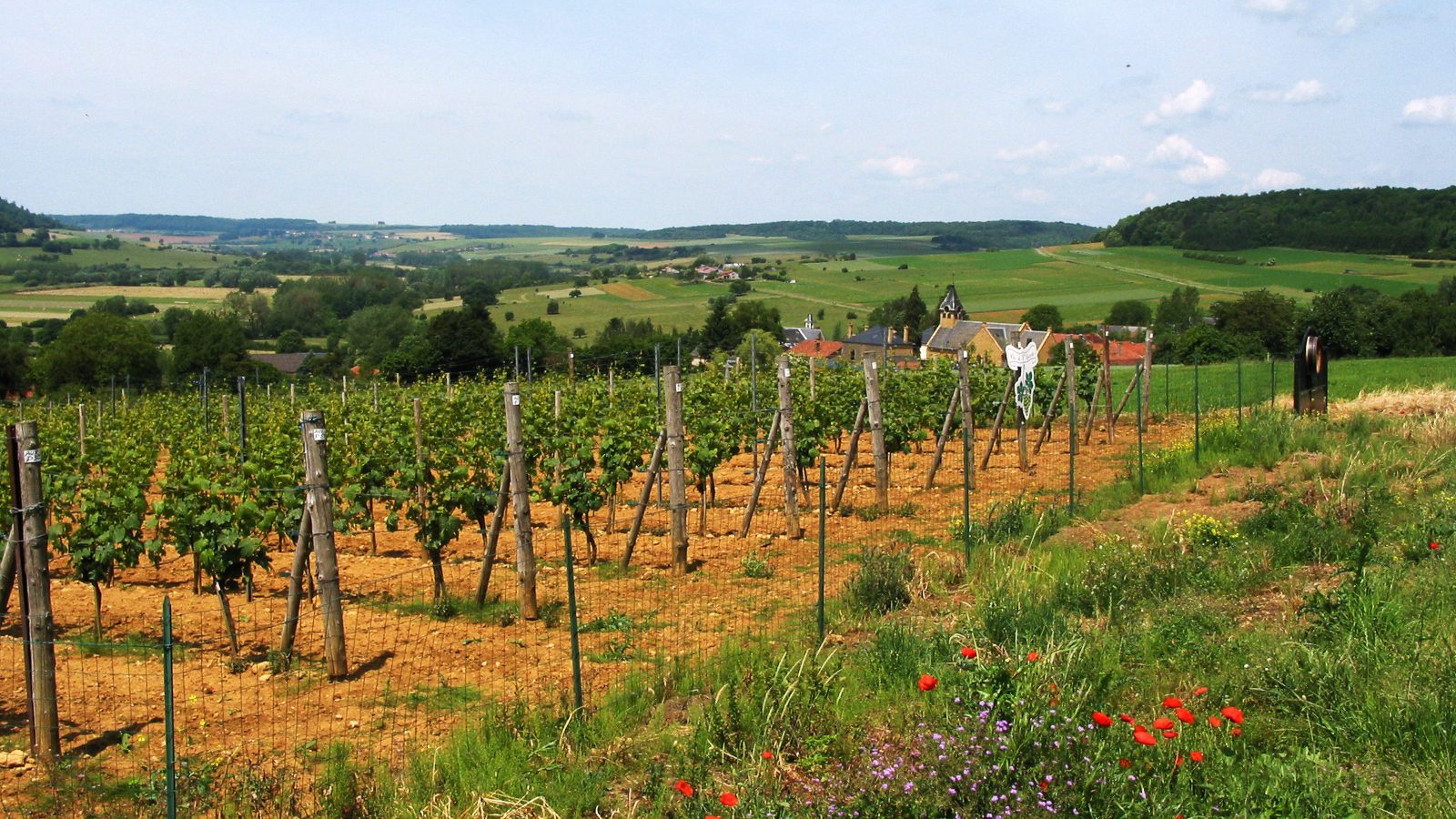
Belgium: Not Just The Best Beer In The World
Everyone knows the beer. Belgium also quietly makes genuinely good cool-climate wine, and has done for long enough now to have its own appellations.
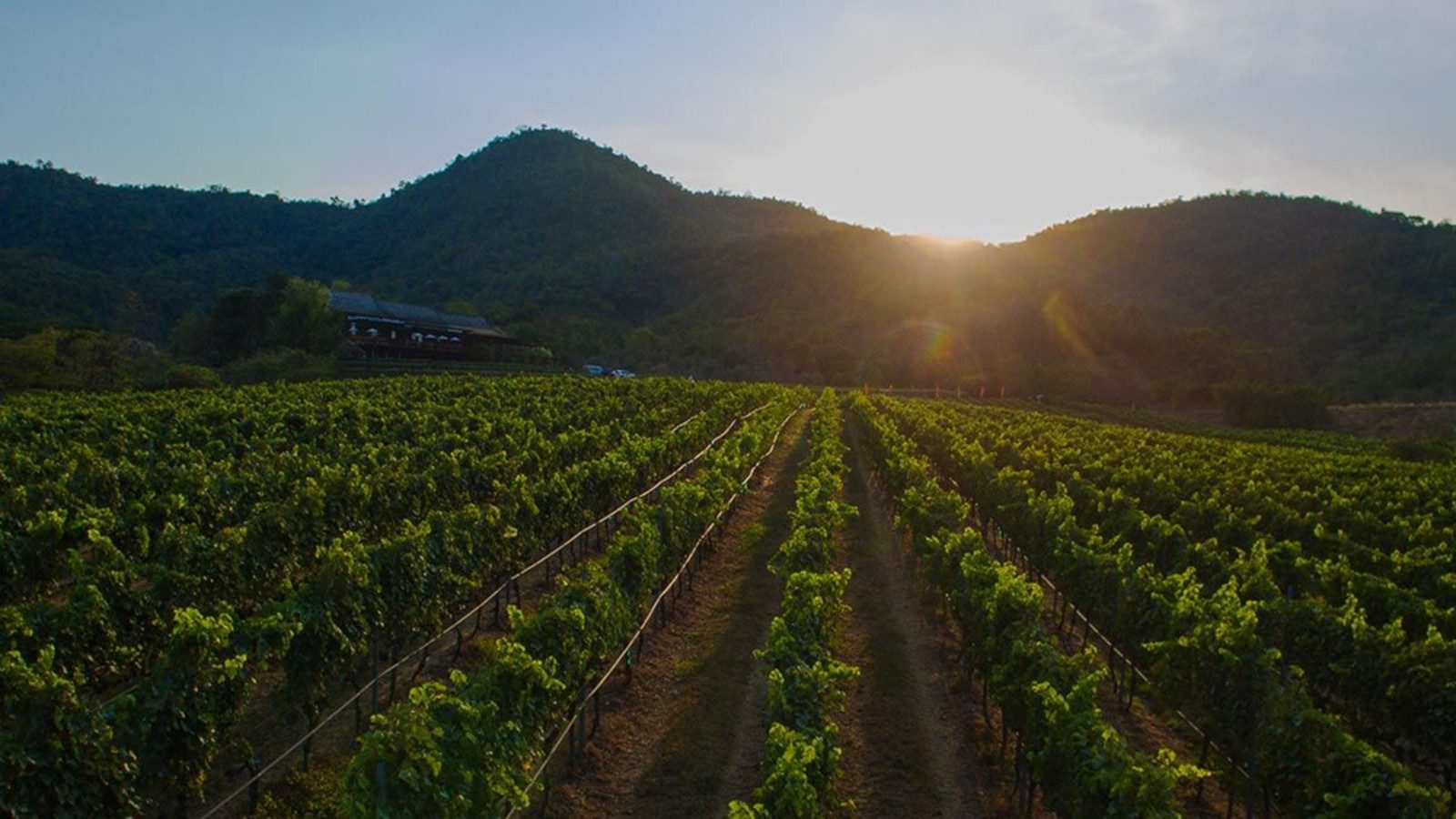
Tropical Wine Making: How Is It Even Possible?
Vines need a proper winter to rest. Growers near the equator, from Brazil to India to Thailand, just fake one instead.
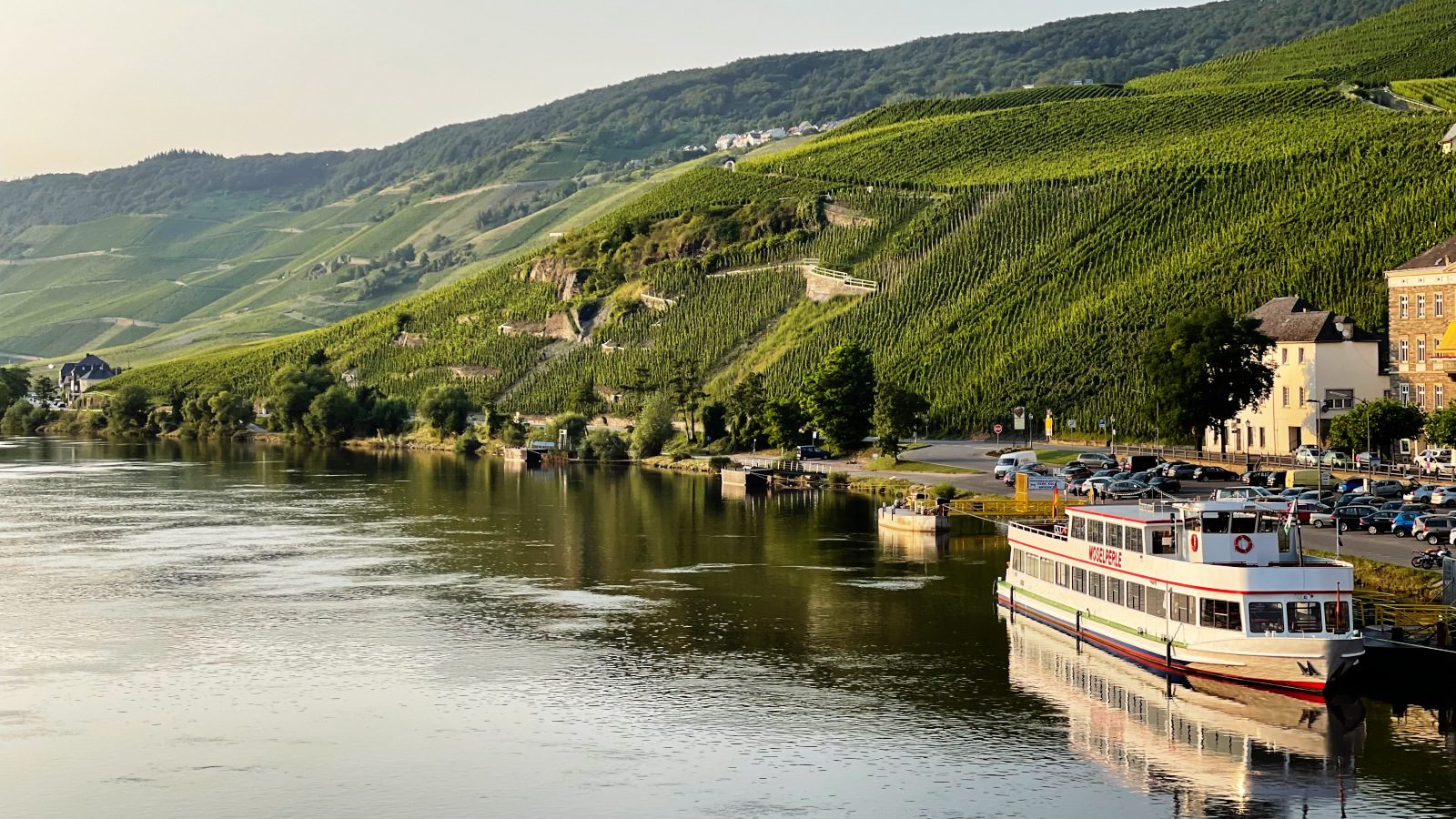
Mosel River: Steep Slopes, Riesling and Sundials
Vines clinging to slate cliffs too steep for machinery, a grape that runs from bone-dry to lusciously sweet, and one of Europe's most underrated, most affordable serious wine regions.
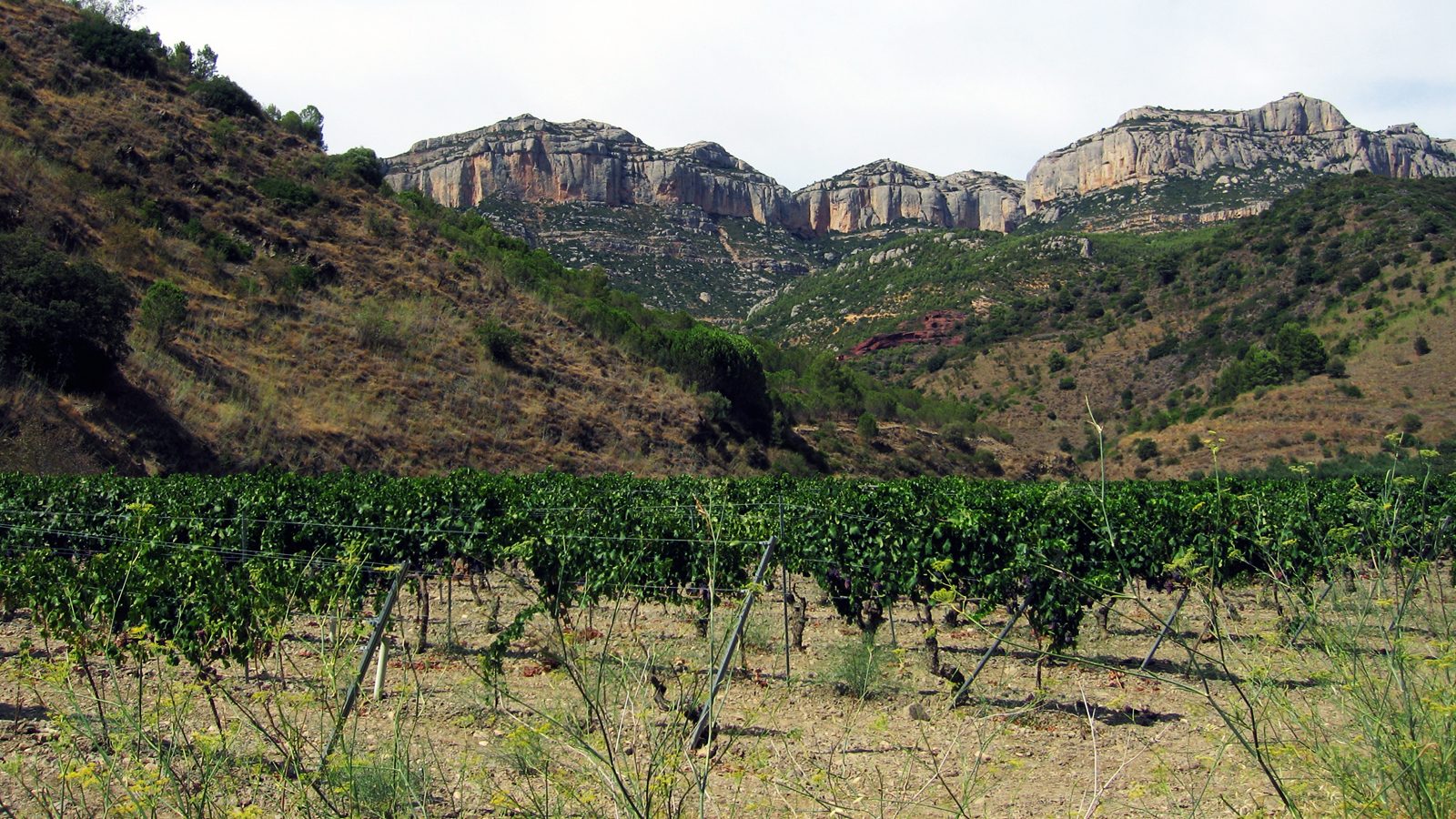
Priorat: How A Ruined Monastery Region Became One Of Spain's Most Expensive Wines
Same bulk-wine reputation as Languedoc-Roussillon, same rough era of reinvention — solved by doing almost the exact opposite.
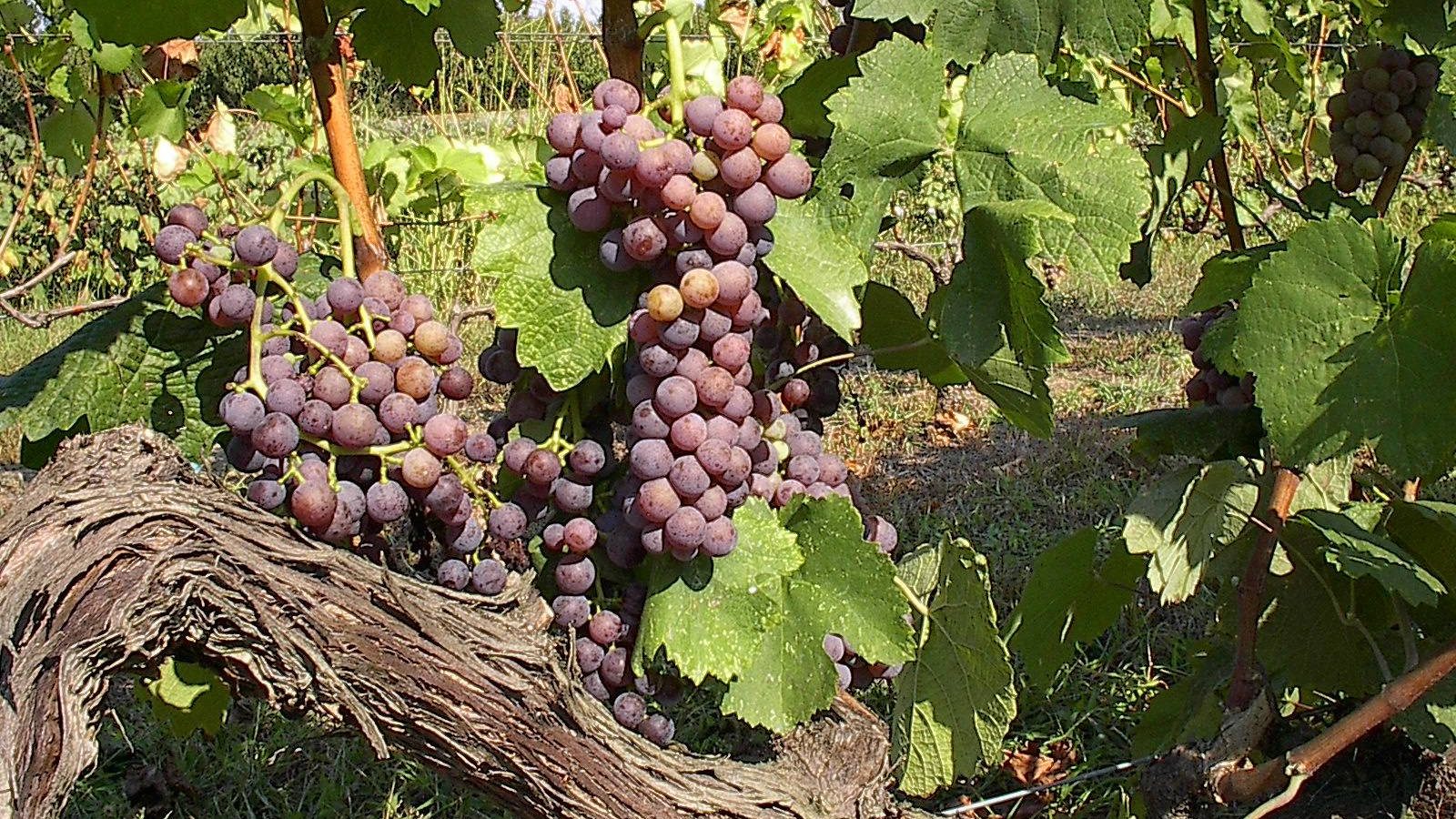
Retsina: The Wine Greece Never Stopped Making On Purpose
The reason Greek wine used to taste of pine disappeared centuries ago. Producers kept adding the pine anyway.
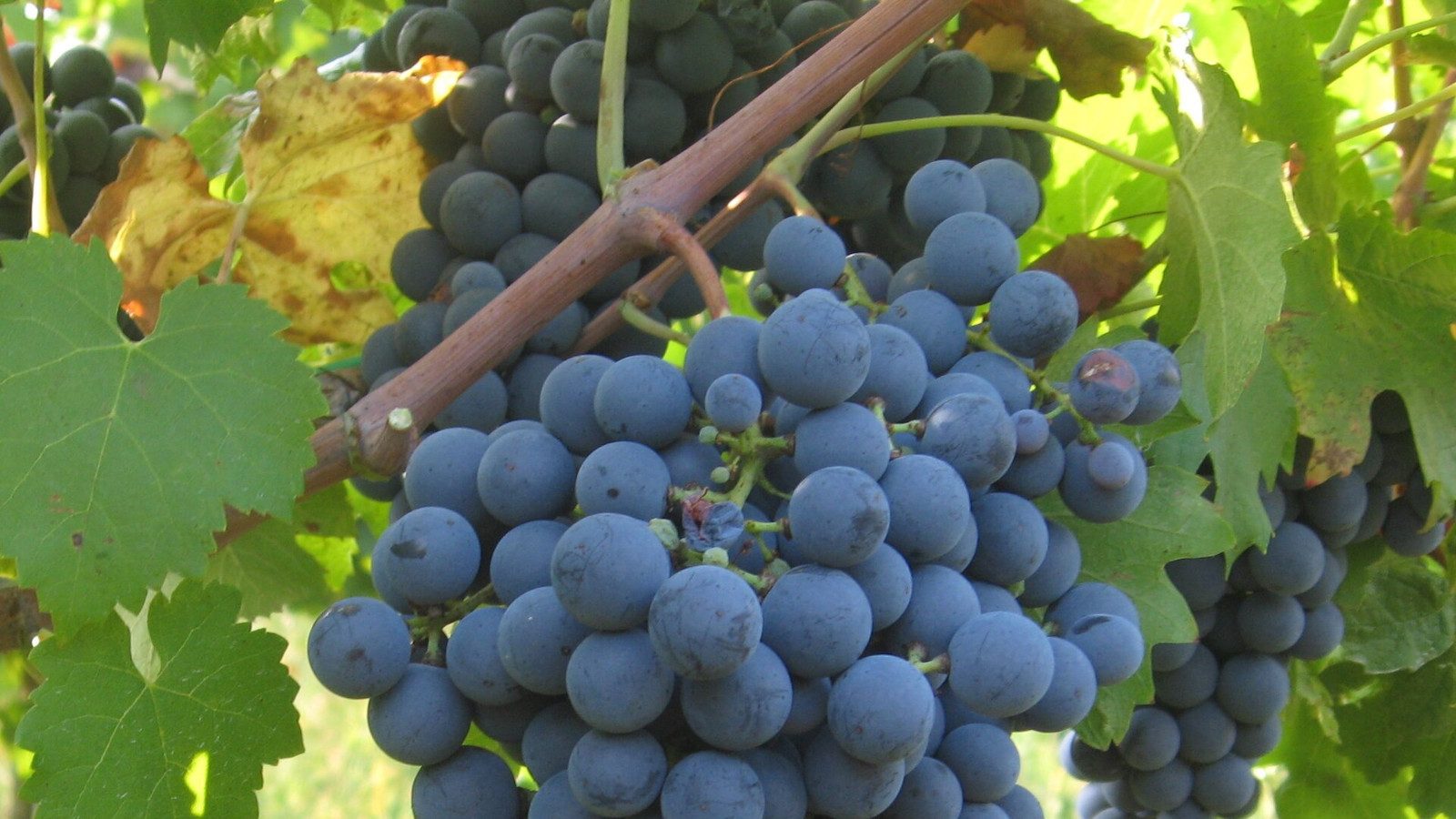
Carménère: The Grape Presumed Extinct For 100 Years
An entire country's wine industry was selling the wrong grape for over a century, and didn't find out until a DNA test said so.
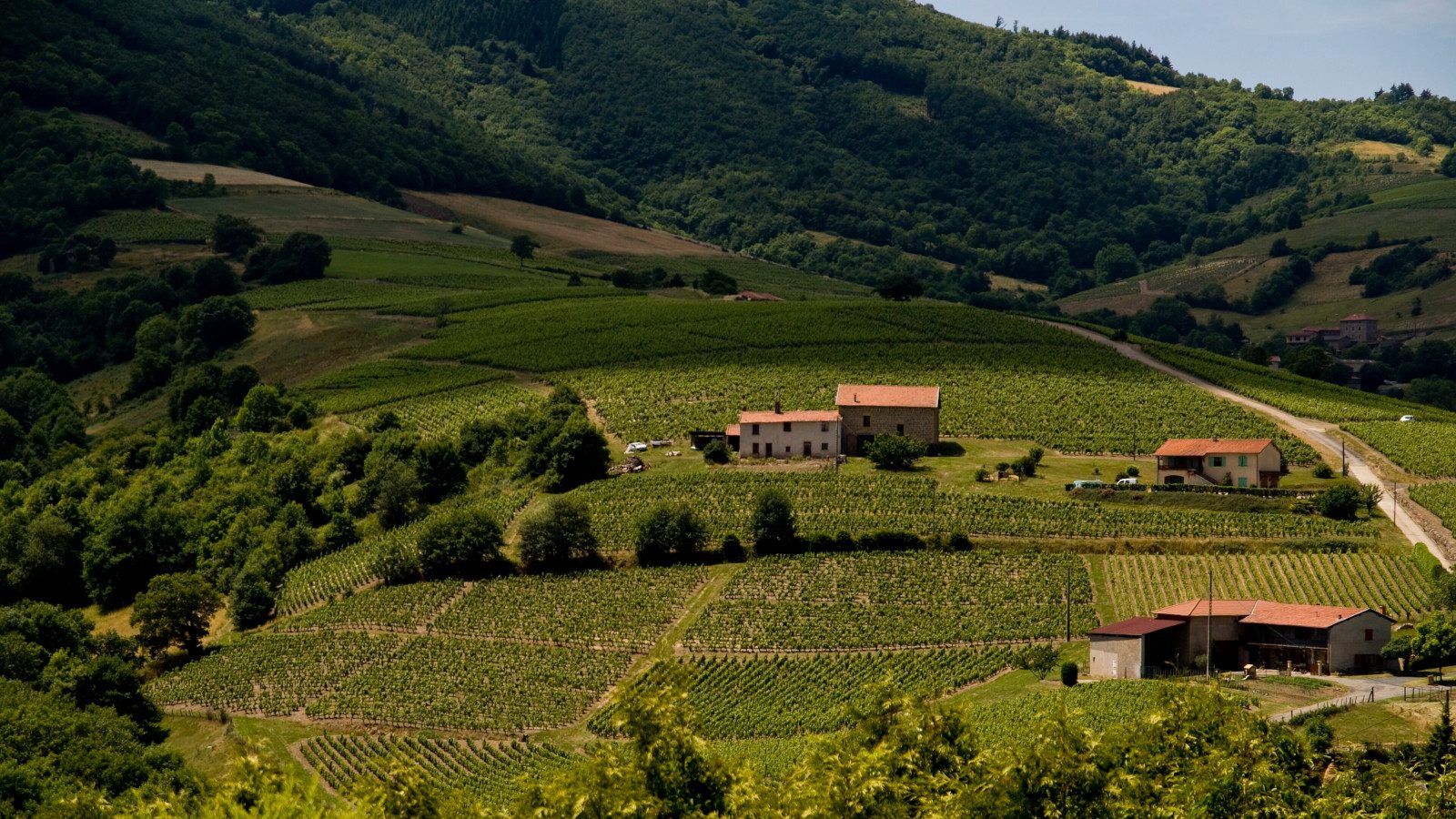
Beaujolais Nouveau And The Wine Race That Took Over The World
The wine everyone treats as a marketing gimmick is actually made by a completely different fermentation method — and it's dragging serious Beaujolais down with it.
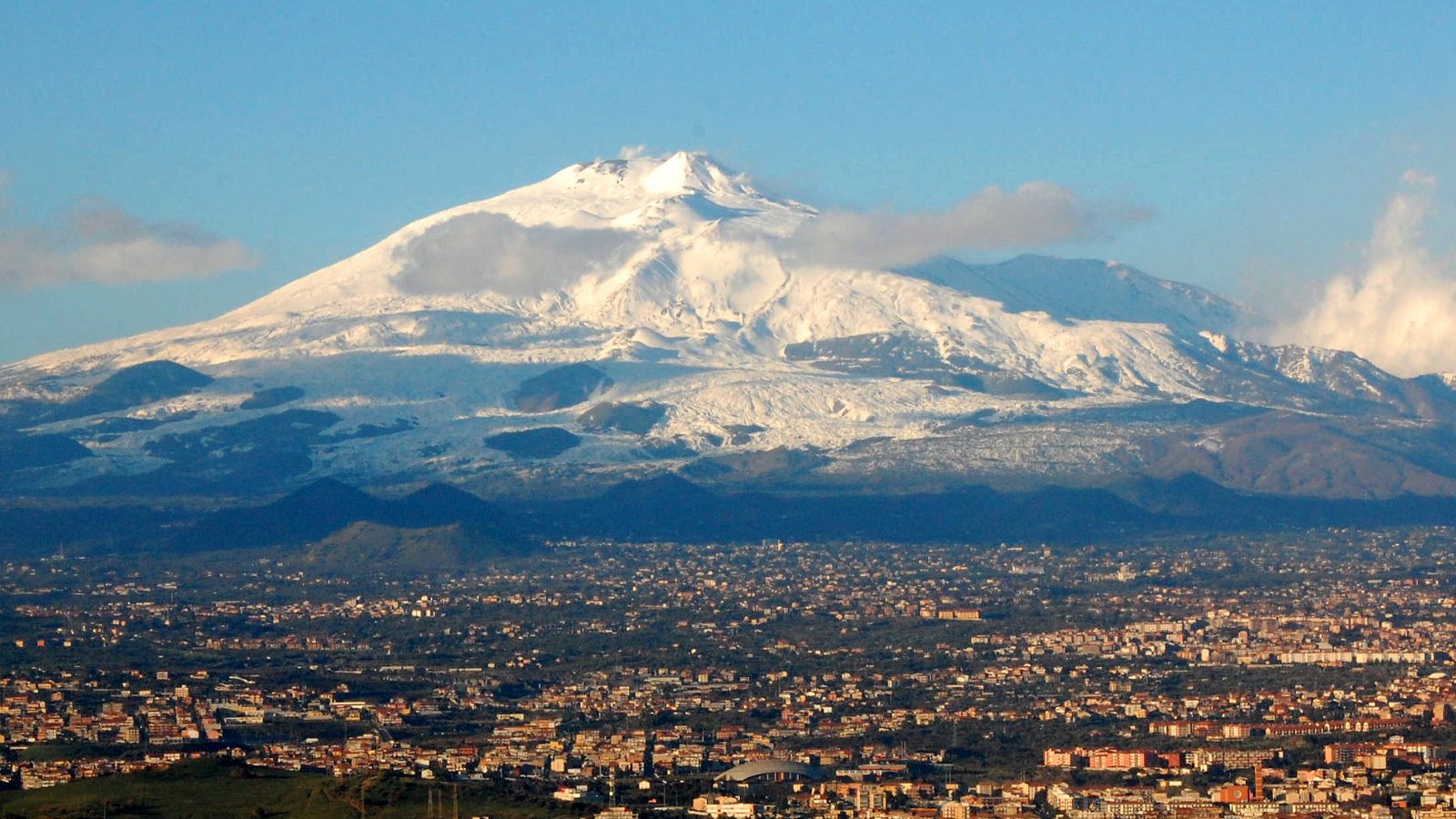
Wine On A Volcano: How Etna's Soil May Have Saved It From Phylloxera
Vines growing in the sandy soil of an active volcano turn out to be one of the rare European survivors of the pest that wiped out almost everyone else.
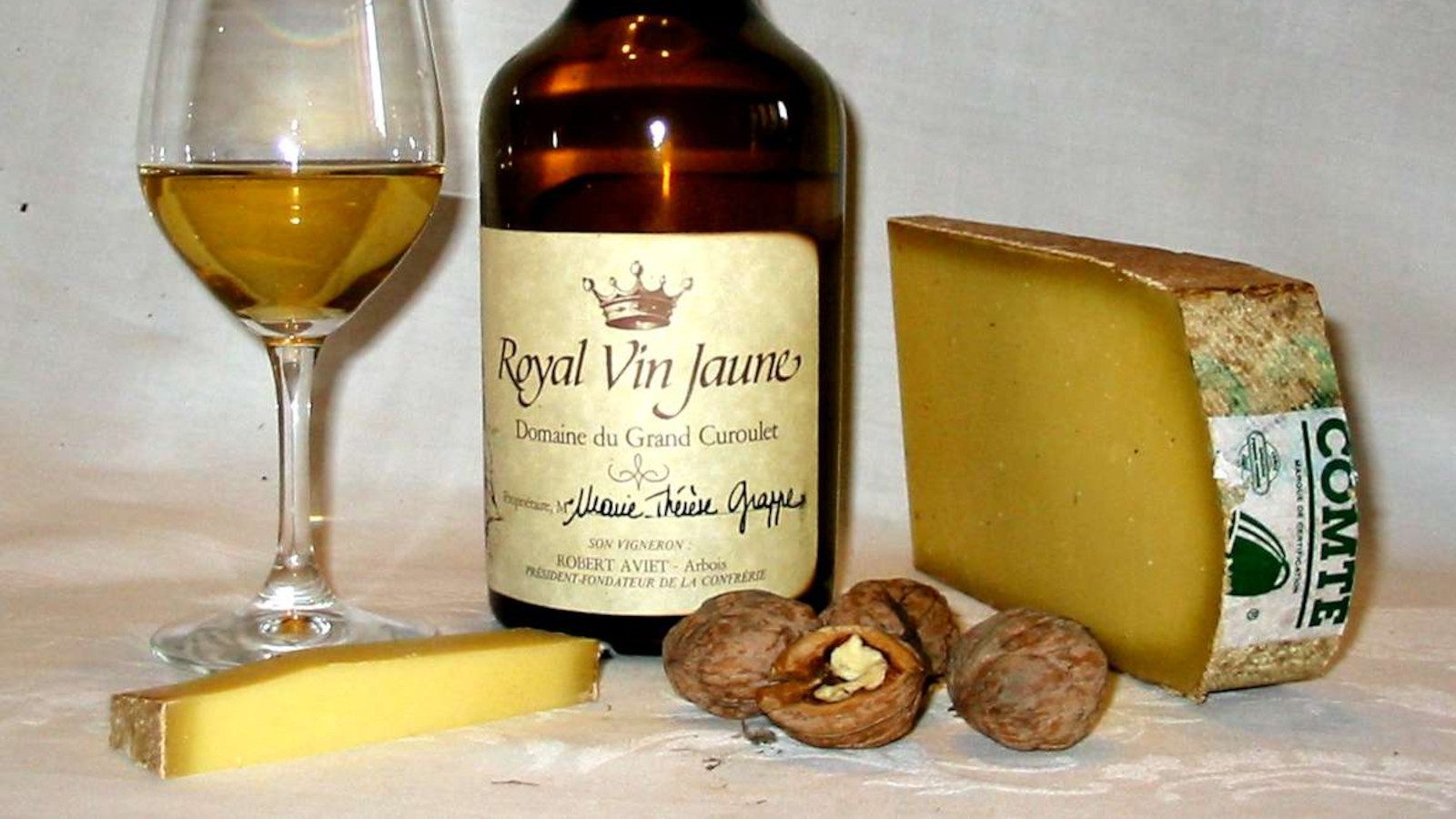
Vin Jaune: Jura's Wine Aged Under Its Own Living Skin
Left alone in barrel for six years with no top-ups, growing its own living layer of yeast for protection — Jura's most stubbornly independent wine.
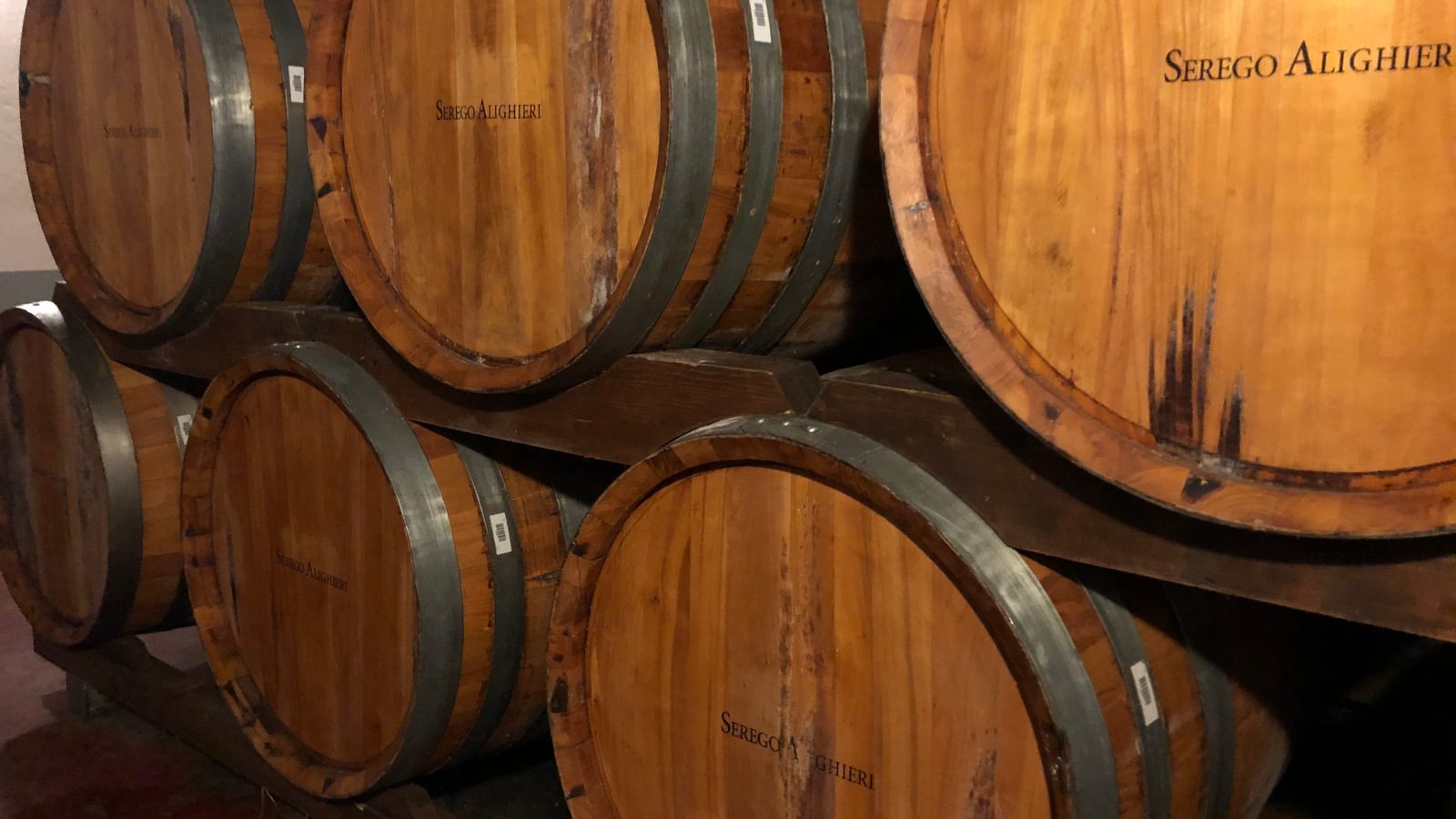
Amarone And The Art Of Drying Grapes On Purpose
Same goal as botrytis — shrivel the grape, concentrate the juice — reached with a drying rack instead of a fungus.
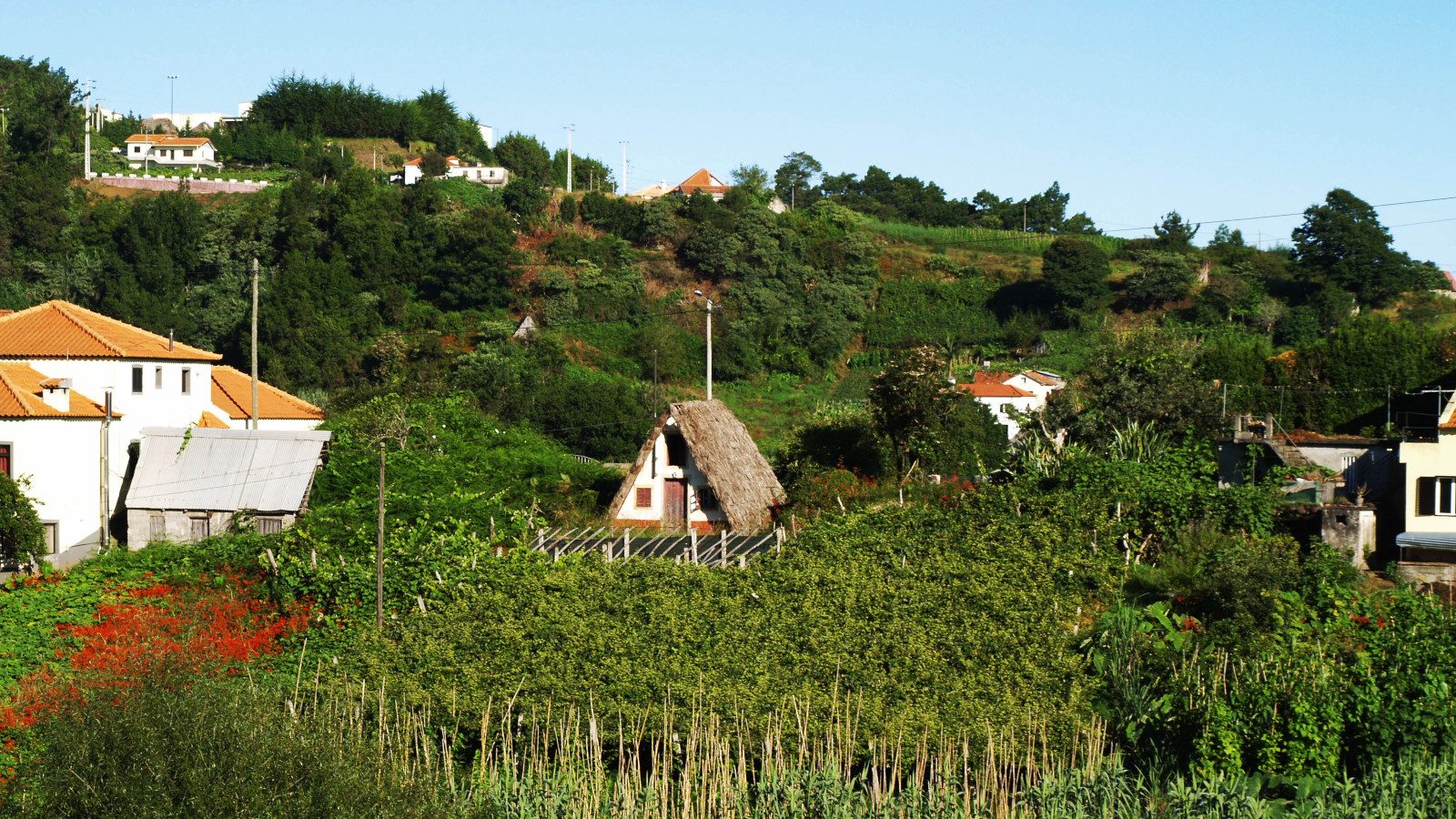
Madeira: The Wine That's Nearly Impossible To Ruin
A wine that got cooked and shaken for months at sea by accident came back better — and producers have been deliberately recreating that disaster ever since.
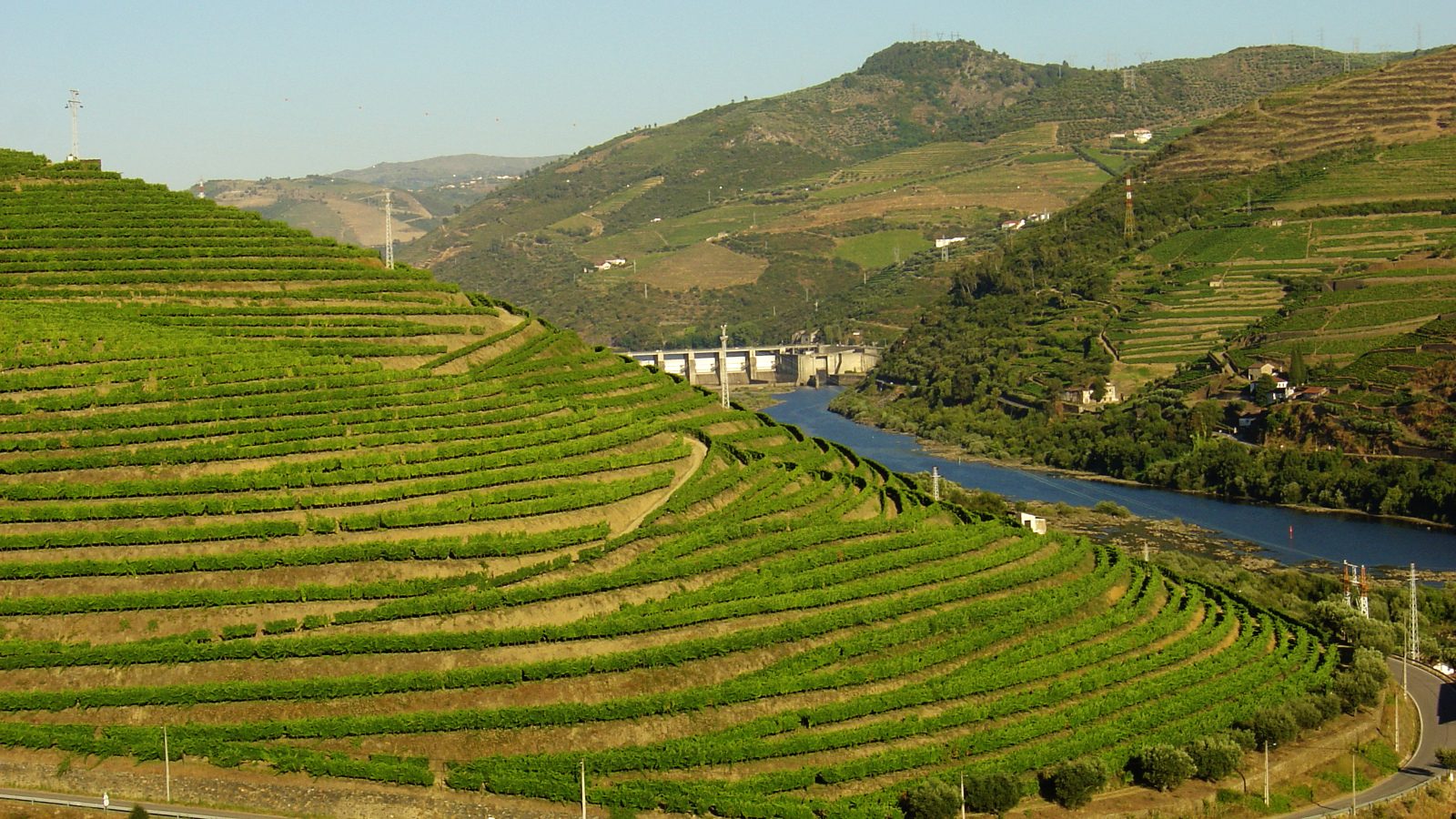
Port And The Douro Valley: The World's Oldest Wine Region
One trick — stopping fermentation early with a shot of spirit — built an entire wine style, in a region that wrote wine law before almost anyone else bothered to.
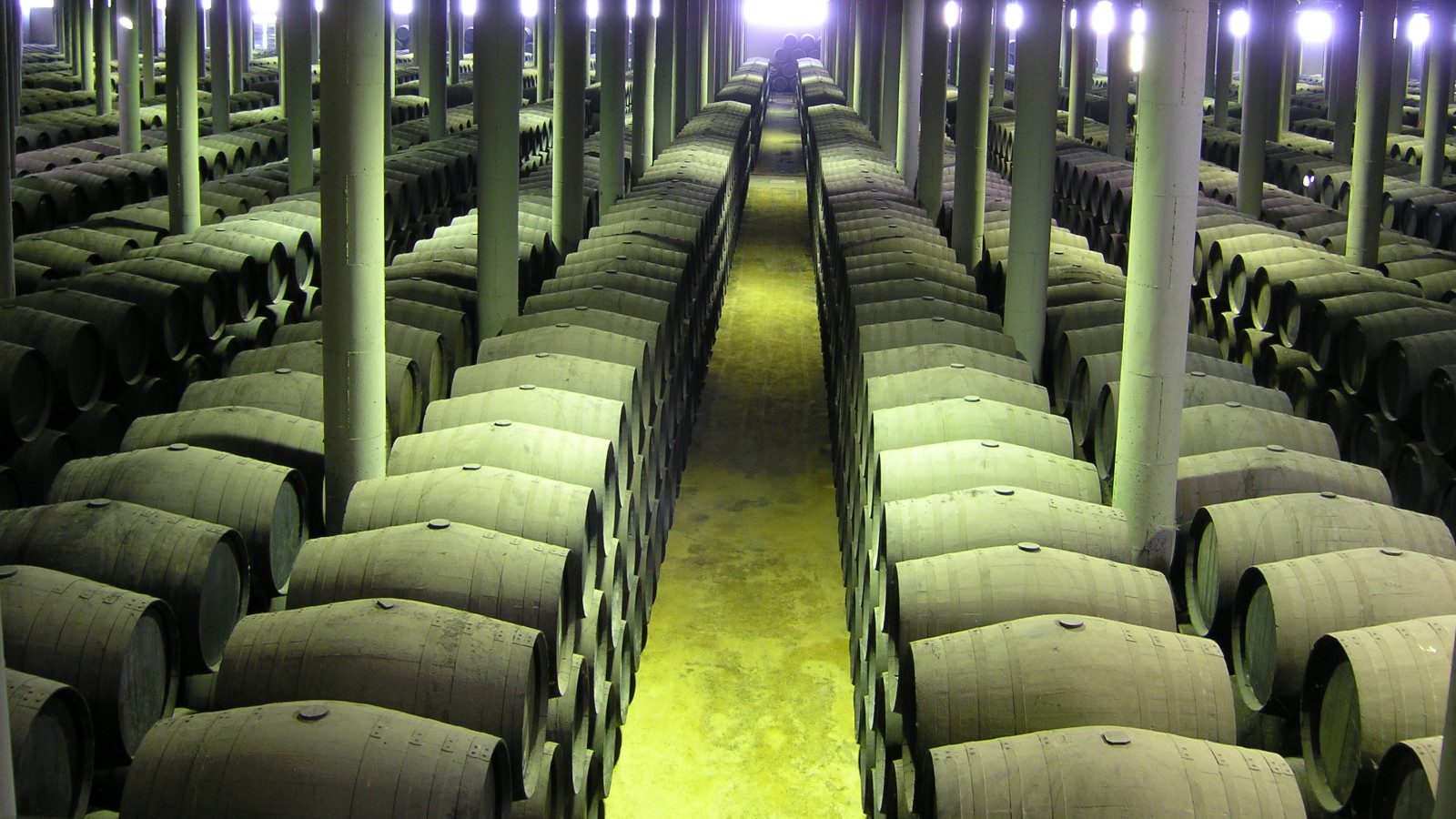
Sherry: The Wine That Ages Itself
Everyone's nan had a bottle of the bad stuff. The actual production method — barrels that never fully empty, and a living yeast raft that decides how it turns out — deserves a lot more credit.
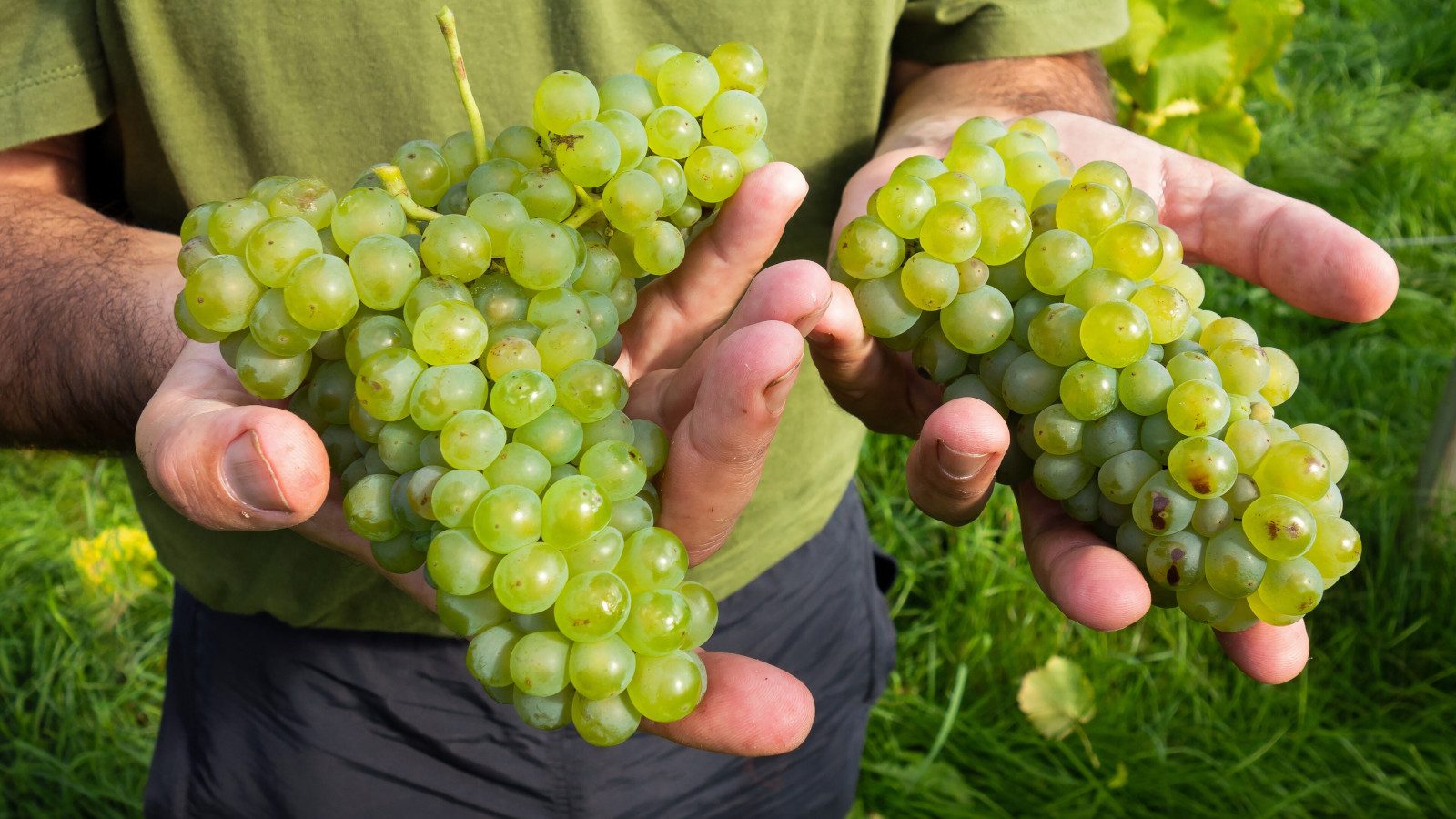
How The Same Grape Produces Great Wines All The Way From Norway To Thailand
Bred in Germany for a short, cold Scandinavian summer, and now thriving in a Red Bull-owned tropical vineyard near the equator — for exactly the same underlying reason.
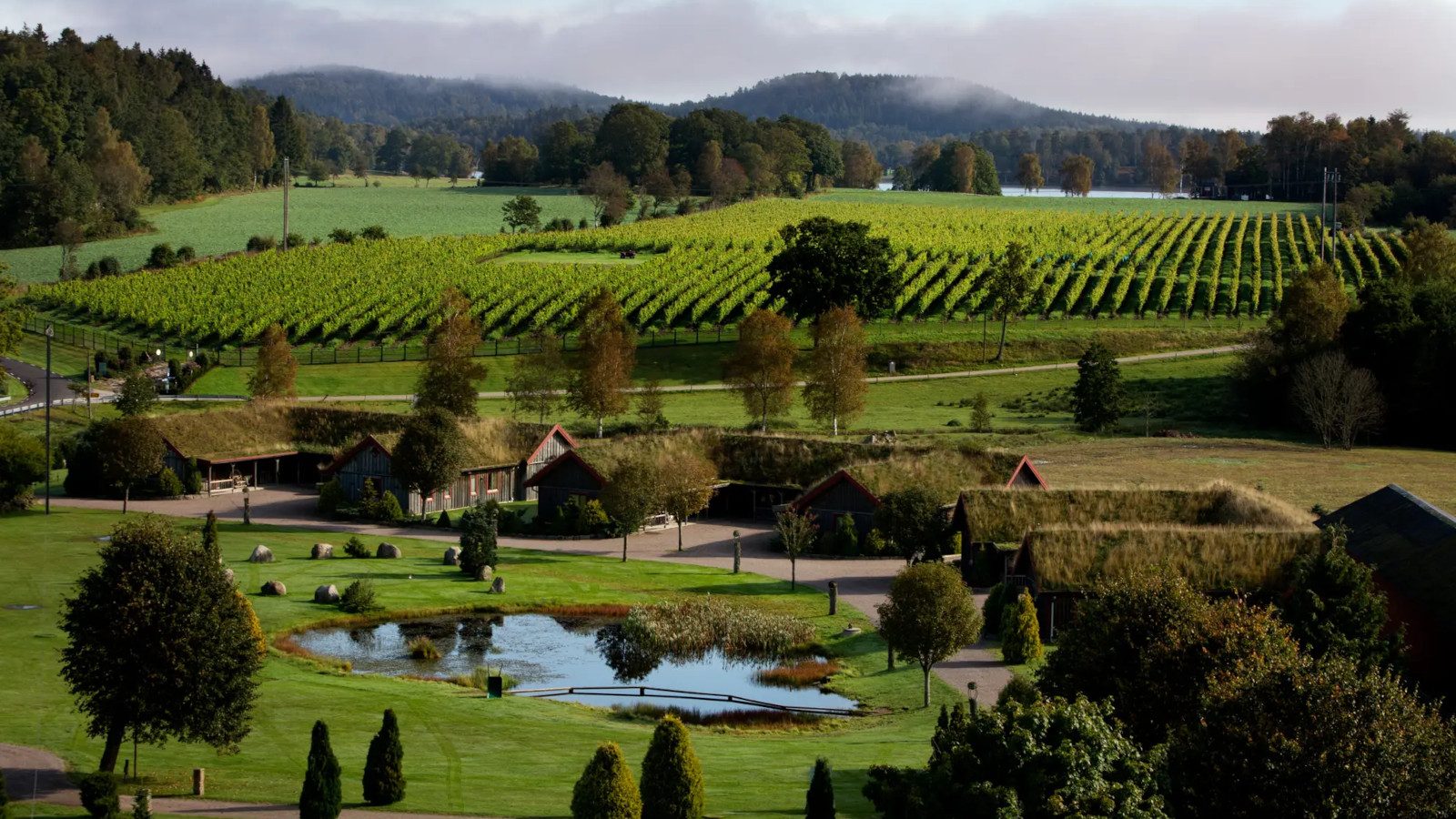
Wine From Scandinavia?
A warming climate, unusually long summer daylight, and a grape bred for exactly this problem — how Denmark, Sweden and Norway ended up making genuinely good wine.
Languedoc-Roussillon: The "New World" Wine Region Of France
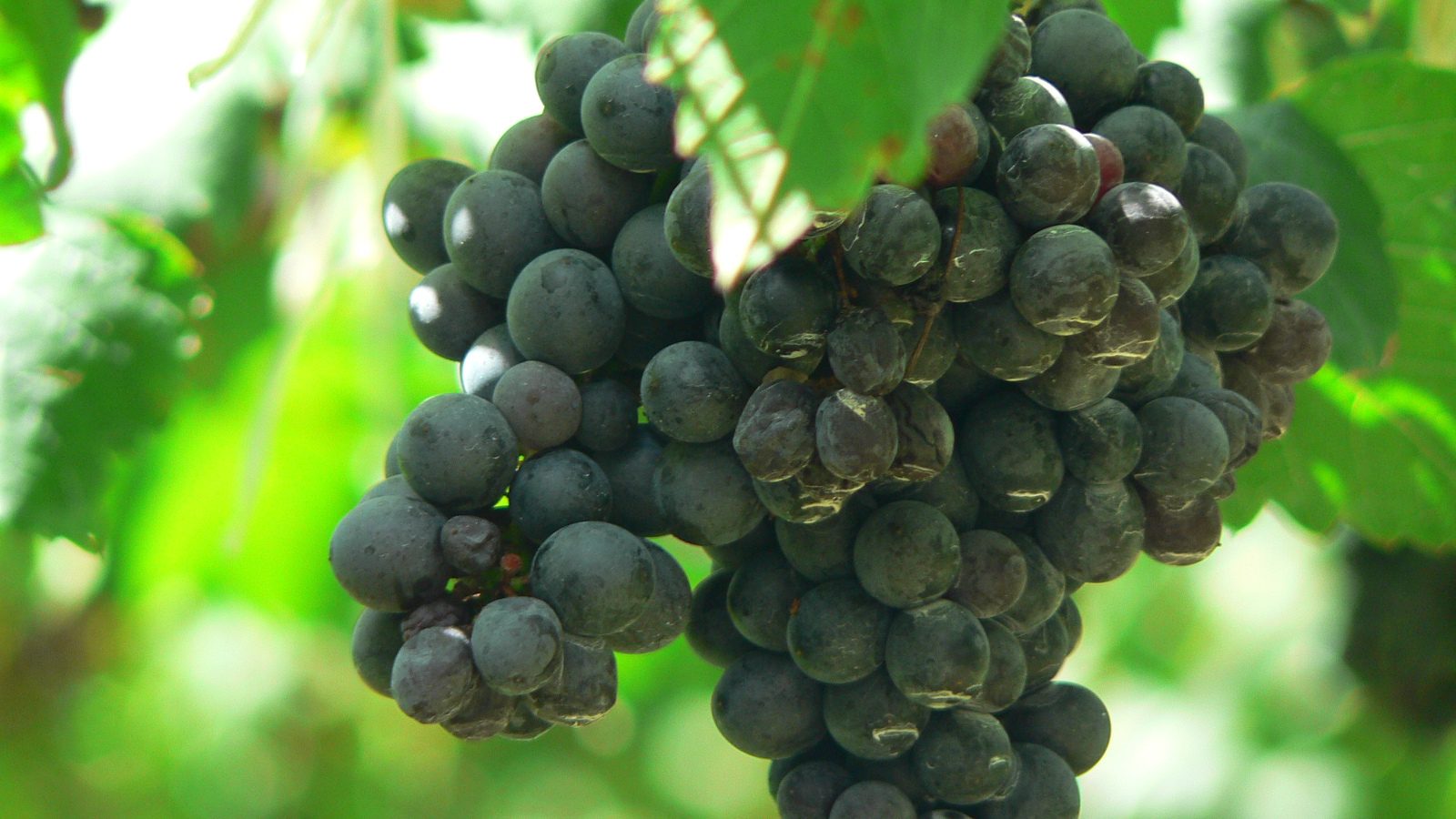
France's old bulk-wine engine room reinvented itself with science and scale rather than tradition — the opposite instinct to Bordeaux and Burgundy, without leaving the country.
Blanc De Noirs: Not Just For Champagne
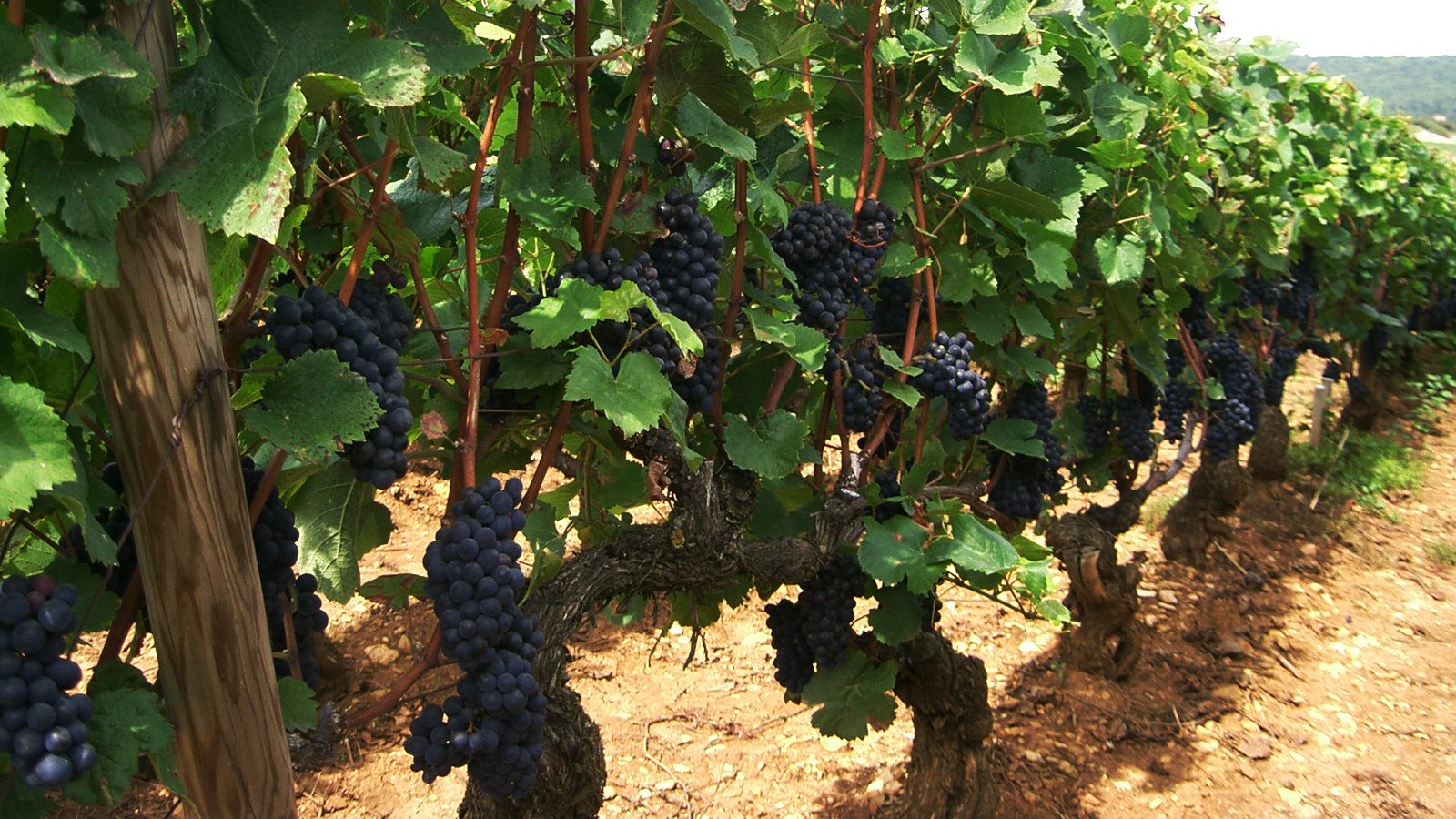
Orange wine treats a white grape like a red. This is the exact opposite trick — a black grape, pressed fast enough to make a white.
The Best-Kept Secret Of Champagne: Rosé De Saignée
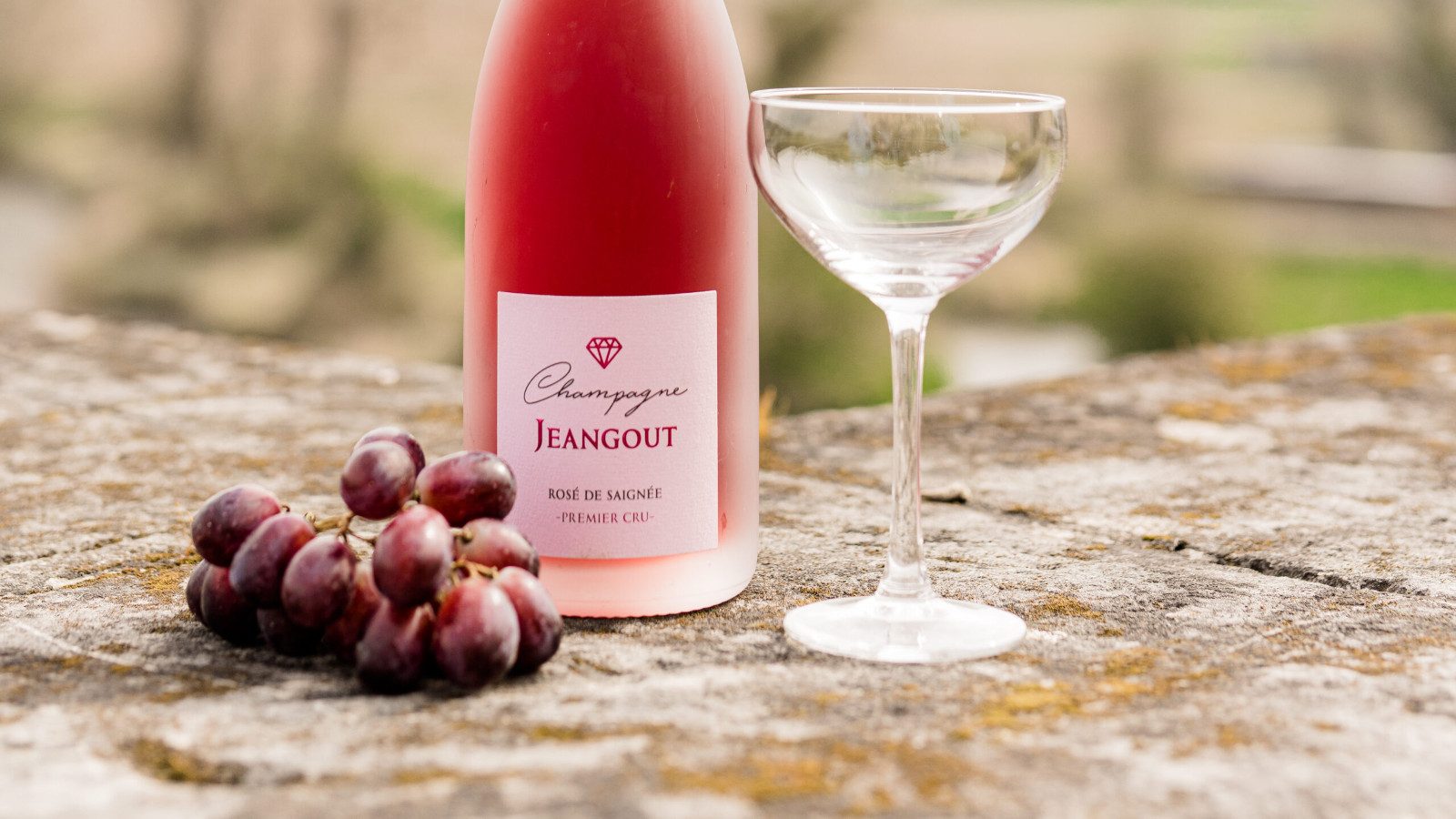
Most rosé Champagne gets its colour stirred in from a splash of still red wine. The rarer, harder version actually earns it the traditional way.
Ice Wine, Explained: Wine Made From Frozen Grapes
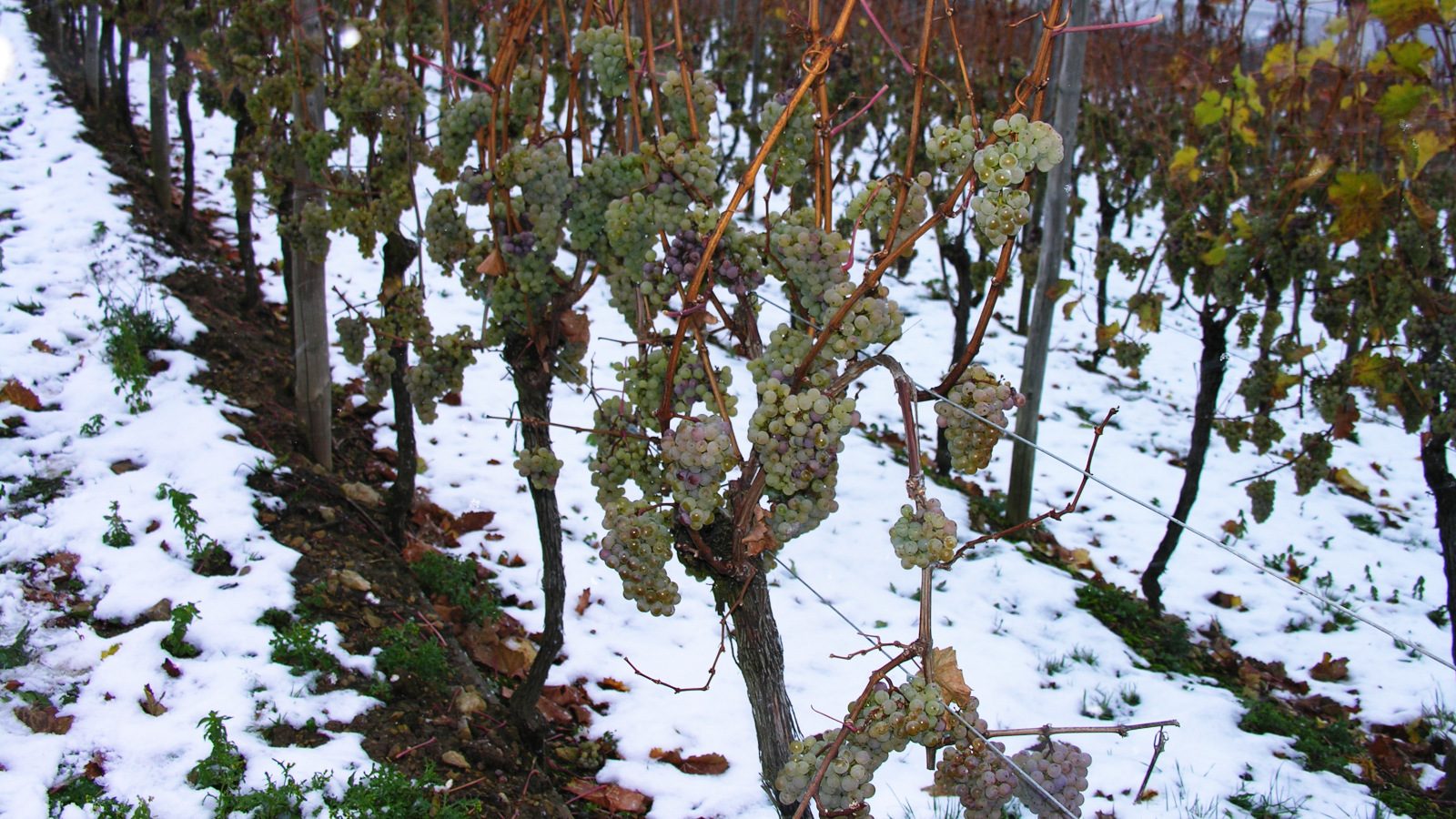
No fungus, no waiting for extra ripeness — just grapes left on the vine until winter freezes the water clean out of them.
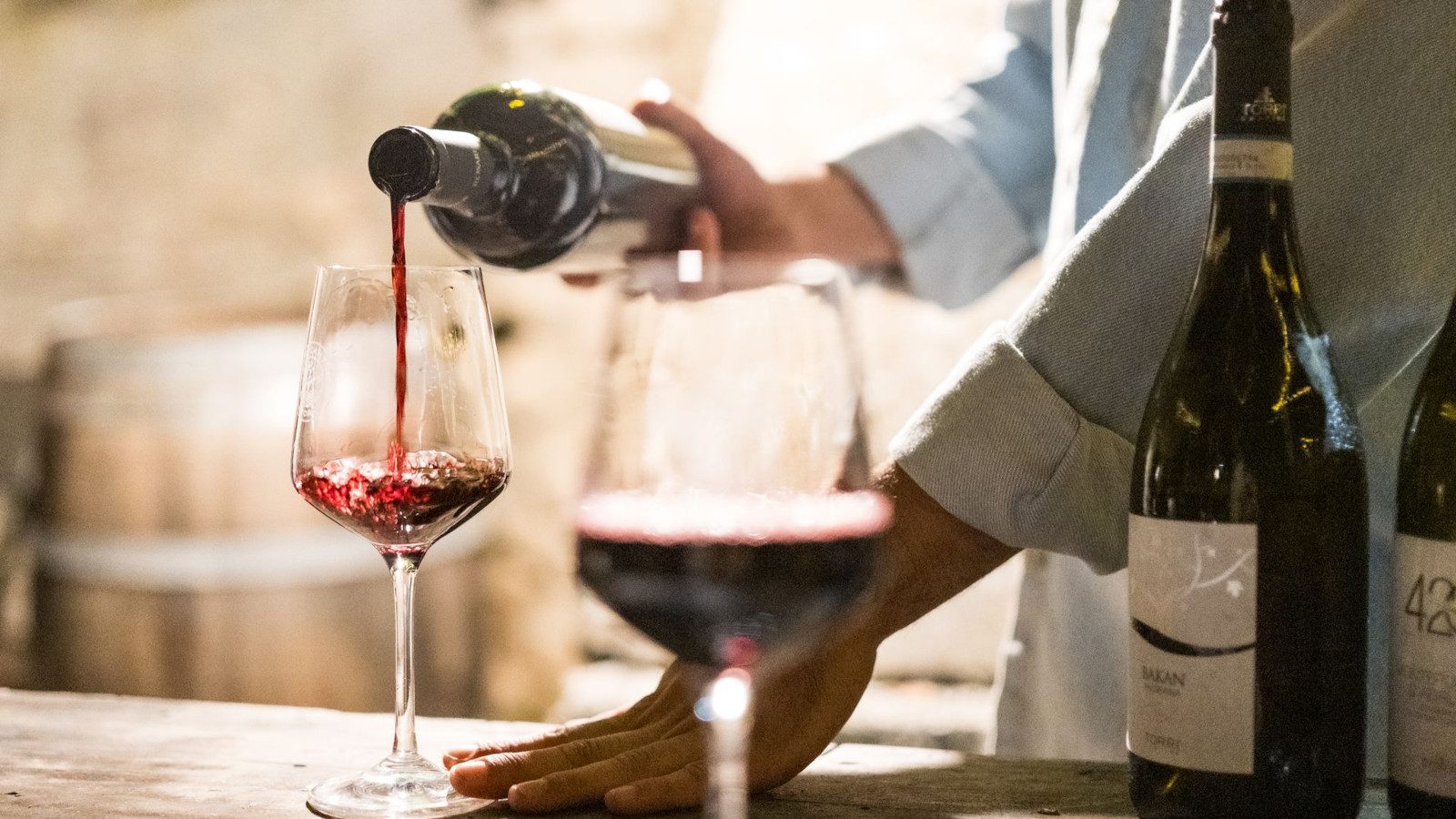
What's The Difference Between A Sommelier And A Wine Snob?
One passed a genuinely brutal blind-tasting exam. The other just talks like they have. Only one of them is actually trying to help you.
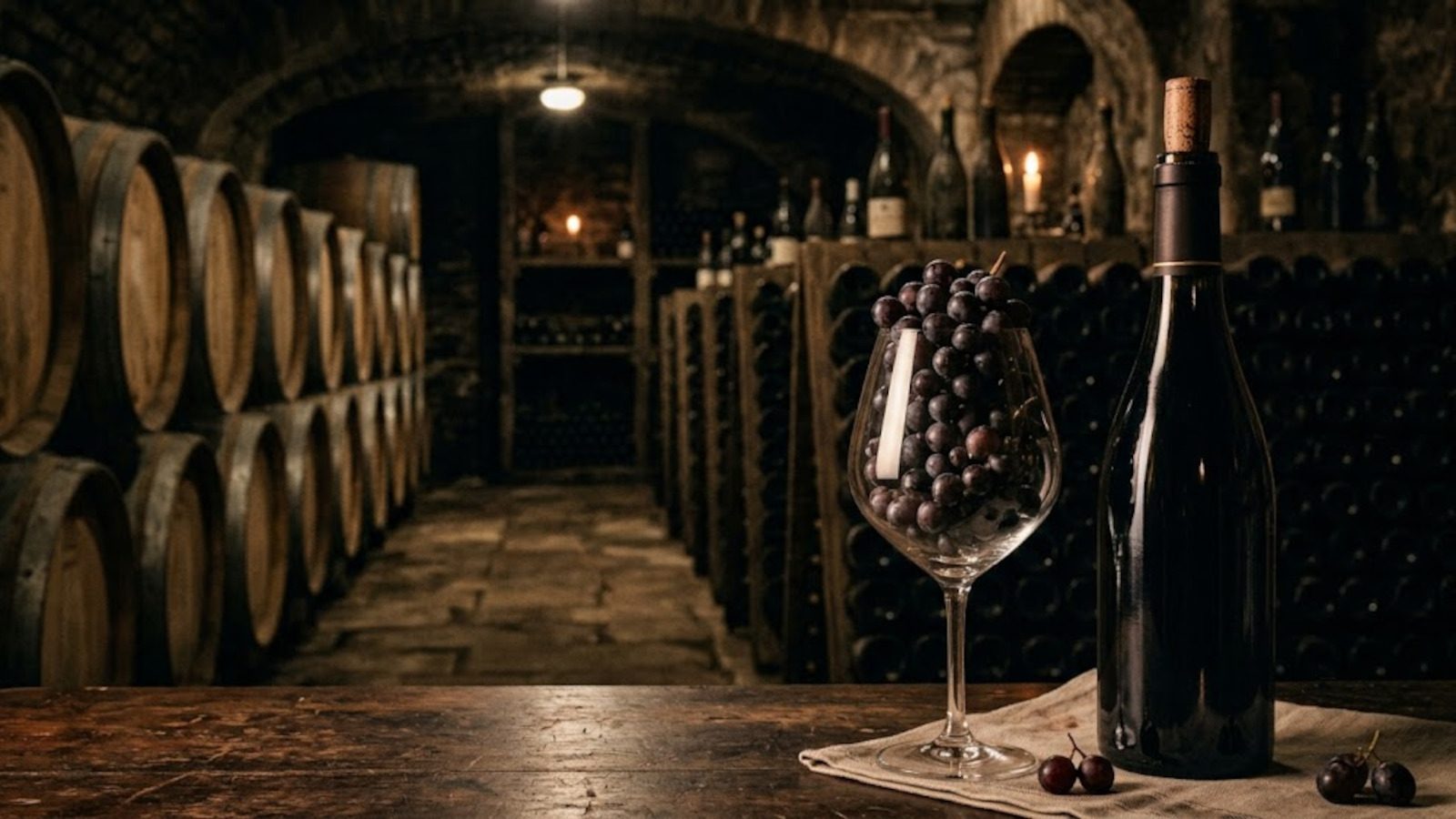
How Many Grapes Are Actually In A Bottle Of Wine?
Somewhere around 600 to 800 — and working out where that number actually comes from explains why yield restrictions exist at all.
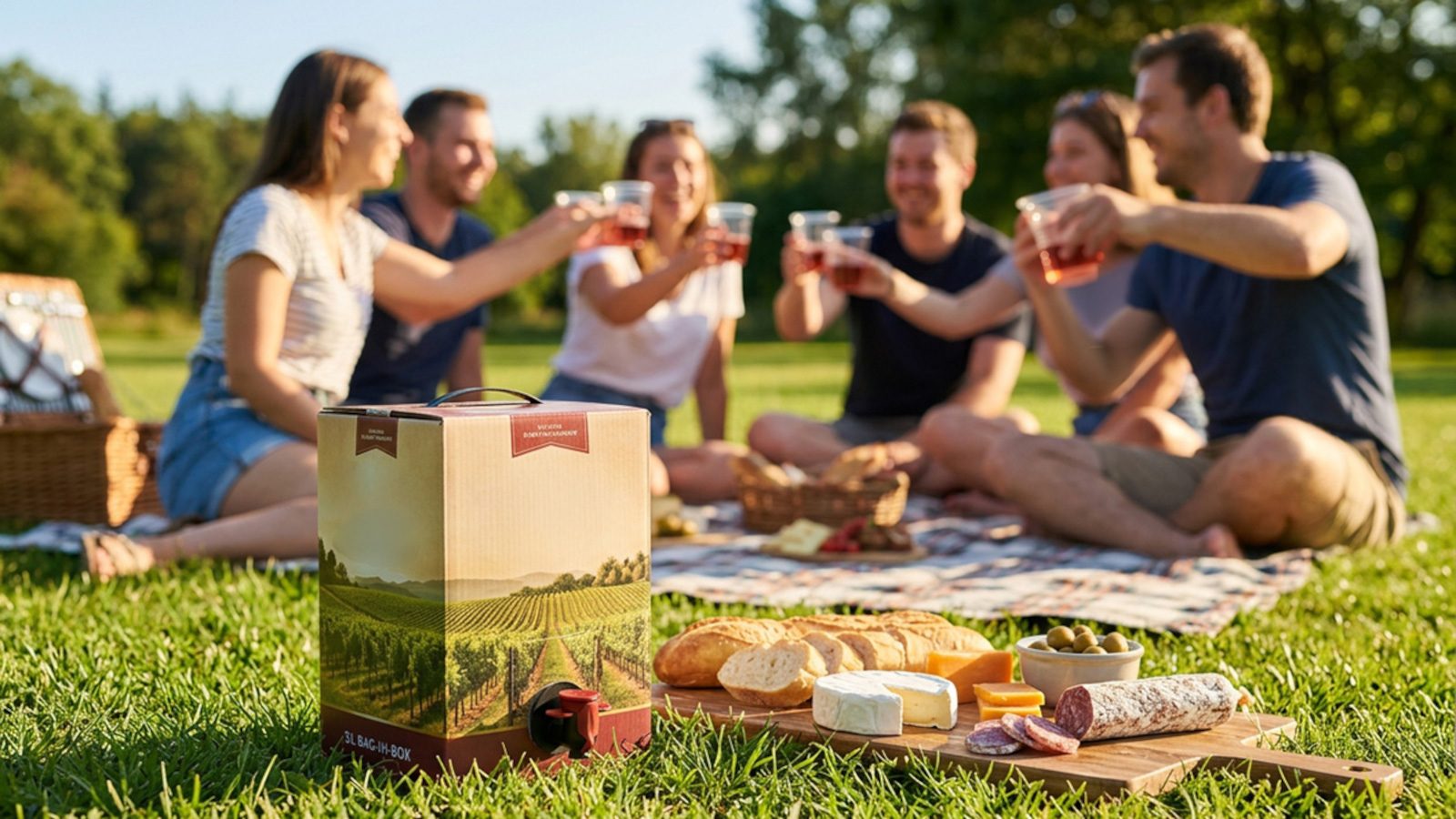
Box Wine Isn't What You Think It Is
The stigma is about the packaging looking cheap, not about what's actually inside it — and the packaging is genuinely cleverer than a bottle in one specific way.
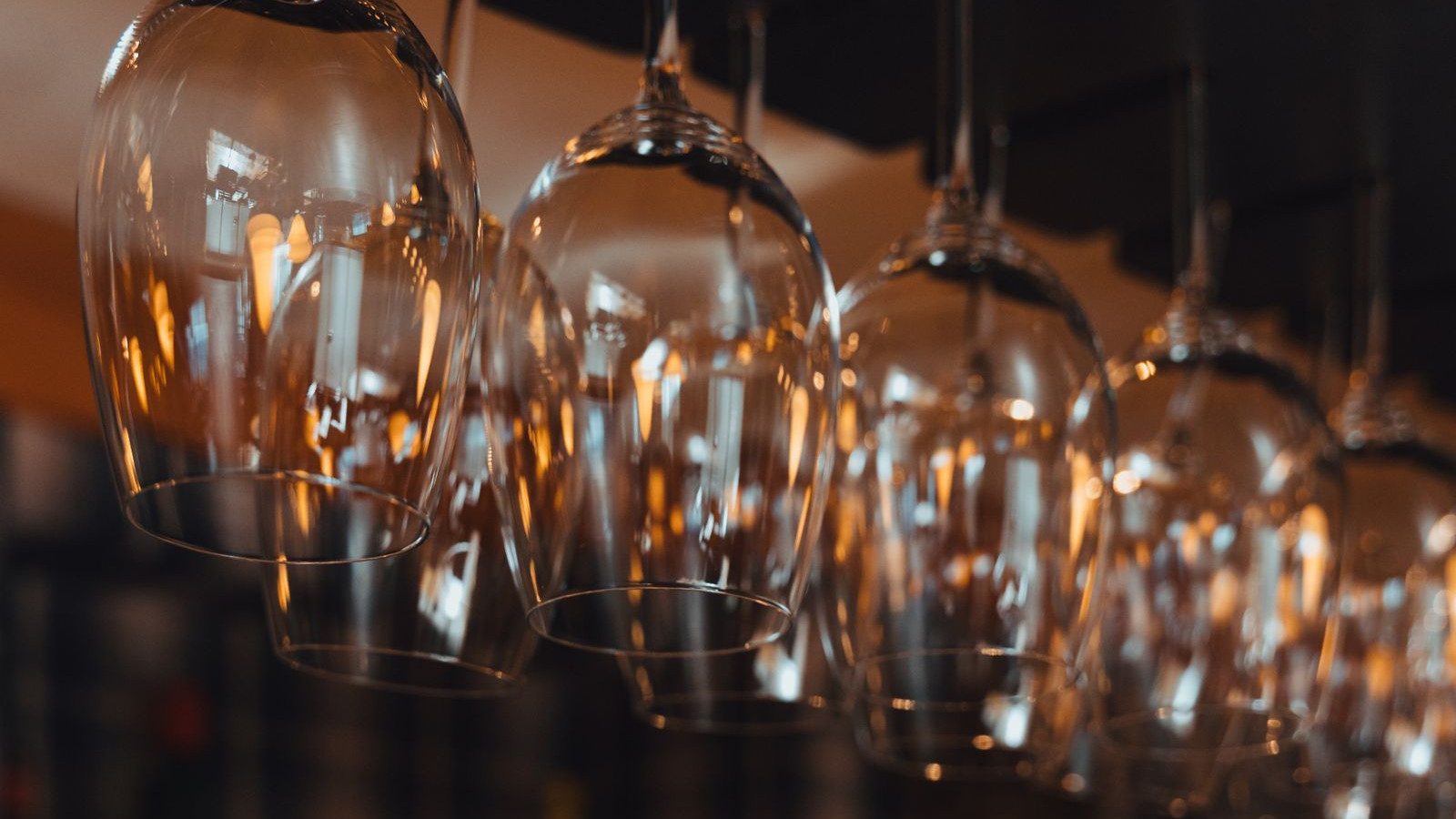
Does The Shape Of Your Wine Glass Actually Matter?
A little, physically, in ways you can reason about. A lot less than an eight-glass matched set would have you believe.
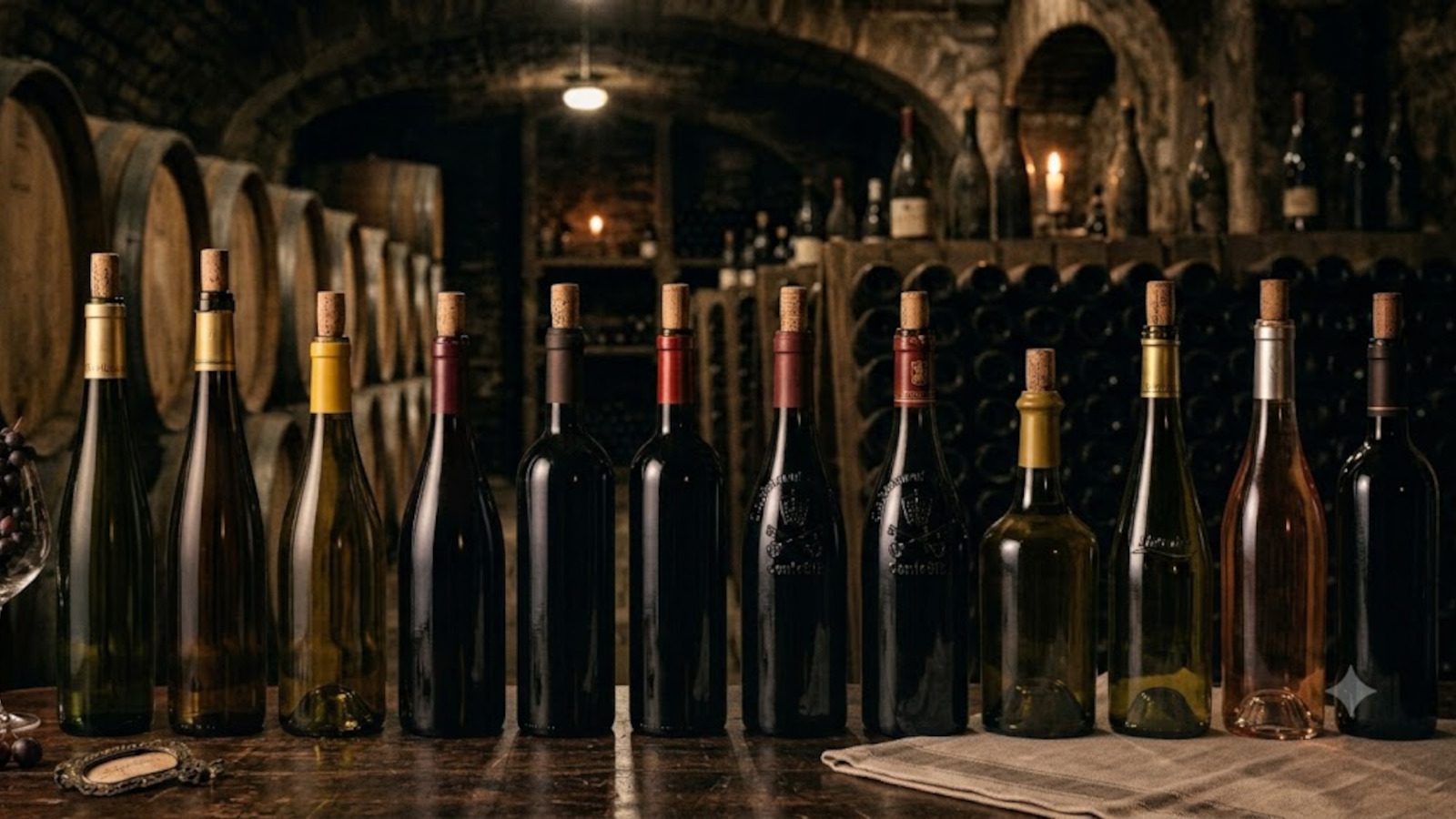
Why Are Wine Bottles 750ml?
Not a litre, not a pint, not a tidy fraction of anything obvious. Three competing explanations, and all three probably played a part.
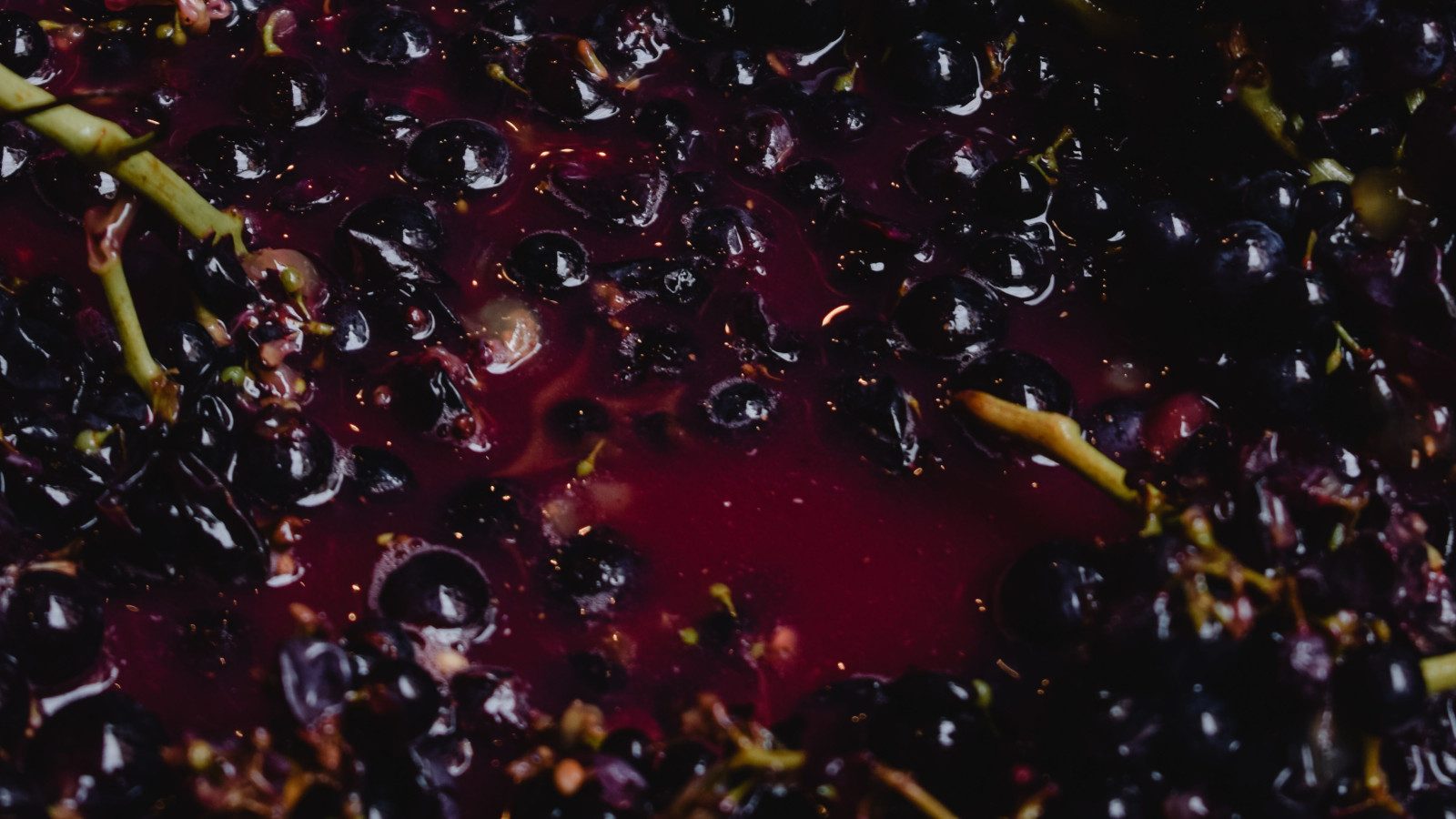
What Actually Happens During Fermentation?
Yeast eats sugar, produces alcohol and carbon dioxide as waste, and stops when one of the two runs out. That's the entire mechanism underneath everything else.
Why Does Wine Give You A Headache (But Beer Doesn't)?
The sulfites on the label are the wrong thing to be angry at. The real suspects are harder to spot and nowhere near as settled.
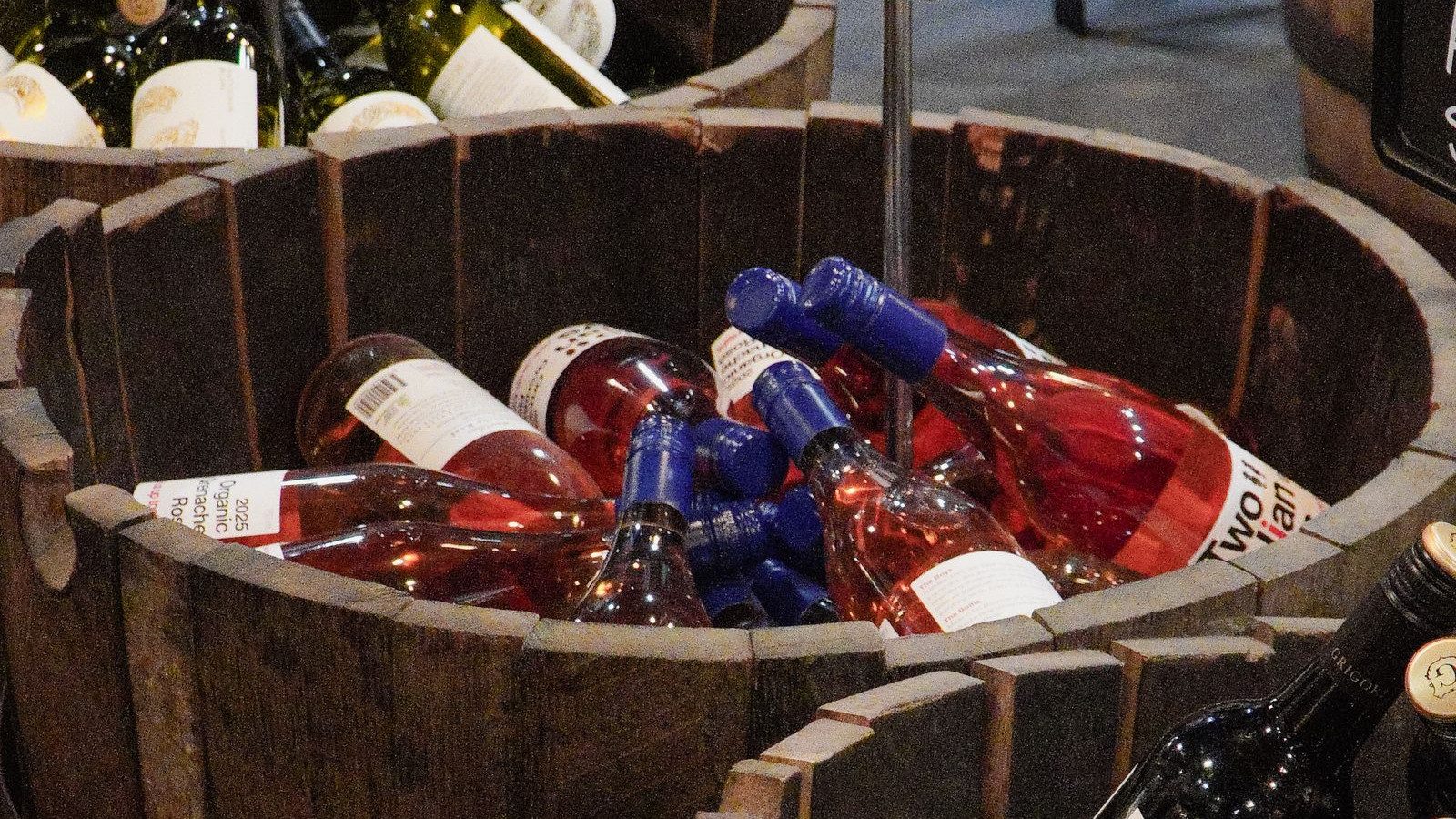
How Is Rosé Actually Made?
Not red and white blended together — that's banned almost everywhere it matters. The real methods say a lot more about the wine in the glass.
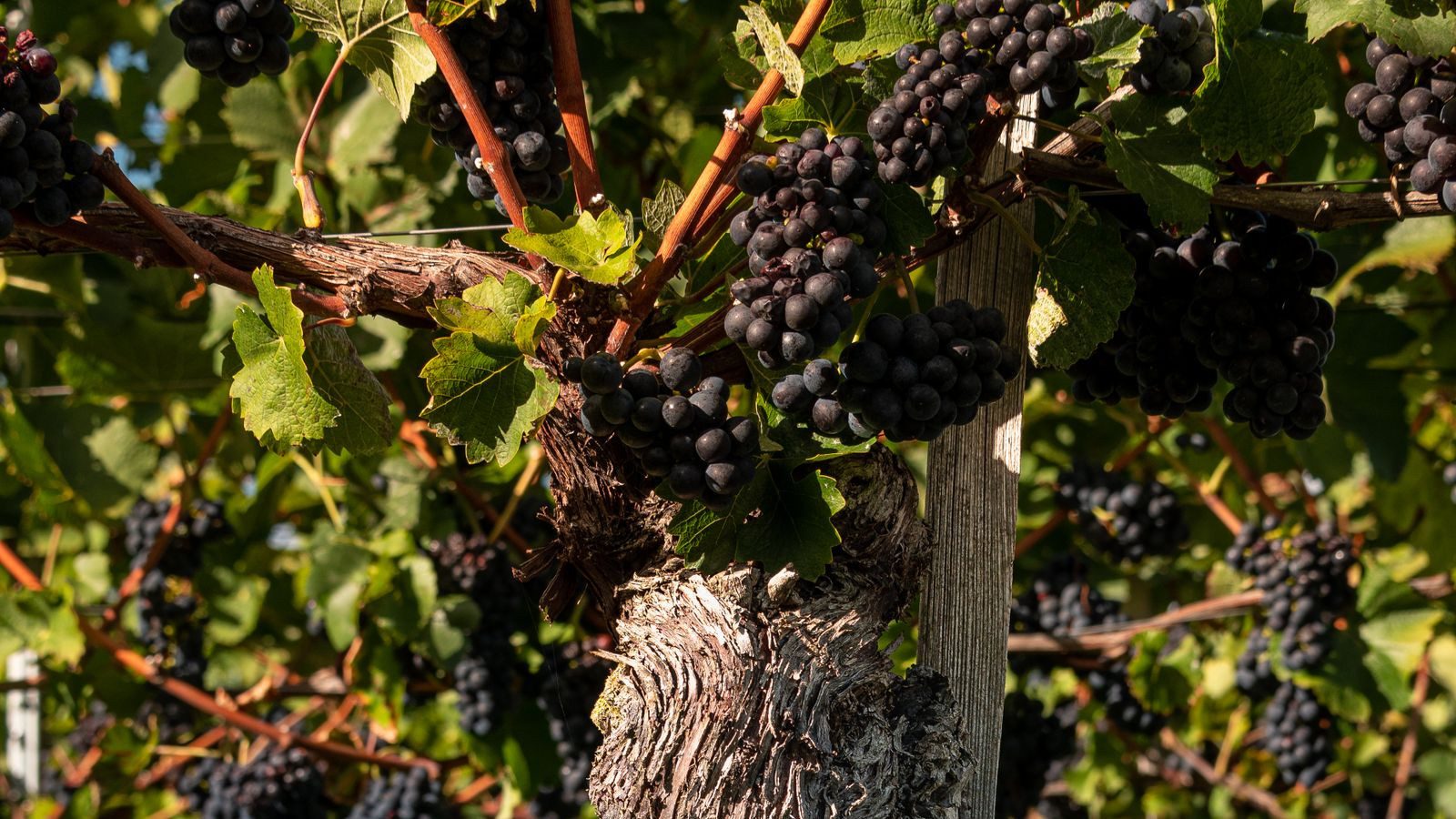
What's The Difference Between Organic, Biodynamic And Natural Wine?
One is a real legal certification, one bolts a cosmic farming philosophy onto that certification, and one is, technically, an unregulated promise.
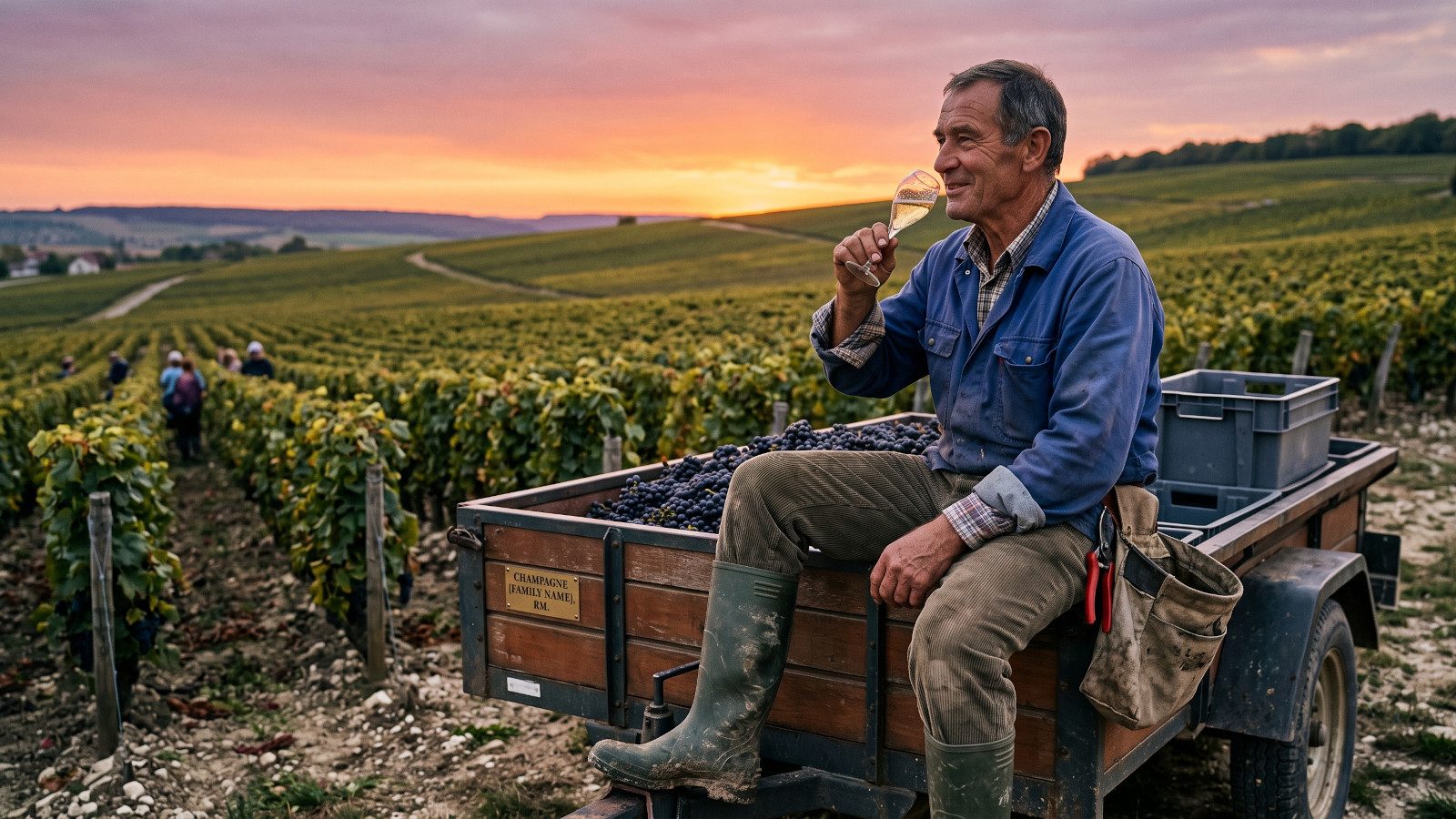
What Are Grower Champagnes?
The two-letter code buried in a Champagne label's small print tells you more than almost anything else on the bottle.
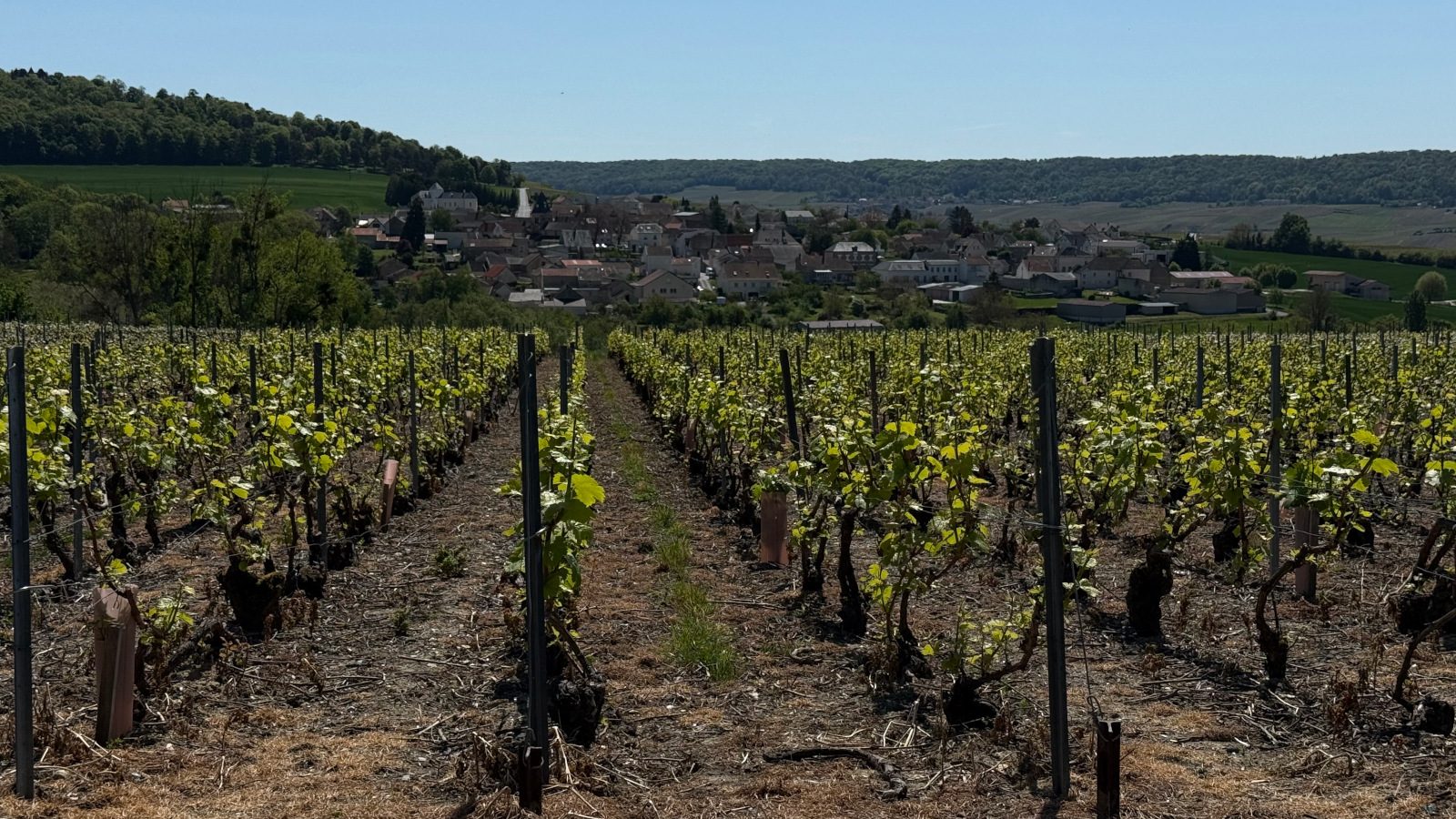
Everything You Need To Know About Champagne
Vintage versus non-vintage, the sweetness scale nobody explains, and what you are actually paying for at the top end.
Why Do Chardonnay Taste Buttery and Creamy?
The grape does not grow tasting like popcorn. A specific cellar process, entirely separate from oak, is responsible.
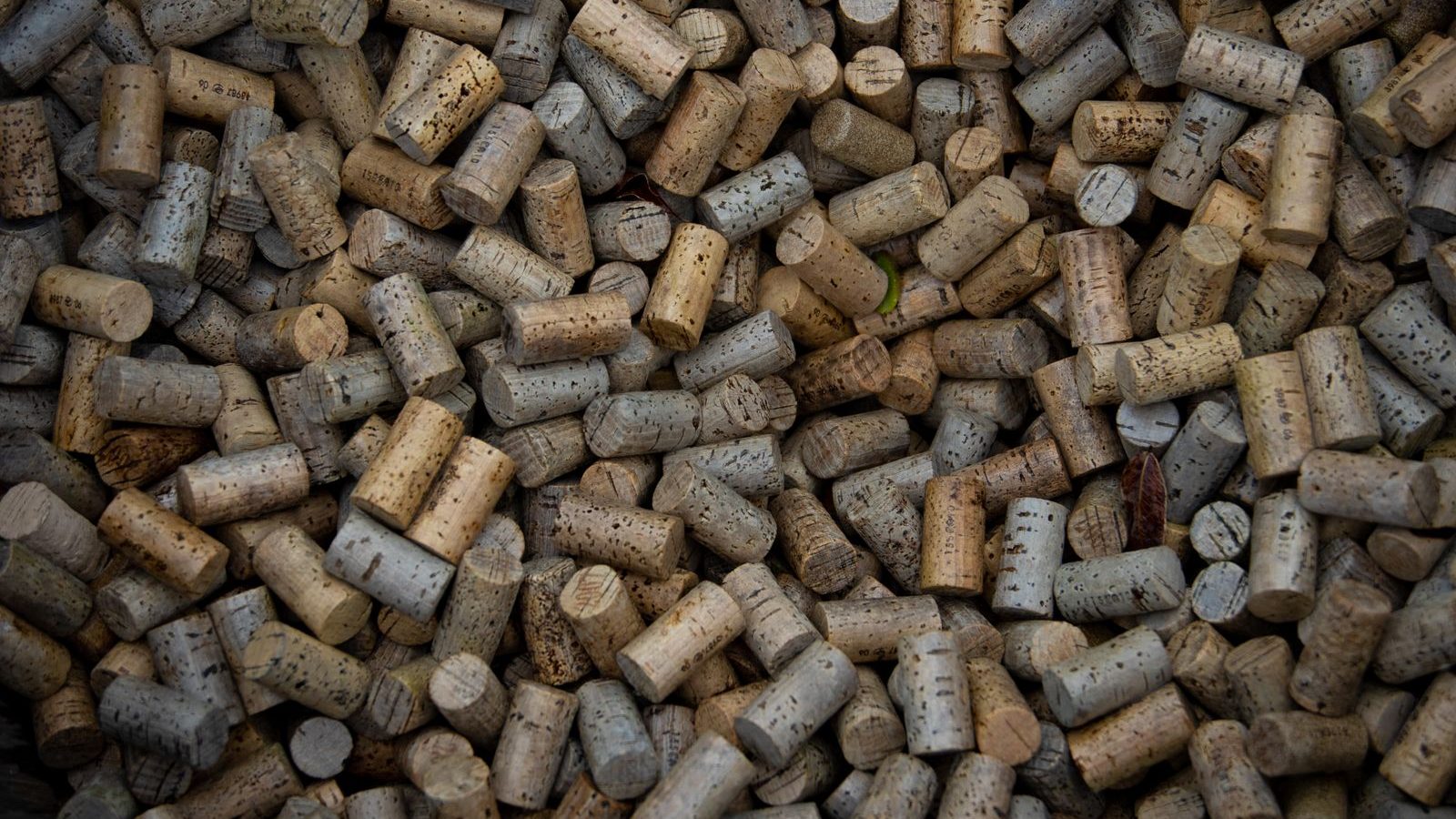
What Is Corked Wine, And How To Notice It
It is not bits of cork in your glass. It is a contamination compound most people have tasted without realising it.
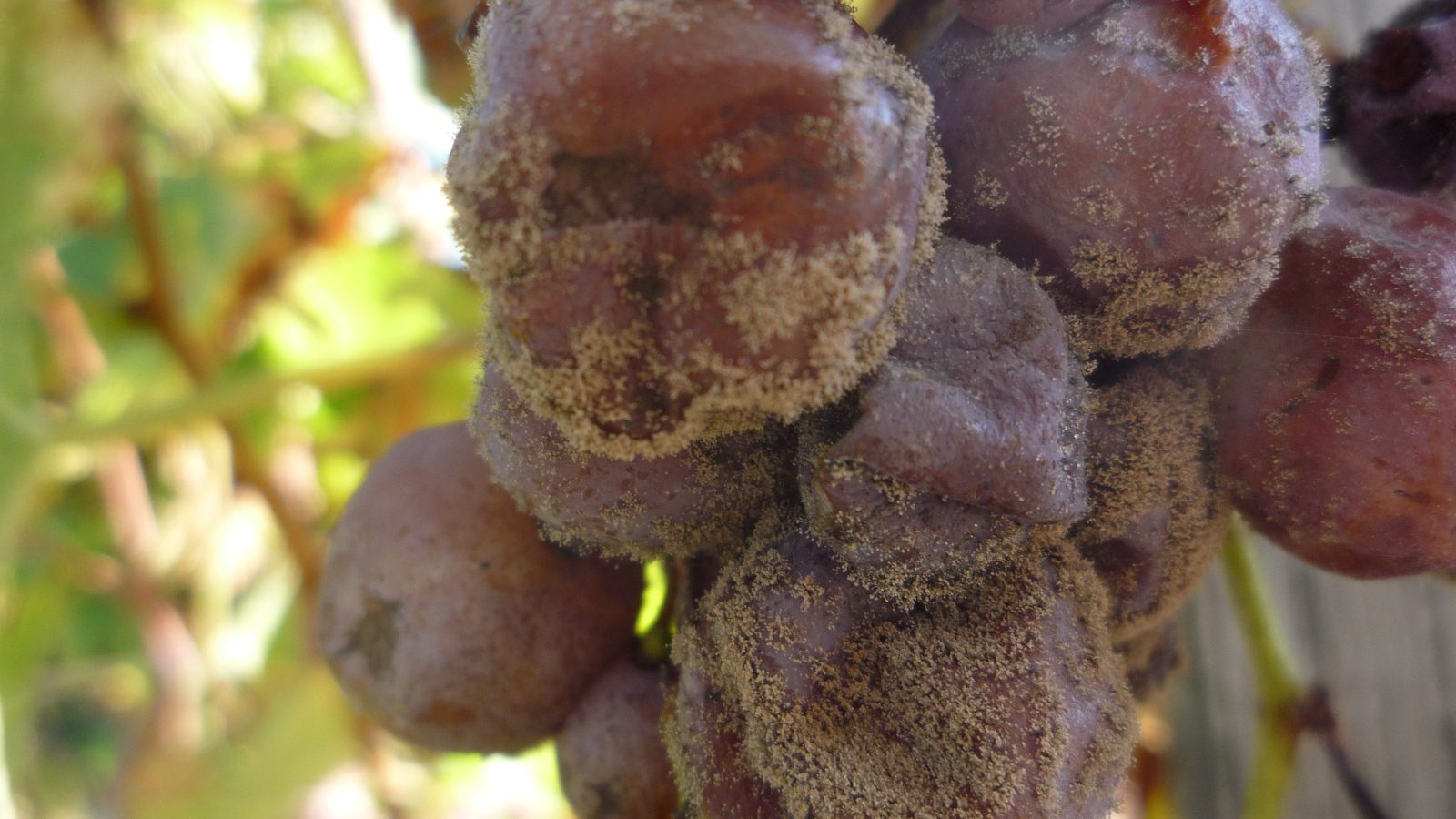
Why Would You Make Wine From Rotten Grapes?
A fungus that ruins grapes in the wrong conditions concentrates them into something extraordinary in exactly the right ones.
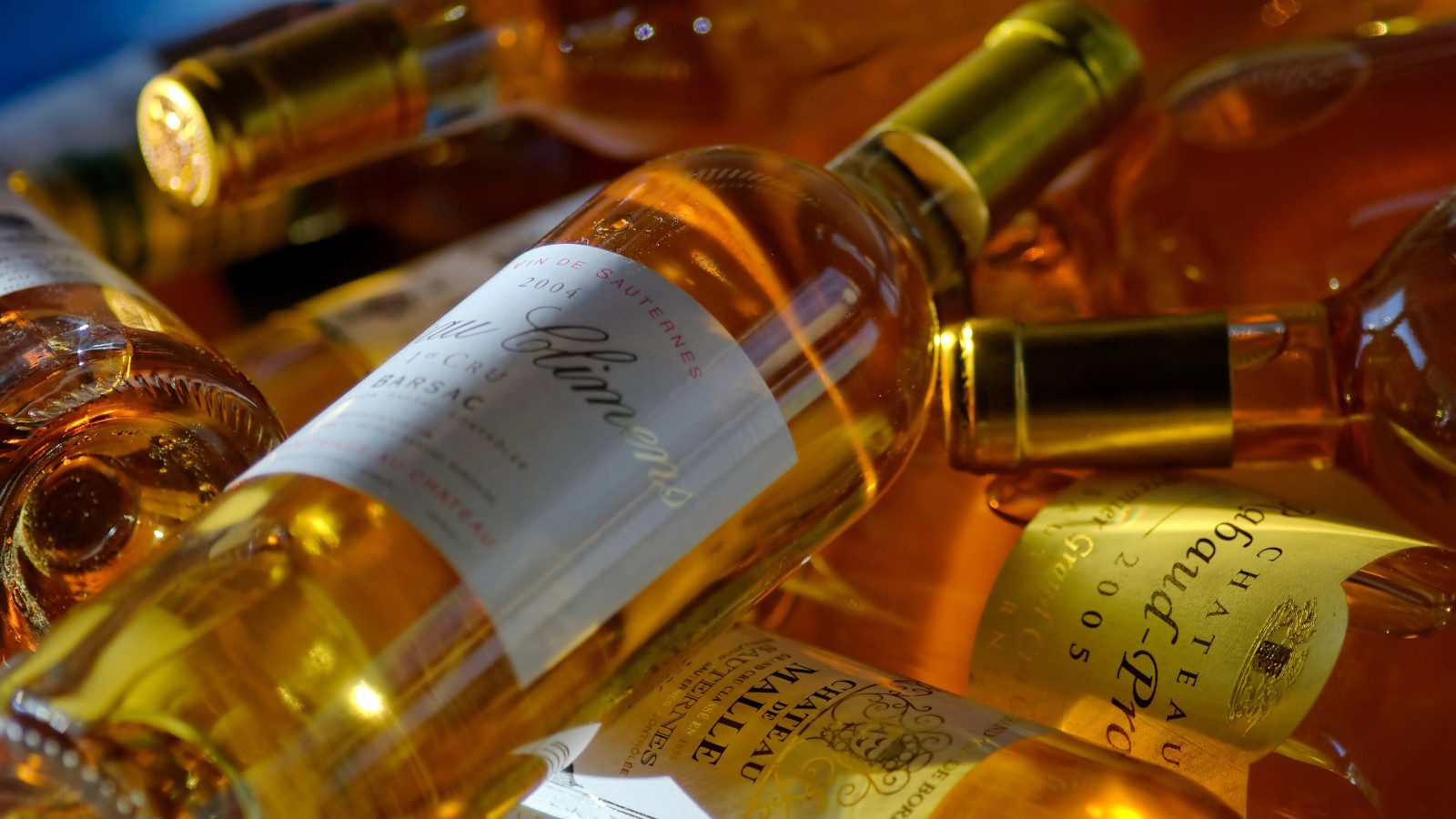
What Are Dessert Wines?
Noble rot, frozen grapes, added spirit — sweetness that survives fermentation always takes a deliberate trick to get there.
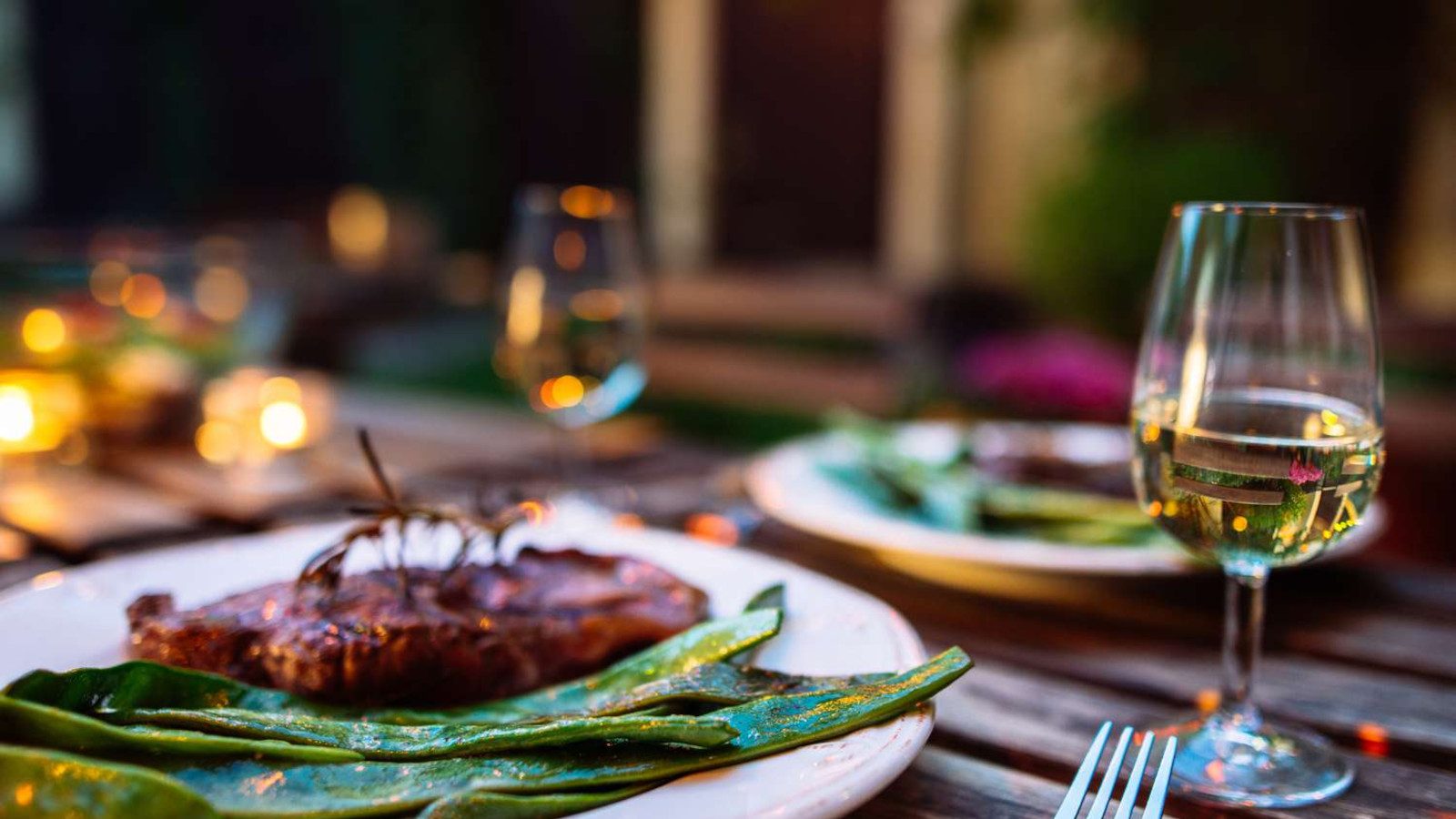
Why Can't You Serve White Wine With Meat?
You can, often better than red — it was always about weight, not the colour of the meat on the plate.
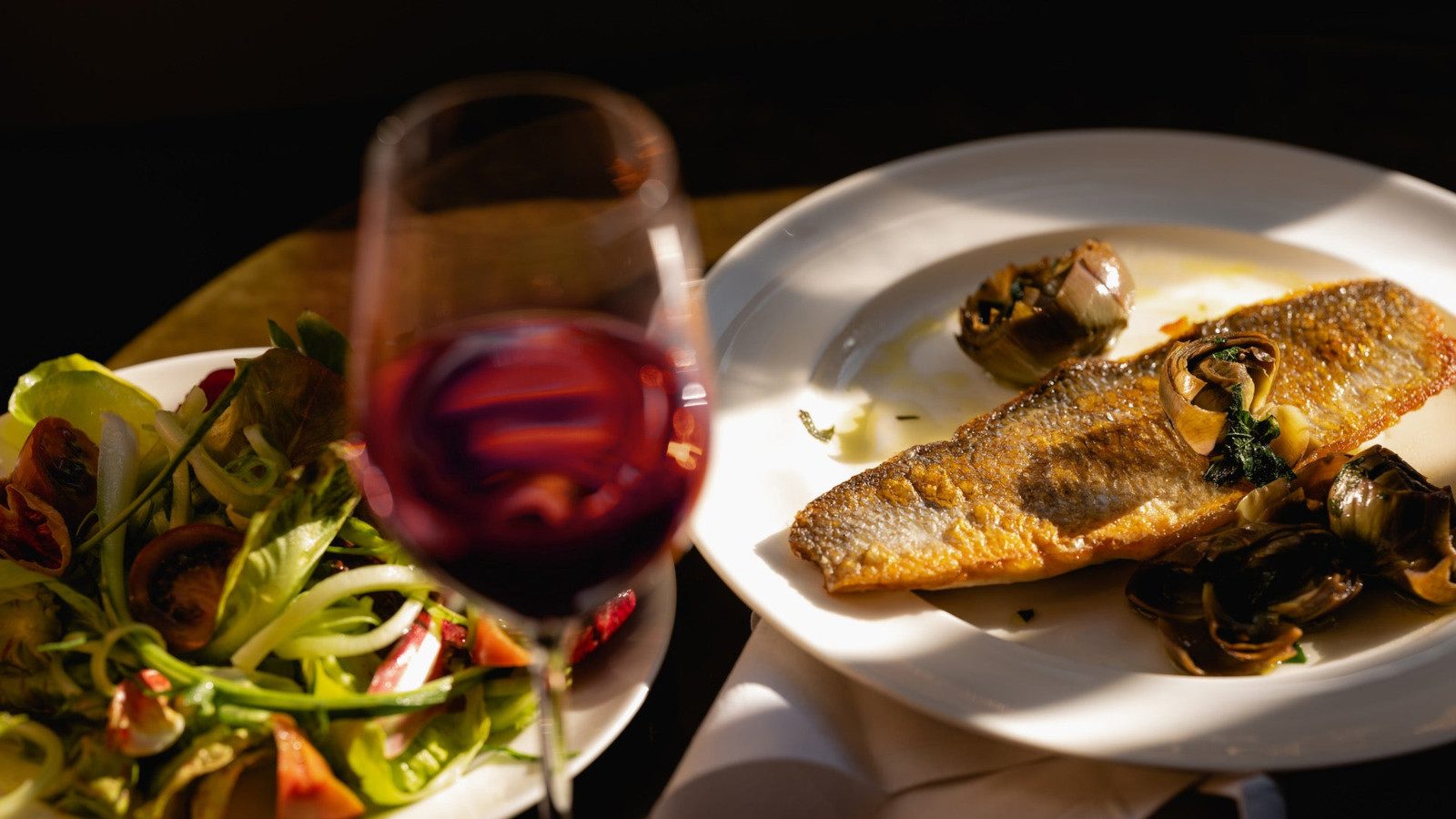
Why Can't You Serve Red Wine With Fish?
You can — the real rule is much narrower than the one everyone repeats, and it has nothing to do with colour.
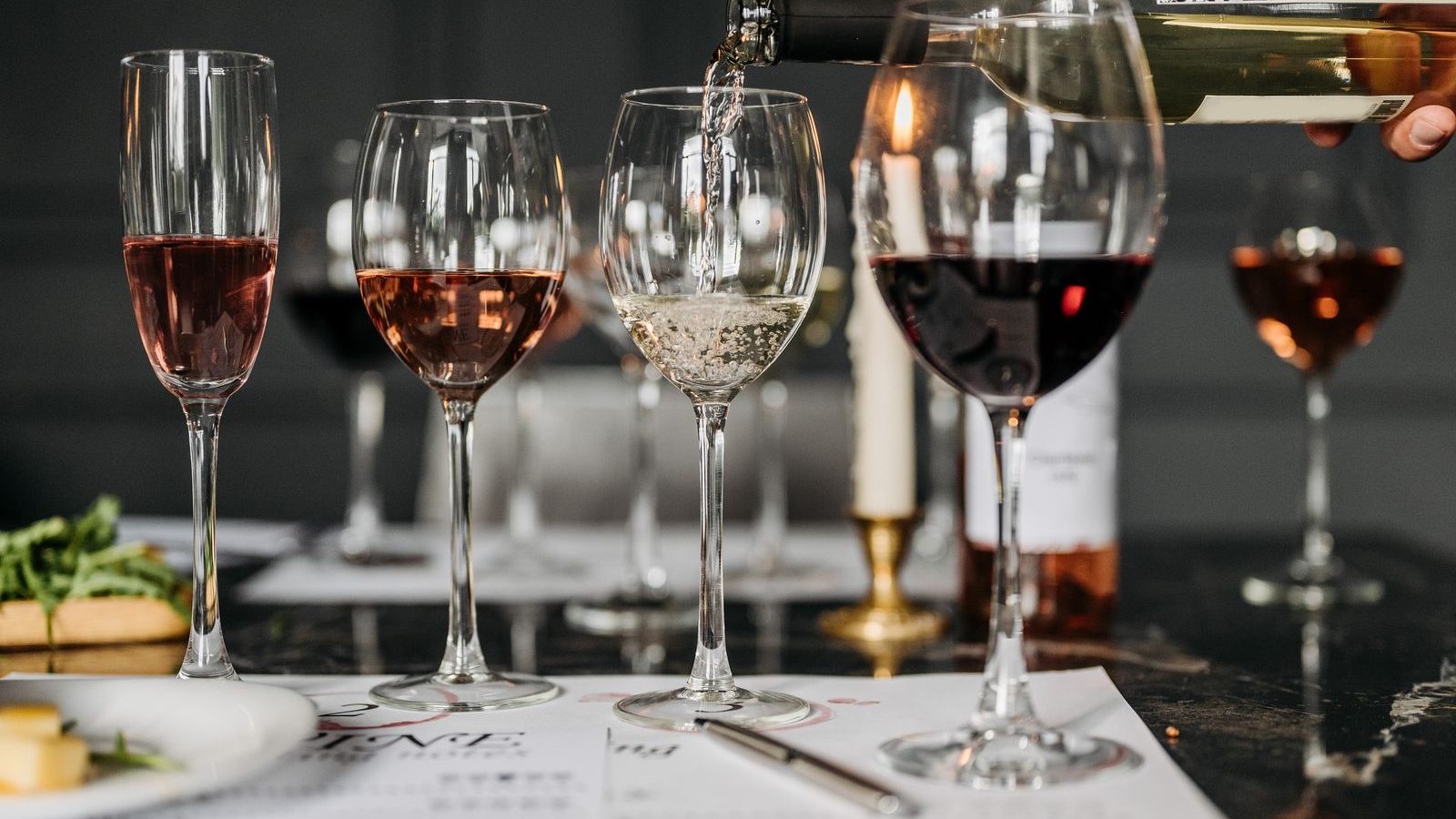
How To Train Your Palate
Nobody is born able to pick a grape out of a blind glass. It is repetition and comparison, built the same way for everyone.
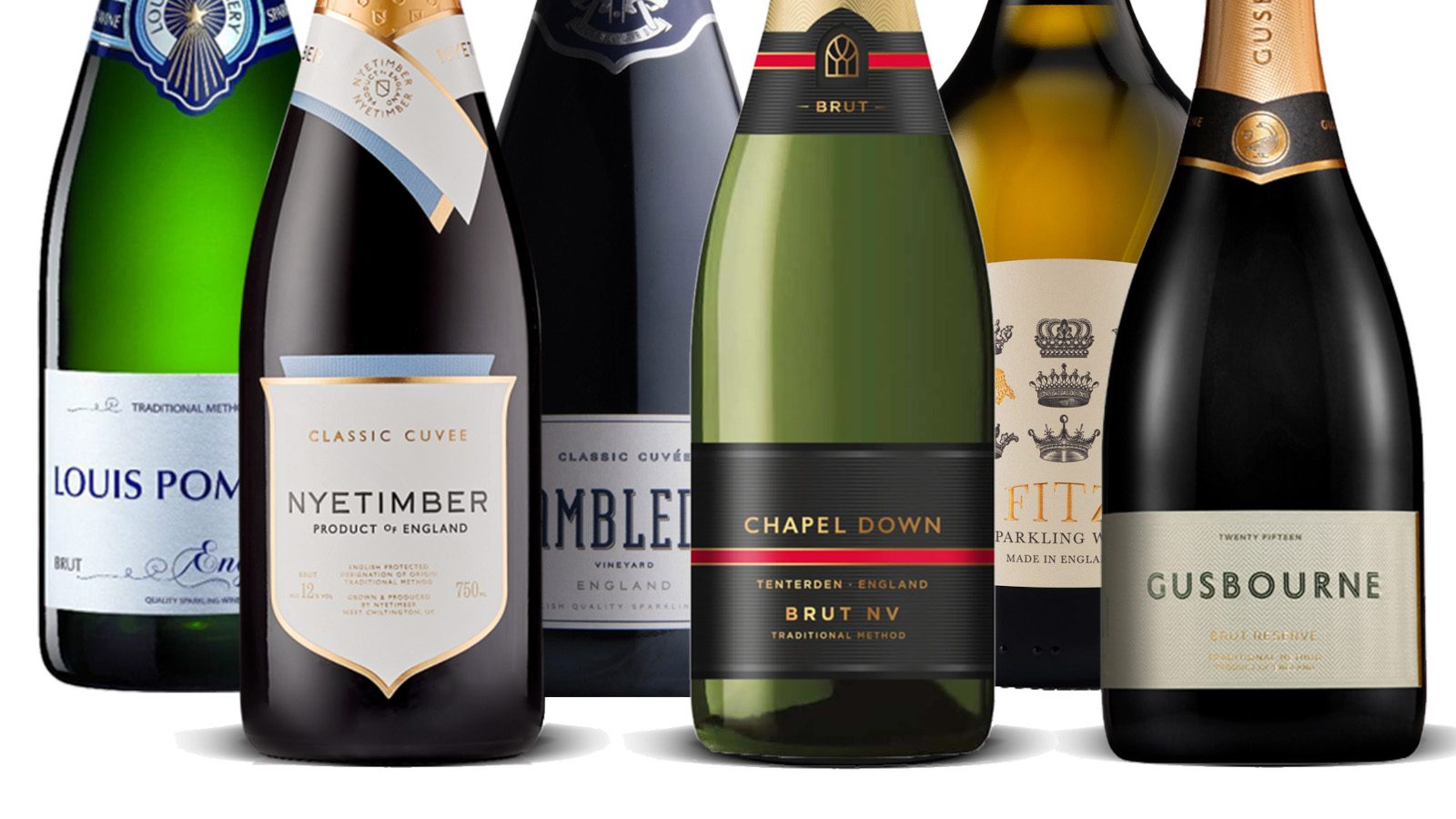
Better than Champagne? A Guide To English Sparkling Wines
Same chalk, same grapes, same method as Champagne — just a few hundred miles north, and only ripening properly since the climate warmed up.
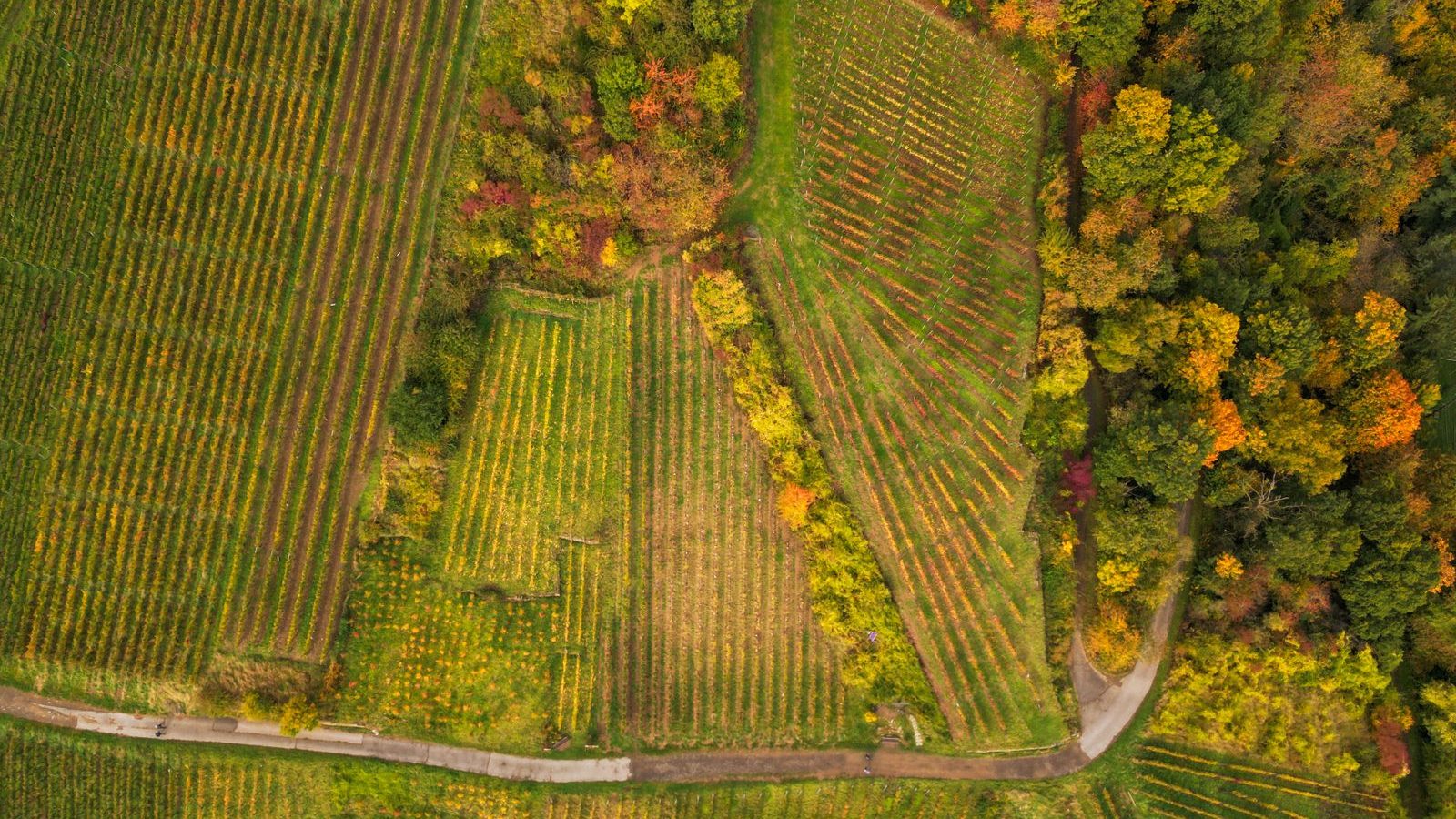
How Climate Affects Wine
Same grape, same winemaker, wildly different wine — just move the vineyard a few thousand miles and change the weather.
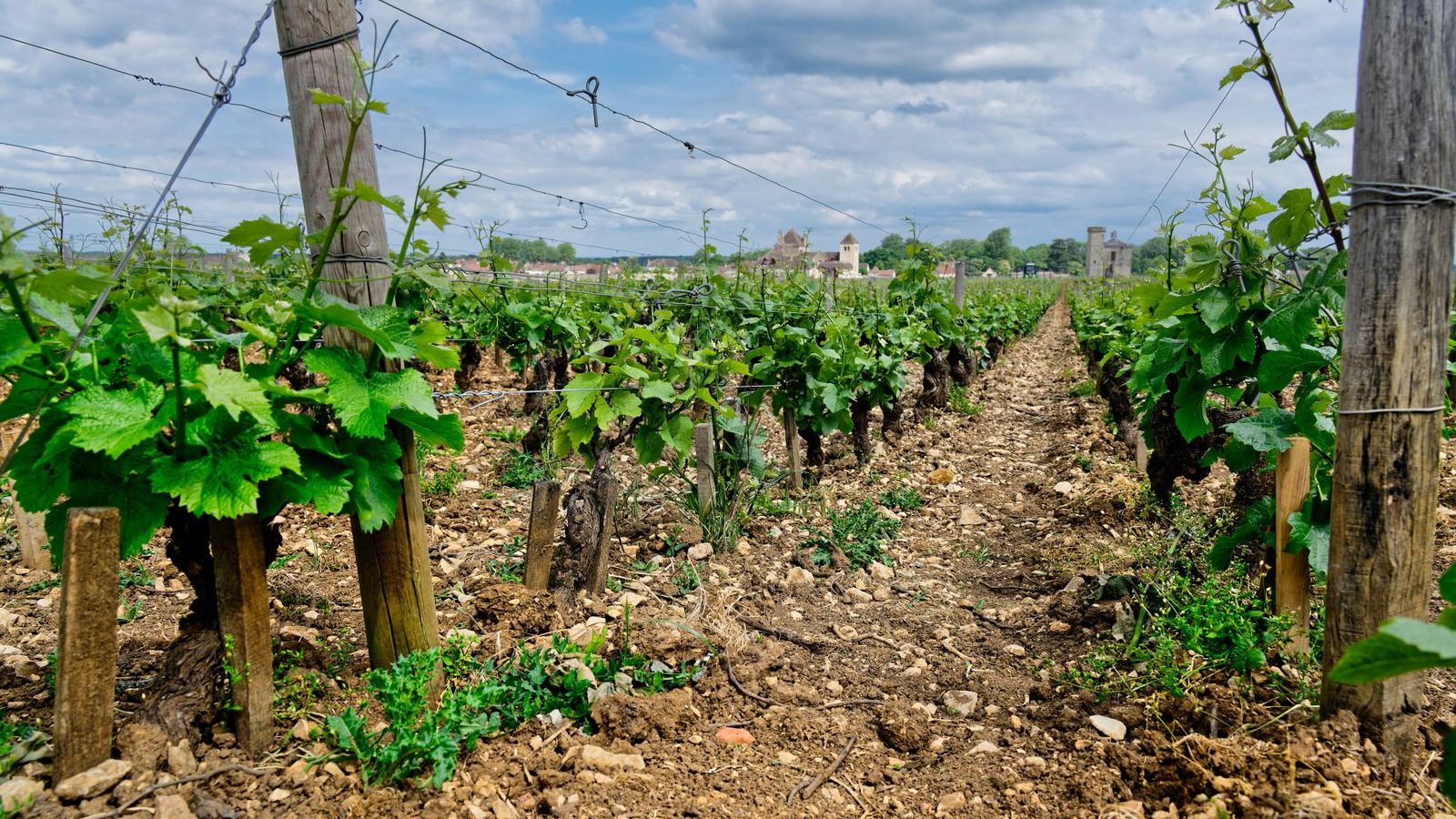
What Is Terroir?
A word that sounds too elegant to argue with, attached to one of the most genuinely contested ideas in wine.
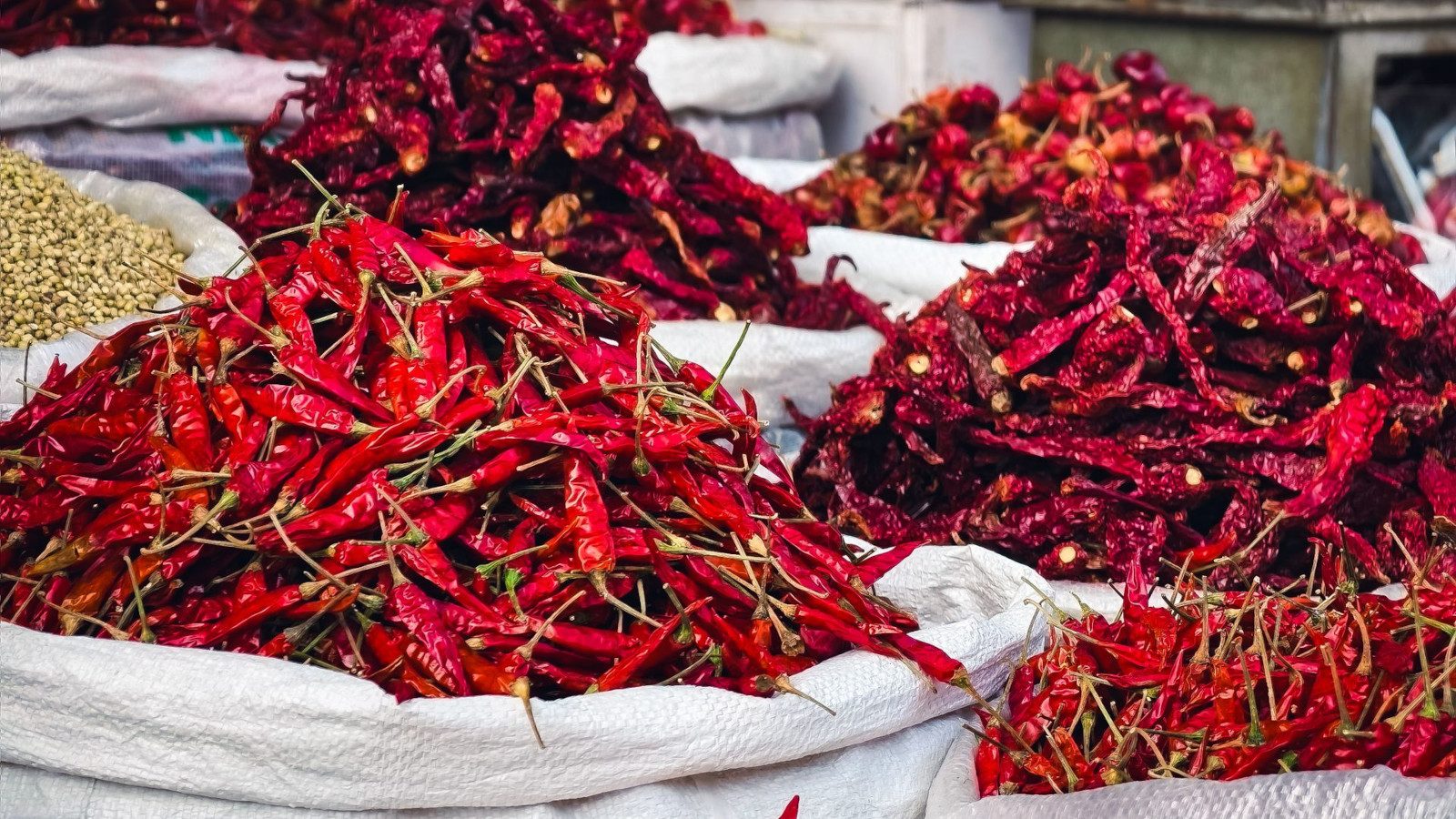
Can You Drink Wine With Spicy Food?
Yes — just not with the big oaky red that convinced everyone otherwise. Here is what actually works, and why.
How To Order Wine At A Restaurant
The list is built to overwhelm you into pointing at something familiar. Here is how to read it properly instead.
How To Seem Confident At The Wine Shop
Skip the medal stickers and the memorised vintage charts — here is what actually works standing in front of the shelf.
Wine Pairing Made Simple
Forget red with meat, white with fish. Weight, acidity, tannin and sweetness do all the actual work.
How To Store And Age Wine
No cellar required. Just somewhere dark, stable, and left alone — and an understanding of what actually ruins a bottle.
Are Expensive Wines Always Better?
Past a certain price, you are mostly paying for land, scarcity and a story — not a proportionally better glass of wine.
How To Taste Wine
Look, swirl, smell, sip, savour — what each step is actually for, and why most of what you call taste is really smell.
Georgia: The Cradle of Wine
Eight thousand years, buried clay vessels, and five hundred native grapes most of the wine world has never heard of.
Are Older Wines Always Better?
A vintage on the label is not an achievement by itself. For most wine ever made, ageing it is just a slow way to ruin it.
Spit Or Swallow
When wine tasting, that is. Why professionals do it, when you should consider it, and why you almost certainly should not tonight.
Is Orange Wine Just A Hipster Trend?
Orange wine is not a trend that started in a natural wine bar. It started in Georgia, roughly eight thousand years earlier.
Summertime: Everything About Wine Spritzers, Sangria And Tinto De Verano
It is too hot for a full glass of red. Cut it with soda, fruit, or lemonade instead — the way most of southern Europe has for two centuries.
Champagne, Prosecco, Cava And Other Sparkling Wines
You would not call all red wine Burgundy. Stop calling all sparkling wine Champagne — six styles, one gas, six genuinely different drinks.
Find Out What You Like With A Simple Wine Tasting
No spittoons, no tasting notes, no exam. Just six glasses lined up in the right order and a decade of assumptions about what you like, corrected in one evening.
Appellations and Wine Regions Explained
A name on a wine label is a legal claim, not a marketing flourish. Here is what it actually promises, from 1907 French riots to the loophole that created Super Tuscans.
How To Read A Wine Label
Old World bottles look like they are hiding something. They are — it is just hidden in the label, in plain sight, in French.
Tannins, explained without the jargon
It's the word every wine list throws at you. Here's what it actually means, and why it matters for what you order next.