
What Is Corked Wine, And How To Notice It
It is not bits of cork in your glass. It is a contamination compound most people have tasted without realising it.
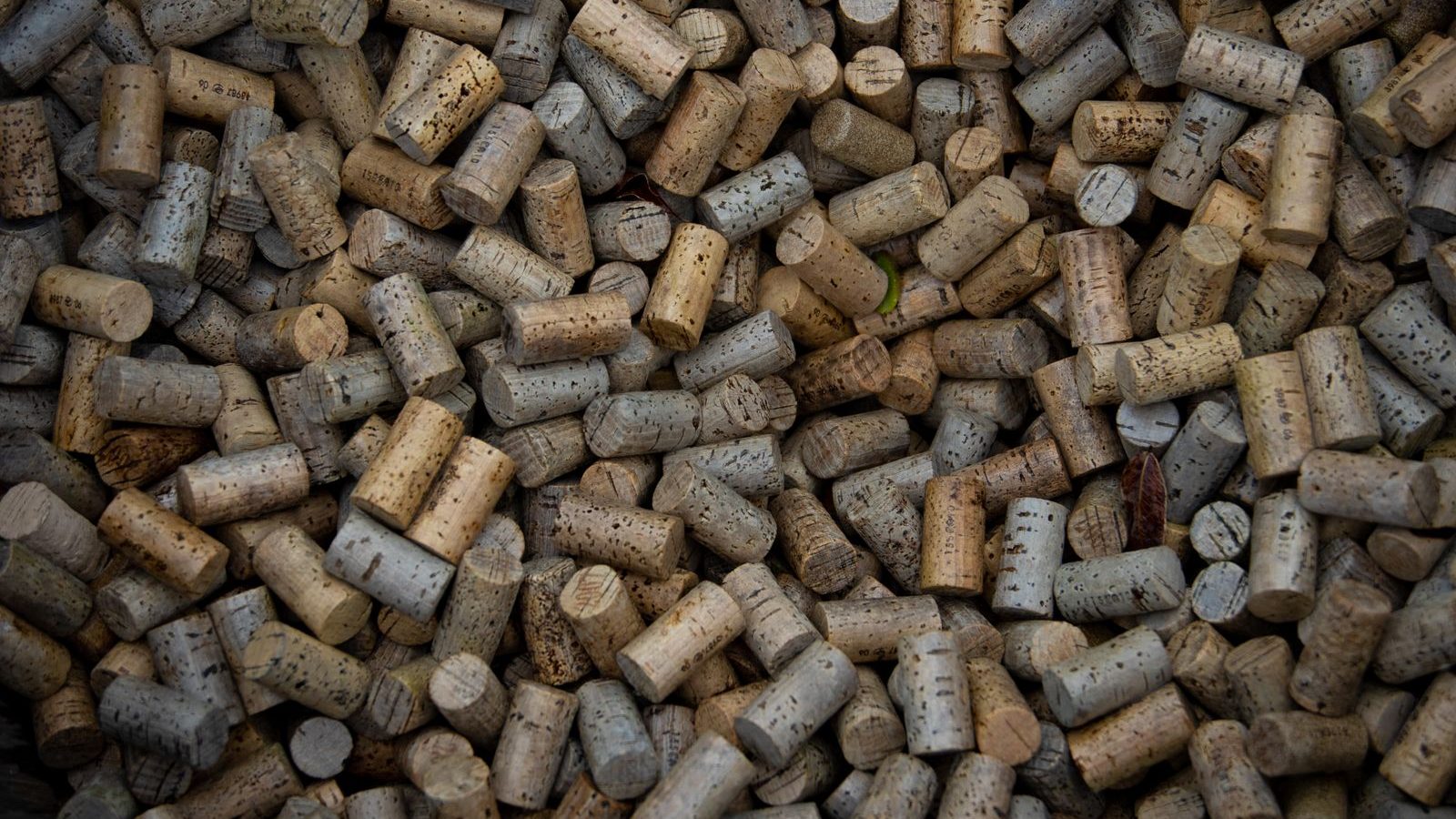
Most people, asked what "corked" means, picture bits of cork floating in the glass. That's not it at all, and it's not even close — you can have a bottle with a perfectly intact cork and zero crumbs in the glass that's still thoroughly, unmistakably corked.
What's actually gone wrong
The culprit is a compound called TCA (2,4,6-trichloroanisole), which can form in natural cork through a reaction between fungus, chlorine-based compounds, and the tree bark itself, sometimes originating years earlier during the cork's own production. It doesn't take much — TCA is detectable by most people at concentrations of a few parts per trillion, meaning a genuinely tiny contamination is enough to affect an entire bottle.
What it actually smells like
Not vinegar, not "off" in the way milk goes off. Wet cardboard, a damp basement, a musty newspaper left in the rain — and often, more subtly, just a wine that tastes duller and flatter than it should, with its fruit muted rather than dramatically ruined. That subtlety is exactly why it goes unnoticed so often: a mildly corked bottle doesn't announce itself, it just quietly underperforms, and plenty of people finish the glass assuming that's just what the wine tastes like.
How common it actually is
Estimates vary depending on who's counting and which corks, but figures as high as roughly one bottle in twenty affected to some degree under natural cork have been cited by the industry over the years — common enough that most regular wine drinkers have had a corked bottle without realising it. That frequency is a big part of why screwcaps caught on so widely, particularly in the New World: no cork, no TCA risk from this specific source.
What to actually do about it
If a wine smells musty and dull in a way that doesn't match the style on the label, and especially if a second glass from the same bottle tastes the same way, it's reasonable to suspect it's corked and say so — in a restaurant, a competent server will usually recognise it as fast as you do and swap the bottle without argument. It's not a complaint about taste preference; it's flagging a genuine fault, the wine equivalent of sending back milk that's gone off.