
Blanc De Noirs: Not Just For Champagne
Orange wine treats a white grape like a red. This is the exact opposite trick — a black grape, pressed fast enough to make a white.
Orange wine takes a white grape and treats it like a red — skins left in contact with the juice for colour, tannin, and texture nobody expects from a white. Blanc de Noirs does the exact opposite trick: take a black grape, and treat it like a white.
Why this is even possible
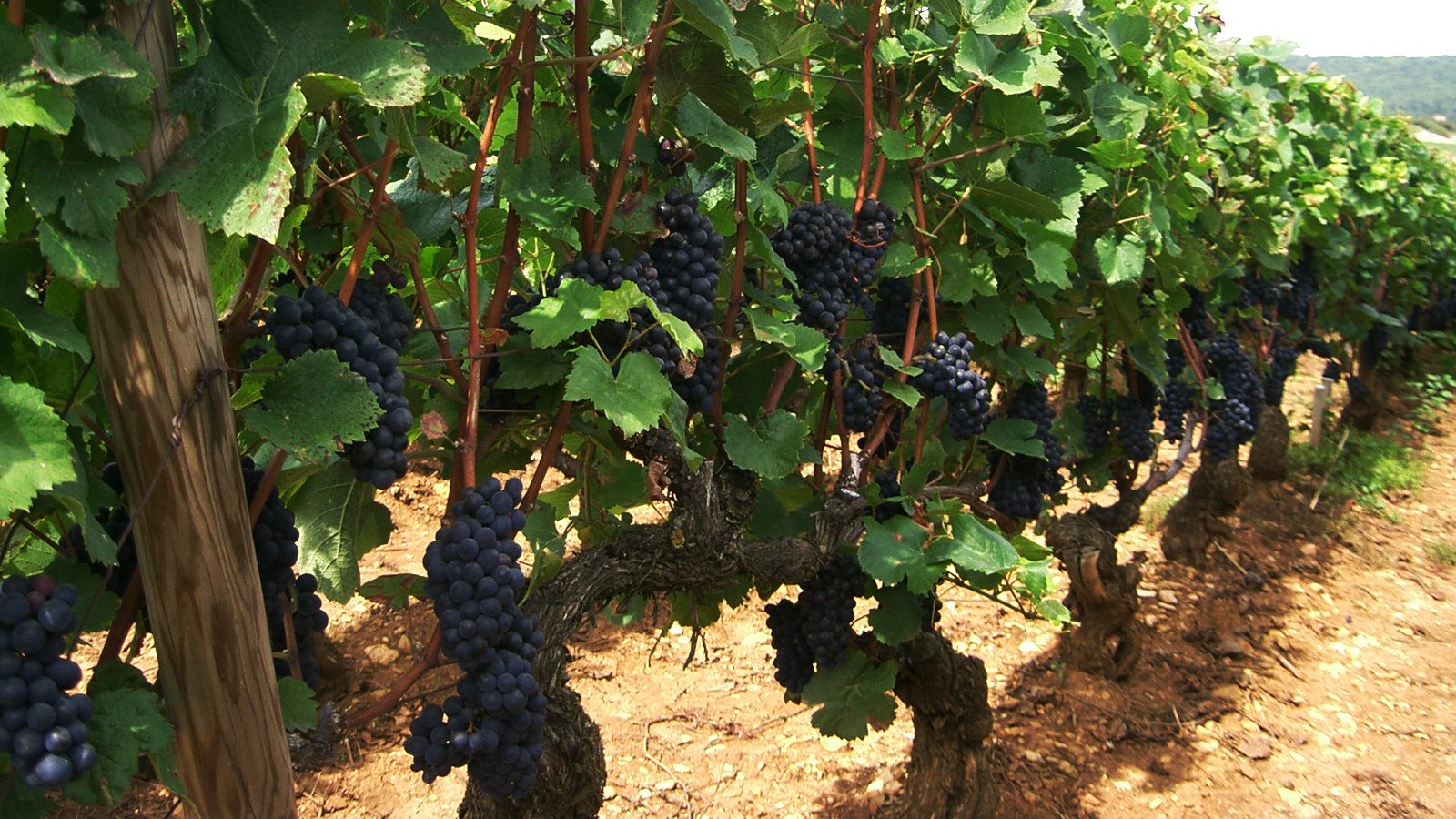
A grape's colour lives almost entirely in its skin, not its juice — press nearly any red grape gently and quickly enough, and the juice that comes out is pale, sometimes barely tinted at all. Colour only ends up in the finished wine because winemakers deliberately leave the juice sitting with those skins for a while. Skip that step, press the grapes fast and get the juice away from the skins immediately, and a black grape can make a wine that's technically, legally, and visibly white.
Where the name is most famous
In Champagne, Blanc de Noirs means exactly that: a white sparkling wine made entirely from black grapes, usually Pinot Noir, Pinot Meunier, or a blend of the two, pressed off their skins fast enough that essentially no colour transfers. It sits at the opposite end of a spectrum from rosé, which deliberately keeps some of that skin contact to get a visible tint — Blanc de Noirs is the same grapes, the same skins, with the contact time cut to nearly nothing on purpose.
It's not just a Champagne trick
The same logic works anywhere a black grape is grown, sparkling or still. Franciacorta in Italy makes its own Blanc de Noirs using the same principle. And the accidental, far less prestigious version of this same idea happened in California in the 1970s: a producer aiming for a saignée-style rosé from Zinfandel ended up with a stuck fermentation that left residual sugar behind, and White Zinfandel — pale, sweet, made from a black grape treated almost like a white one — became one of the best-selling wine styles in America almost by mistake. Zinfandel and its Italian twin Primitivo are, genetically, the same grape, which is a reminder that this technique isn't tied to one variety or one country — any sufficiently black grape, pressed fast enough, can be persuaded to make a white wine.
The same principle, opposite direction
Orange wine asks a white grape to behave like a red. Blanc de Noirs asks a red grape to behave like a white. Both prove the same underlying point: colour, tannin, and texture in wine are mostly a decision about skin contact time, not a fixed property of the grape itself.