
Belgium: Not Just The Best Beer In The World
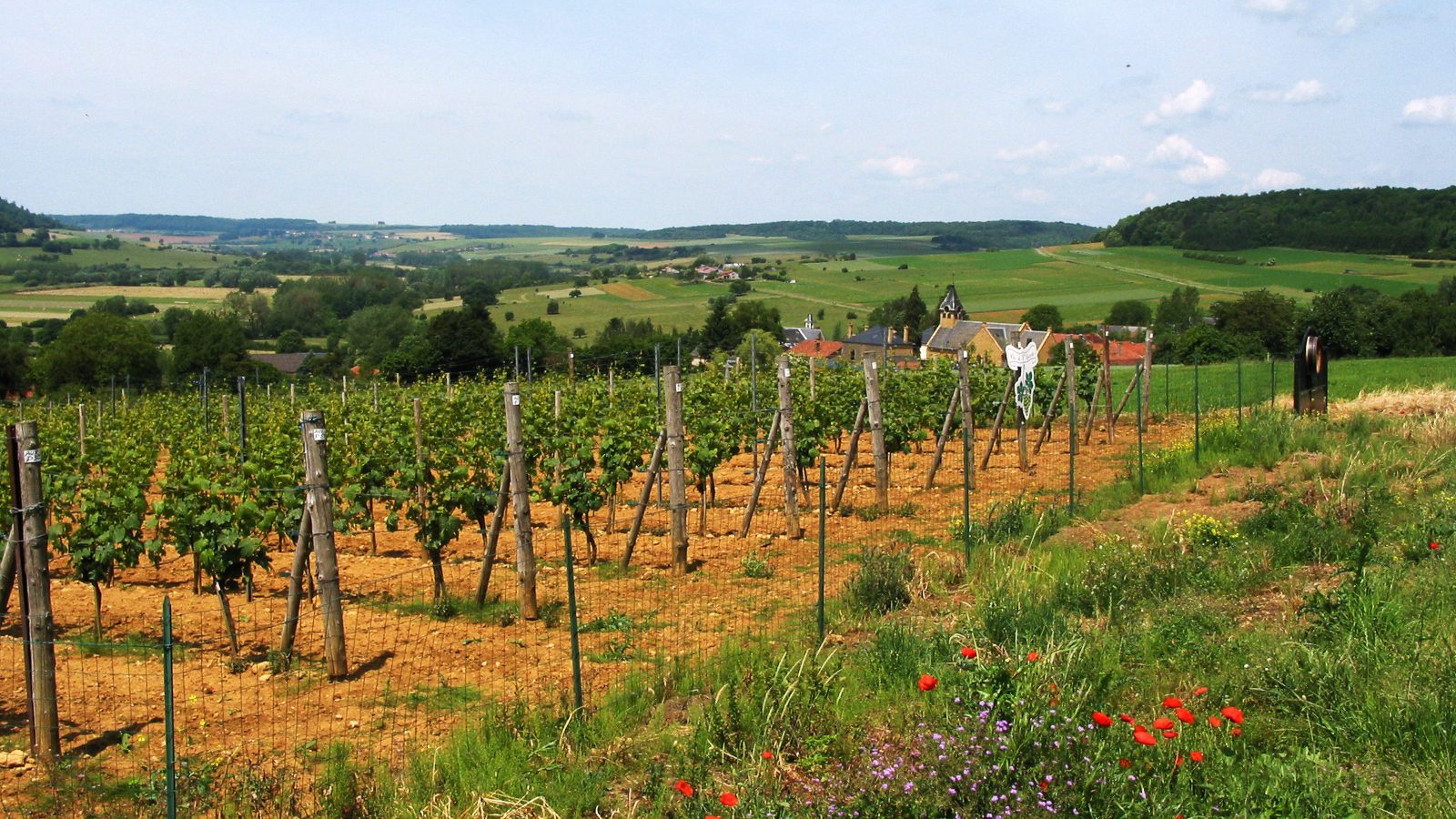
Everyone knows the beer. Belgium also quietly makes genuinely good cool-climate wine, and has done for long enough now to have its own appellations.
Mention Belgian drinks and everyone reaches for beer, usually a Trappist ale brewed at, or at least licensed by, one of the country's handful of working monasteries — monks quietly running one of the most respected brewing traditions on earth from behind their own walls. Ask the same person about Belgian wine and you'll mostly get a blank look. Fair enough: it's a rounding error next to the beer industry. It also happens to be genuinely good, and it's been quietly building a real identity for the last three decades.
Two appellations, both younger than most drinkers
Belgian wine has an official pecking order now, though not an old one. Hageland, centred on the town of Tienen in Flemish Brabant, became the country's first legally recognised wine appellation in 1997. Haspengouw, in the orchard country of Limburg near the Dutch border, followed in 2000. Both sit in Belgium's cool, damp climate — closer in character to nearby Champagne and Alsace than to anywhere properly warm — which shapes everything about the wine made there.
The grape doing the actual work
The most-planted grape in Belgian vineyards is one most drinkers couldn't name: Auxerrois, a soft, low-acid white close relative of Pinot Blanc that rarely gets put on a label by itself, usually folded into a blend instead. It suits the climate well — it ripens reliably without needing much heat, and its naturally gentle acidity doesn't need Belgium's short growing season to do it any favours. Chardonnay, Pinot Noir, and Müller-Thurgau round out most vineyards, largely destined for crisp still whites and a growing amount of traditional-method sparkling wine made the same way as Champagne.
What to actually look for
Skip anything trying to imitate a big, ripe New World style — that's not what this climate is built for, and producers who've stopped fighting it make the better wine. Look instead for traditional-method sparkling from Hageland or Haspengouw, which leans on exactly the same cool-climate, high-acid strengths that make English sparkling wine worth taking seriously. It's not going to replace the beer aisle in anyone's shopping basket. It doesn't need to — a country can be excellent at more than one drink at a time, and Belgium quietly is.