
What Is Terroir?
A word that sounds too elegant to argue with, attached to one of the most genuinely contested ideas in wine.
Terroir — the very French idea that a wine tastes like the specific dirt it grew in — gets thrown around like it settles an argument. It's actually one of the more genuinely contested ideas in wine, dressed up in a word that sounds too elegant to argue with.
What's actually in it
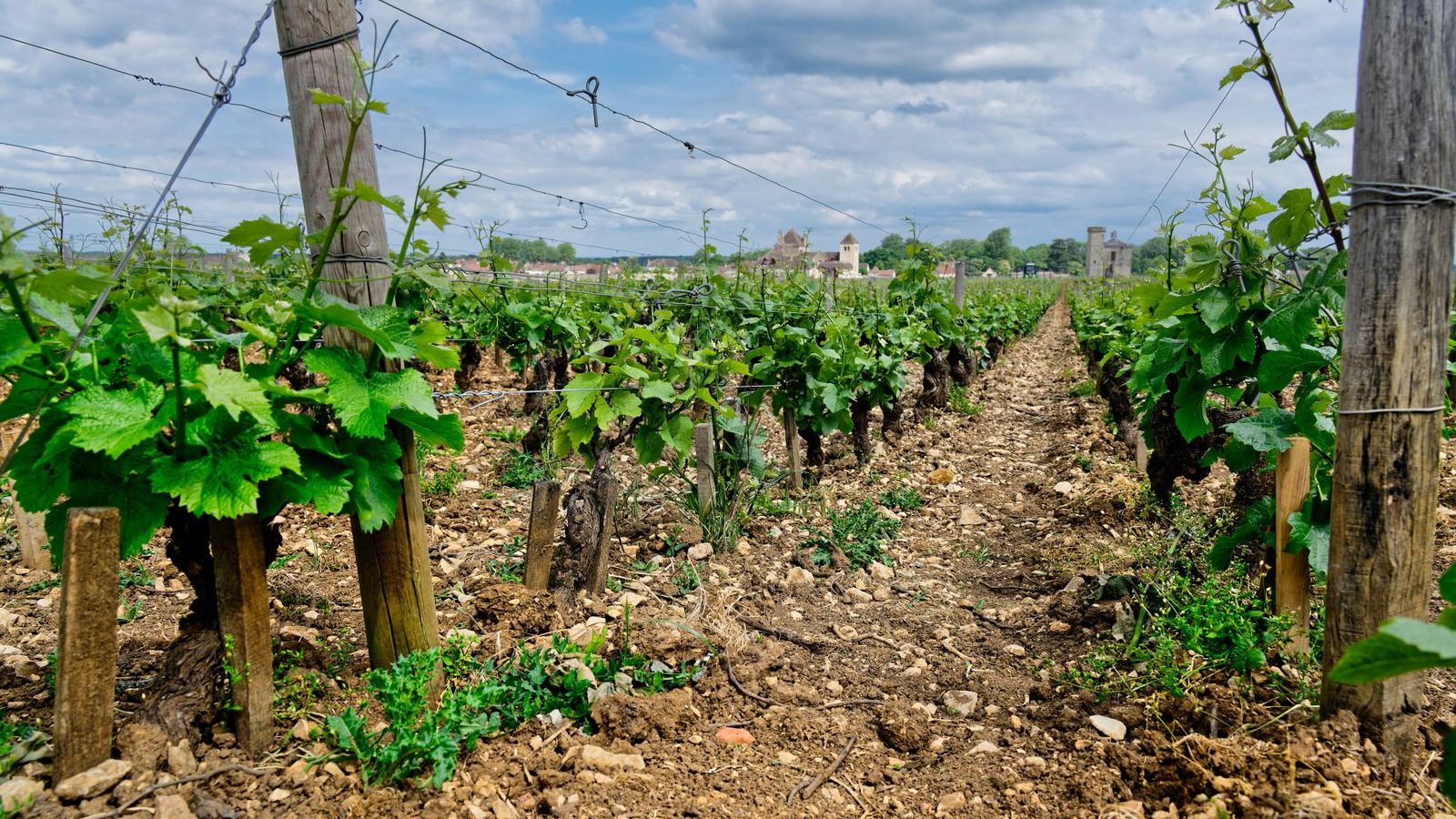
Strip away the mystique and terroir is really four separate, measurable things bundled into one word: soil (drainage, mineral content, how much heat it holds and reflects), climate (temperature, rainfall, how much sun the vines get across a season), topography (slope and aspect — a south-facing hillside in the northern hemisphere ripens differently to a flat valley floor), and, less romantically, human tradition — the specific grape and method a region has settled on over generations, which is itself a choice, not a fact about the ground.
Put a vine on a well-drained, stony, sun-reflecting slope with cool nights, and it genuinely will produce different grapes to the same vine on a damp, flat, shaded plot ten miles away. That much isn't controversial. Where it gets contested is how much of what ends up in your glass.
The skeptic's case
Blind-tasting research has repeatedly found that trained tasters, and certainly untrained ones, struggle to reliably identify a wine's specific origin by taste alone — including sometimes failing to distinguish a wine's own region from a neighbouring one, or even, in some studies, red from white when other cues are removed. If terroir were as detectable and distinct as the word implies, that shouldn't happen nearly as often as it does. Some of what gets attributed to "the dirt" is arguably just winemaking choices — yeast selection, oak use, harvest timing — dressed up in more romantic language.
Where that leaves you
Both things are true at once, uncomfortably: the physical differences between sites are real and measurable, and human ability to reliably taste those differences in isolation is far shakier than the wine world likes to admit. Treat "terroir" as a genuine, partially-provable claim rather than a settled fact, and a sommelier's rapturous speech about a vineyard's specific slope becomes a lot more enjoyable — as the interesting, half-true story it is, rather than the scientific certainty it's dressed up as.