
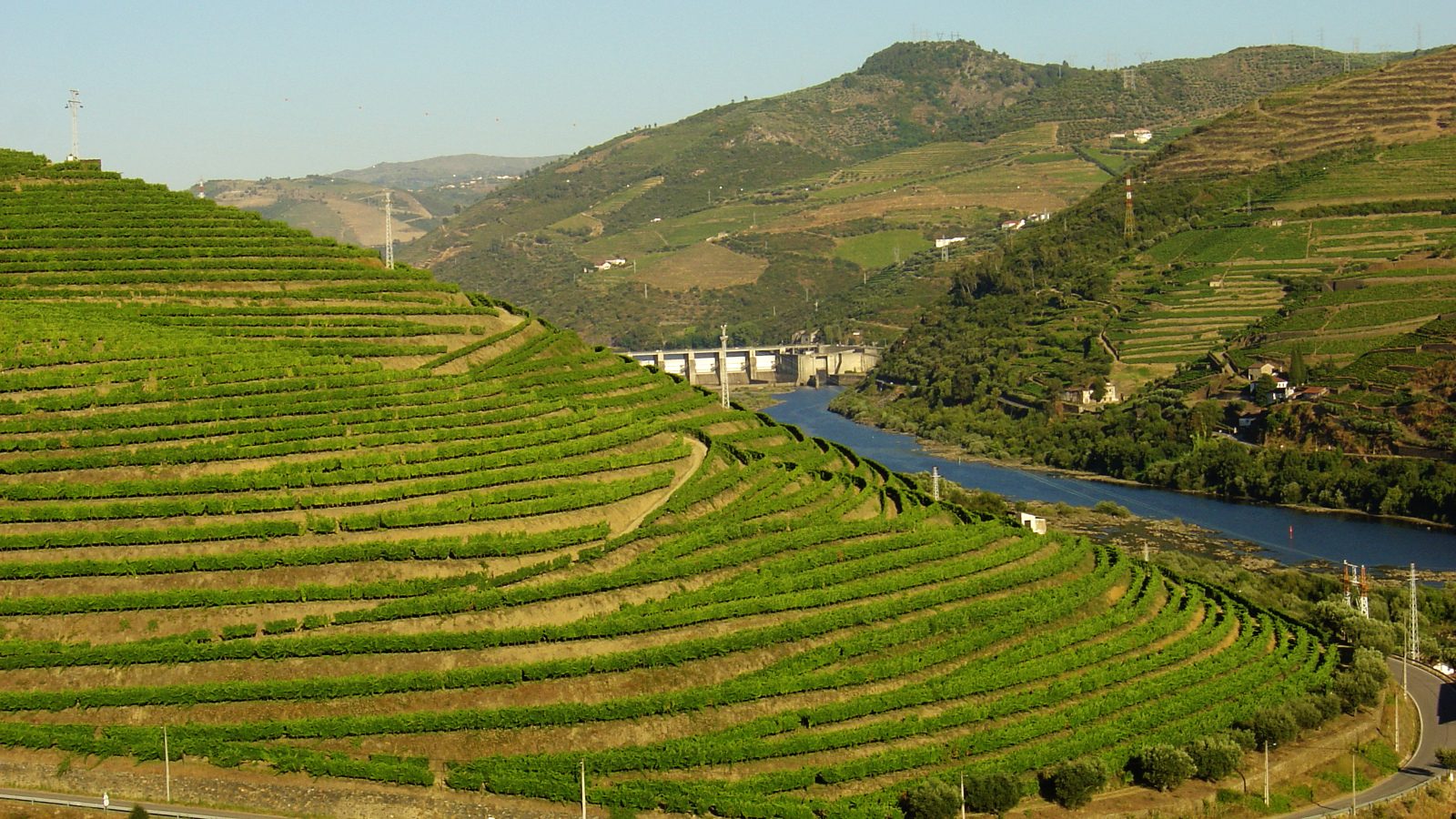
Port And The Douro Valley: The World's Oldest Wine Region
One trick — stopping fermentation early with a shot of spirit — built an entire wine style, in a region that wrote wine law before almost anyone else bothered to.
Add a splash of grape spirit to fermenting wine partway through, and you've changed everything about it: how sweet it ends up, how strong it gets, and how long it can survive in a bottle. That one mechanical trick — fortification — is the entire reason Port exists, and it happened in one of the most tightly controlled wine regions on the planet, decades before anyone else thought to control one at all.
The world's first regulated wine region
In 1756, the Douro valley was formally demarcated by royal decree, with boundaries, quality tiers, and rules on where grapes could be grown and how the resulting wine could be sold. That makes it the first legally defined, regulated wine region anywhere in the world — nearly two centuries before France got around to formalising its own appellation system. The reason wasn't romance; it was damage control. English merchants had flooded the market with adulterated, low-quality Port, and the Portuguese crown stepped in to protect the wine's reputation, and its export income, by law.
What fortification actually does
Fermentation is yeast eating sugar and producing alcohol until either the sugar runs out or the alcohol level gets high enough to kill the yeast. Port interrupts that process on purpose: partway through fermentation, a neutral grape spirit is added, pushing the alcohol level up fast enough to kill the yeast before it's finished converting all the sugar. What's left is a wine that's both sweeter and stronger than an unfortified wine could ever be by accident — typically 19-22% alcohol, with a meaningful amount of residual sugar still intact. It's a deliberate, engineered stopping point, not a side effect.
The terrain that makes it possible
None of this would matter without the Douro's brutal geography. The valley's schist terraces are cut into slopes so steep that mechanical harvesting is still largely impossible in the best vineyards — pickers work by hand on land that would be considered unfarmable almost anywhere else. That difficulty is part of why the wine concentrates so much flavour: the vines struggle, yields drop, and what little fruit survives is intensely flavoured.
Reading the style ladder
Once fortified, Port splits into styles based almost entirely on how — and how long — it's aged. Ruby is bottled young and fruity, aged briefly in tank or large barrel. Tawny ages for years in smaller barrels, slowly turning nutty and amber as it oxidises gently through the wood. Vintage Port is declared only in the best years, aged briefly in barrel then for decades in the bottle, throwing a heavy sediment along the way. Late Bottled Vintage is a single year too, but aged longer in barrel and bottled ready to drink, no decanting required. Colheita is a tawny from a single named vintage — all the nutty, oxidised character of long barrel ageing, but from one specific year rather than a blend.
Port gets filed under dessert wine more often than it gets studied on its own, which sells short a region that was drawing up serious wine law while most of Europe was still making it up as they went.