
Why Would You Make Wine From Rotten Grapes?
A fungus that ruins grapes in the wrong conditions concentrates them into something extraordinary in exactly the right ones.
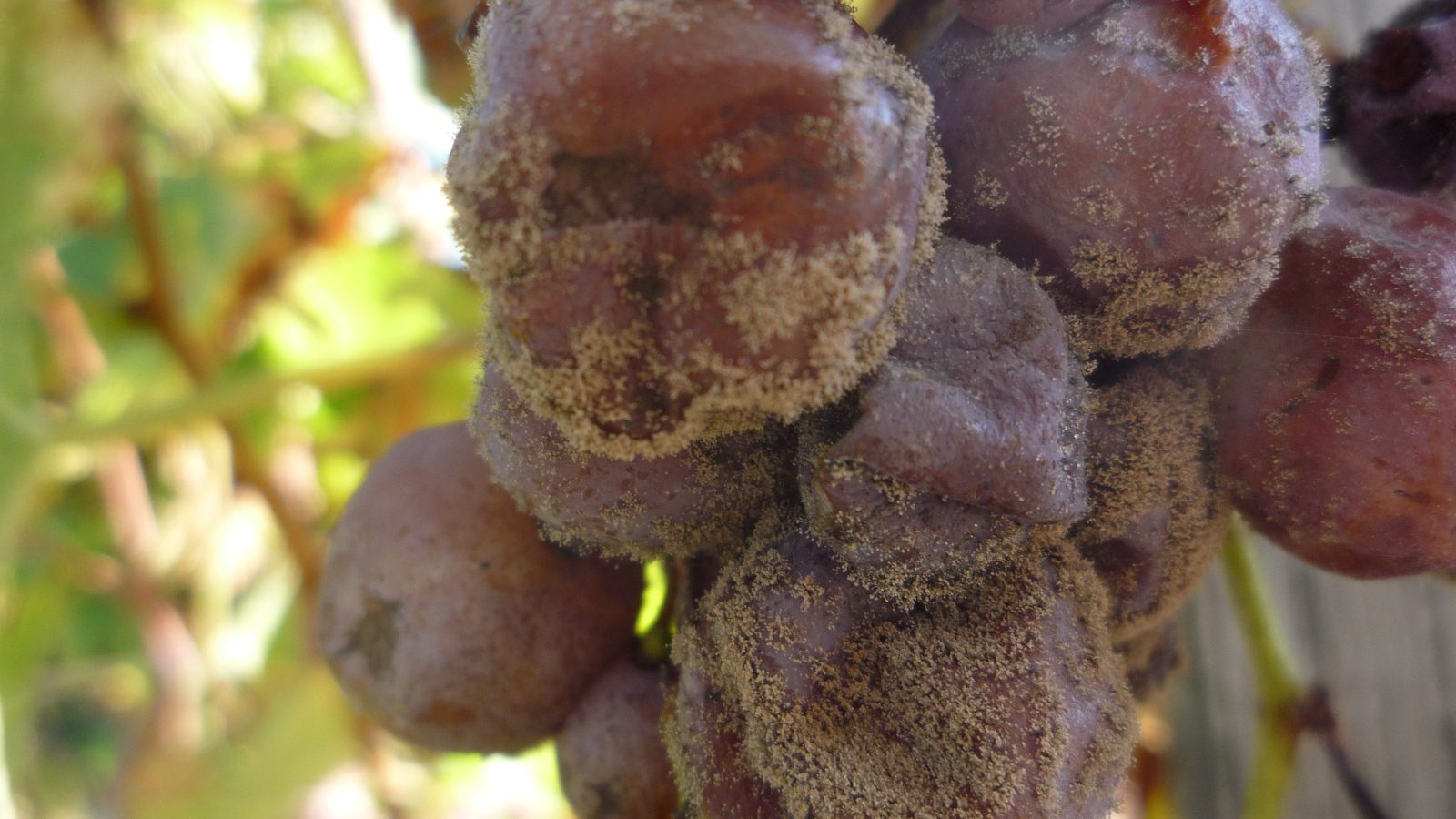
A grower watches a fungus spread across an entire vineyard's worth of ripe grapes, shrivelling them into wrinkled, grey-brown husks that look like they've been left out in the sun for a week too long, and decides this is the good outcome. It sounds like a crop failure being spun into a marketing story. It isn't — it's one of the only ways to make a genuinely intensely concentrated sweet wine, and there's no shortcut that replicates it.
The mechanism
Botrytis cinerea, the fungus responsible, is the exact same organism that ruins grapes in the wrong conditions — that's grey rot, a straightforward disaster that any grower is trying to prevent. Under a very specific combination of morning humidity (mist or fog) followed by dry afternoon sun, though, the same fungus behaves completely differently: it perforates the grape skin without destroying the fruit outright, and the moisture inside slowly evaporates through those tiny holes. What's left behind is a shrivelled grape with everything except the water concentrated — sugar, acid, and flavour compounds all packed into a fraction of the original volume. That's "noble rot," and the difference between noble and grey rot is entirely down to that fragile weather window, not anything the grower controls directly.
Why anyone would take the gamble
Leaving grapes on the vine deep into autumn, hoping for exactly the right damp-then-dry conditions rather than picking at the normal, safer time, is a genuine bet against the weather — a bad stretch of rain at the wrong moment can wipe out the crop entirely, with nothing to show for the wait. The payoff, when it works, is a wine so concentrated it can't be produced any other way; no amount of adding sugar after the fact replicates the specific balance of concentrated acid, sugar, and flavour that slow, controlled dehydration on the vine achieves.
Where to find it
Sauternes in Bordeaux is the most famous result, but Hungary's Tokaji Aszú and Germany and Austria's Beerenauslese and Trockenbeerenauslese all work from the same fungus and the same gamble, each region's specific fog-and-sun pattern producing a slightly different version of the same trick. Every one of them is proof that "rotten" and "ruined" aren't the same word, provided the weather cooperates at exactly the right moment.