
How To Train Your Palate
Nobody is born able to pick a grape out of a blind glass. It is repetition and comparison, built the same way for everyone.
Nobody is born able to pick apart a glass of wine into cherry, pepper, and wet stone. The mechanics of tasting properly get you through a single glass; a trained palate is what happens after you've done that a few hundred times, on purpose.
It's repetition, not talent
The people who can confidently call out a grape in a blind glass aren't working from some innate gift — they've just tasted an enormous number of wines, deliberately, and built a mental filing system of reference points along the way. Anyone building that same filing system gets the same result. The only genuinely rare ingredient is doing it consistently rather than occasionally.
Make comparison a habit, not an event
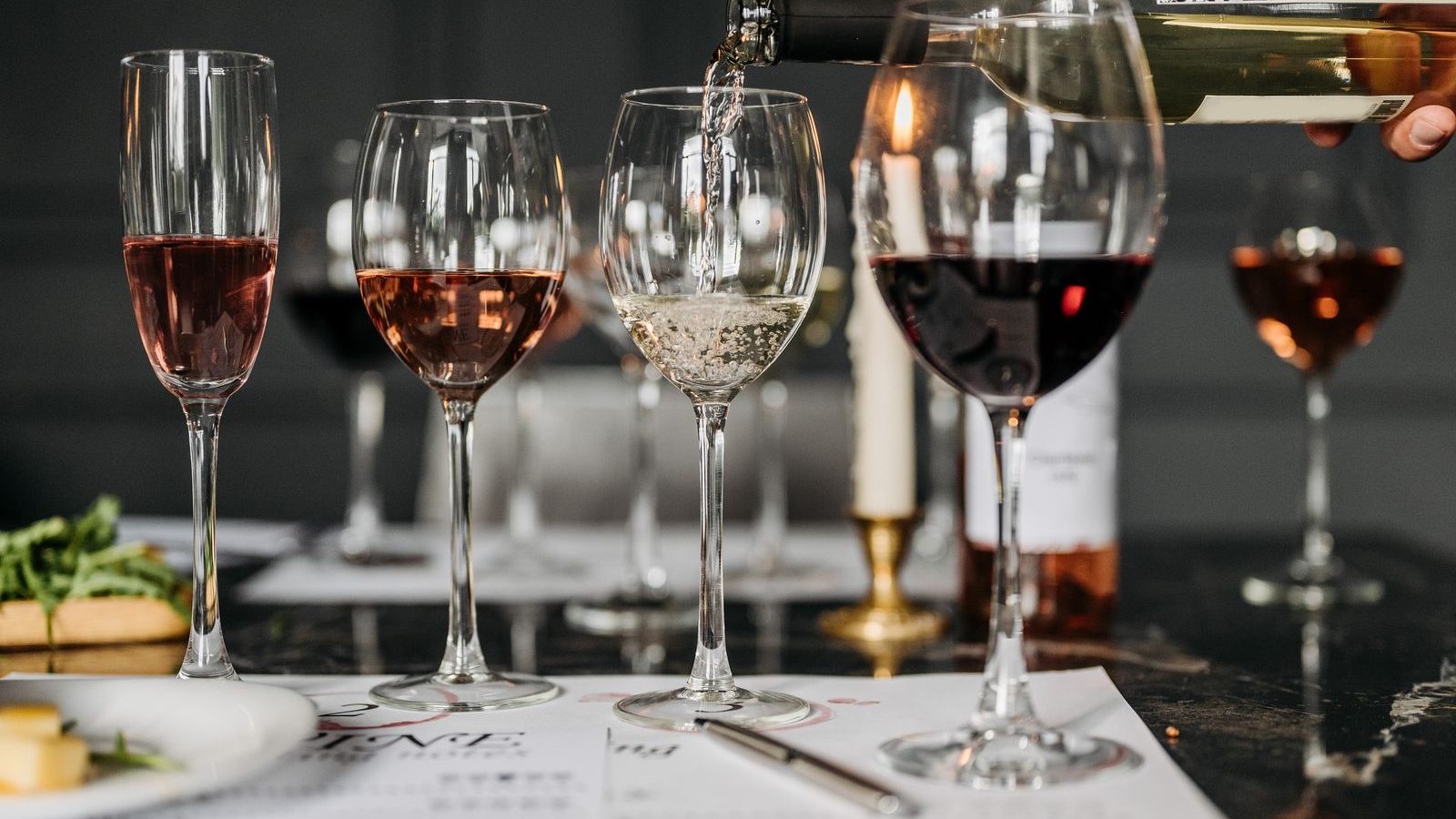
A one-off tasting night with friends teaches you a lot in an evening. Training your palate is the same principle stretched out over months: whenever you open two bottles, taste them side by side rather than on separate nights a week apart, even if it's just for two minutes before dinner. Comparison is what builds the filing system — a wine tasted alone just gets logged as "nice" or "not nice." A wine tasted next to something else gets logged with actual detail, because your brain finally has a reference point to describe it against.
Build your reference library outside the glass
Half the vocabulary problem with wine isn't tasting ability, it's never having consciously smelled the things wine descriptors refer to. Spend two minutes actually smelling black pepper, a ripe peach, wet stones after rain, or a handful of fresh mint, and file away what they actually smell like. Next time a wine has a hint of something similar, you'll recognise it instead of reaching for the same three vague adjectives everyone defaults to.
Taste blind occasionally
Get someone to hide the label, or pour from a bagged bottle, every so often. It's not about performing a party trick — it's the only way to find out whether your opinion of a wine is really about what's in the glass, or about the label, the price, or what you already expected to think before you'd tasted a drop. Most people are more influenced by that expectation than they'd like to admit, and blind tasting is the only honest way to check.
None of this requires a sommelier course or a special vocabulary. It requires paying attention on purpose, more often, and comparing rather than judging in isolation. Do that for six months and the difference is genuinely noticeable — not because you became a different kind of person, but because you built the filing system everyone else who "just has a good palate" built the exact same way.