
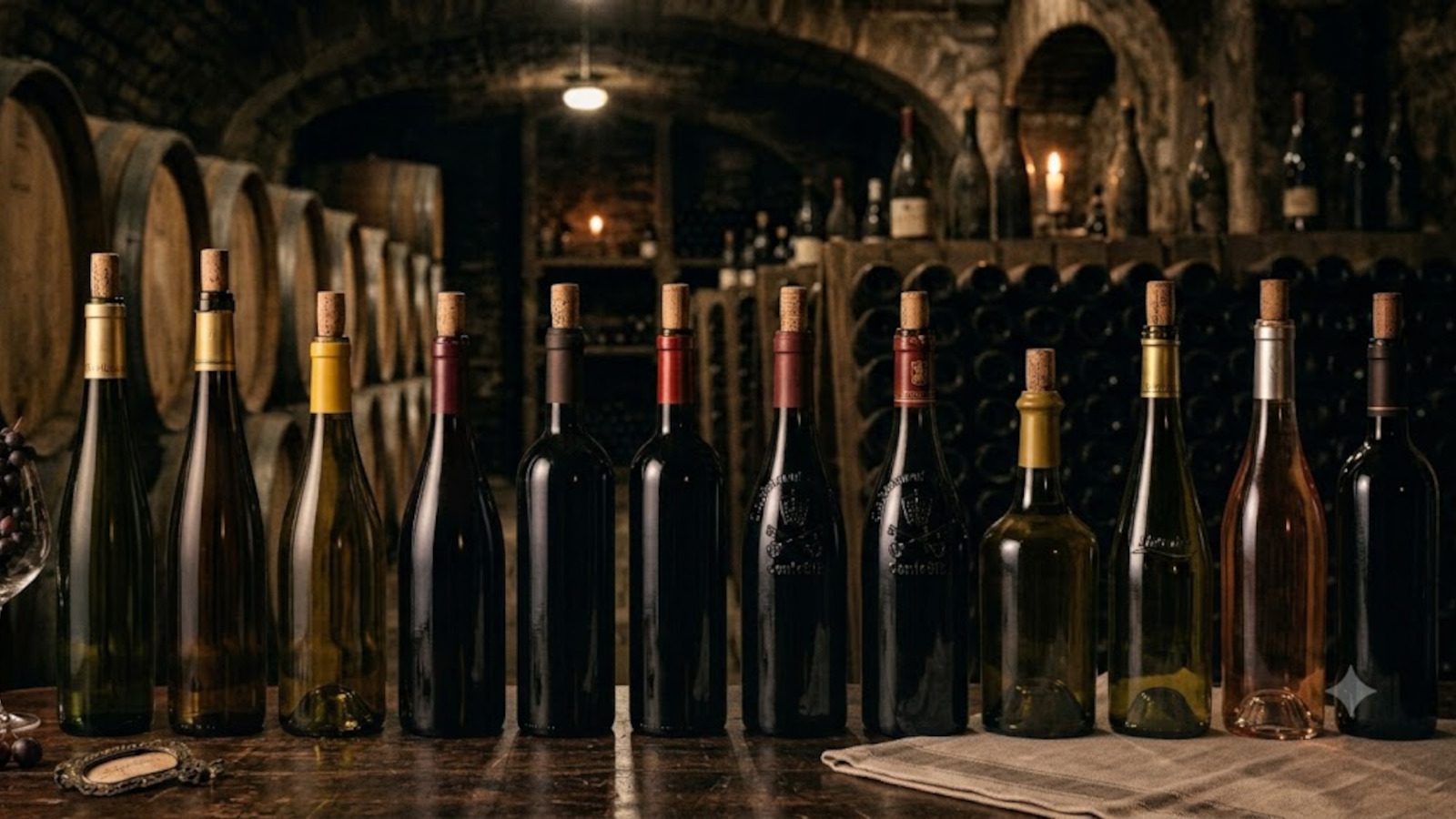
Why Are Wine Bottles 750ml?
Not a litre, not a pint, not a tidy fraction of anything obvious. Three competing explanations, and all three probably played a part.
A 750ml wine bottle isn't a round number in any measuring system anyone actually uses day to day. It's not a litre, not a pint, not a tidy metric fraction of anything obvious. Three competing stories claim to explain it, and the honest answer is that all three probably contributed something.
Theory one: a glassblower's lungs
The oldest, most romantic explanation: before mechanised bottle production, glassblowers shaped bottles by mouth, and the amount of molten glass a person could inflate in a single breath happened to land somewhere around 700–800ml. It's a lovely story, repeated constantly, and treated with real skepticism by glass historians — there's no solid documentary evidence pinning the standard specifically to lung capacity rather than to whatever mould or target size a workshop was already using.
Theory two: the old British gallon
A much better documented explanation: the historic English wine trade did enormous business with Bordeaux, and much of that wine was bottled and measured using British imperial units. The old imperial gallon divides neatly into six 750ml-ish bottles, and English merchants standardising shipping and bottling around that measure is a genuinely plausible, paperwork-backed reason the size stuck, independent of anyone's lung capacity.
Theory three: the EU just picked one
Whatever the historical drift toward "roughly 750ml" actually was, the number became official rather than accidental in the 1970s, when European regulation standardised a fixed list of legal sizes for pre-packaged liquids sold across the community — 750ml among them. After that point, the debate about lungs and gallons became academic: it's the law now, not just a habit.
The sizes above it, and why they age differently
From there, bottle sizes step upward with their own historical names — a Magnum being the plainest example, at exactly two standard bottles, 1.5 litres. Bigger formats are widely reputed to age more gracefully, and there's a real mechanism behind that rather than just prestige: a magnum has the same cork, and roughly the same surface area of wine exposed to that cork, as a standard bottle, but twice the volume of wine underneath it. Less oxygen exposure relative to the total liquid means slower, more gradual ageing — a genuine physical reason big bottles are prized for long cellaring, not just a size flex at the dinner table.