
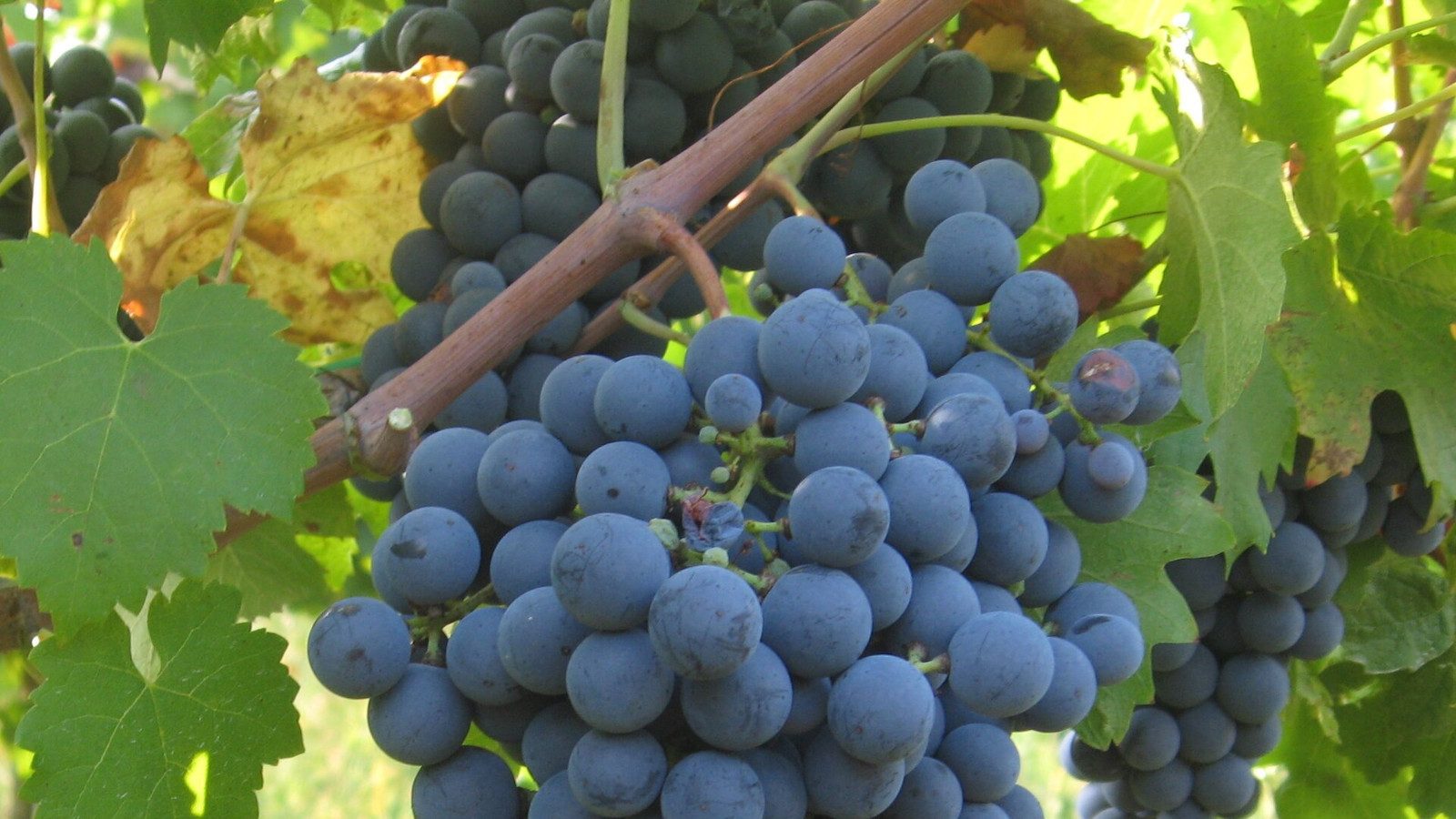
Carménère: The Grape Presumed Extinct For 100 Years
An entire country's wine industry was selling the wrong grape for over a century, and didn't find out until a DNA test said so.
For most of the 20th century, Chilean winemakers were confidently selling a wine they had misidentified. Not a small mislabel, either — an entire grape variety, growing across huge stretches of the country's best vineyard land, sold for decades as Merlot by people who had absolutely no reason to doubt it. It took a DNA test to prove them all wrong.
A Bordeaux grape that vanished at home
Carménère originated in Bordeaux, where it was once a normal part of the region's red blends alongside Cabernet Sauvignon, Cabernet Franc, and Merlot. When phylloxera devastated European vineyards in the late 1800s, growers replanted with whatever recovered fastest and ripened most reliably — and Carménère, a notoriously late-ripening, temperamental vine, mostly didn't make the cut. Within a few decades it had effectively vanished from Bordeaux, written off as a minor casualty of the rebuild.
Hiding in plain sight, on the other side of the world
What nobody realised for a very long time was that cuttings of Carménère had been shipped to Chile decades before the French vineyards were wiped out, and had kept right on growing there — mixed in among Merlot vines, sharing similar leaf shape and growth habit, and never flagged as anything unusual. For over a century, Chilean Merlot was, in large part, quietly Carménère, ripening a few weeks later than the vines around it and occasionally confusing growers who couldn't work out why some of their "Merlot" refused to ripen on schedule.
The DNA test that embarrassed an industry
The mix-up finally got sorted out in 1994, when a French ampelographer ran genetic testing on Chilean vineyards and confirmed what the plants themselves had apparently been hinting at for years: a huge proportion of what the country called Merlot was actually Carménère. It wasn't a quiet correction — it meant relabelling exports, rewriting vineyard records, and admitting that an entire national wine industry had been selling the wrong grape at scale without anyone catching it.
Chile's grape now, properly
Rather than treat that as an embarrassment to bury, Chile leaned into it, and Carménère is now marketed as the country's signature red. It's a genuinely different drink from Bordeaux Merlot too: gentler tannins, a similar core of red cherry and dark chocolate, but with a distinctive green pepper and spice streak that Merlot rarely shows. The grape France gave up on found a second home entirely by accident, and ended up doing better there than it ever managed at home.