
Beaujolais Nouveau And The Wine Race That Took Over The World
The wine everyone treats as a marketing gimmick is actually made by a completely different fermentation method — and it's dragging serious Beaujolais down with it.
Ask most wine drinkers about Beaujolais Nouveau and you'll get some version of "isn't that the gimmicky one, with the race?" That reputation isn't wrong, exactly — there genuinely is a race, and the marketing genuinely is the point of the wine's existence. What gets missed is that the method behind it is a real, deliberate winemaking technique, not a shortcut, and it's completely different from how a normal red is made.
A different kind of fermentation
Standard red winemaking crushes the grapes first, then ferments the juice with the skins in contact for extracted colour and tannin. Carbonic maceration skips the crushing step almost entirely. Whole, uncrushed grape clusters go into a sealed tank flooded with carbon dioxide, and fermentation starts inside each individual berry, driven by the grape's own enzymes rather than yeast acting on crushed juice. Only once enough of that internal fermentation has happened do the grapes get pressed, with conventional yeast fermentation finishing the job on the resulting juice.
That process is why the wine tastes the way it does: intensely fruity — banana and bubblegum notes turn up more than any grape typically produces on its own — low in tannin, and ready to drink within about six to eight weeks of harvest, rather than the months or years most reds need. It's not an inferior version of "real" winemaking. It's a specific set of choices that trades structure and ageing potential for speed and pure, uncomplicated fruit.
The marketing built entirely around a date
Where the reputation comes from is the release itself. Every year, on the third Thursday of November, "Le Beaujolais Nouveau est arrivé" becomes an actual global event — bars stay open past midnight for the first pour, and in past decades bottles were raced by plane, boat, and even Concorde to be first to market in Paris, London, and Tokyo. It's one of the most successful pieces of wine marketing ever devised, precisely because the wine itself is genuinely, deliberately simple: there's no complexity to oversell, so the whole pitch became the speed and the spectacle instead.
Don't let it tar the serious stuff
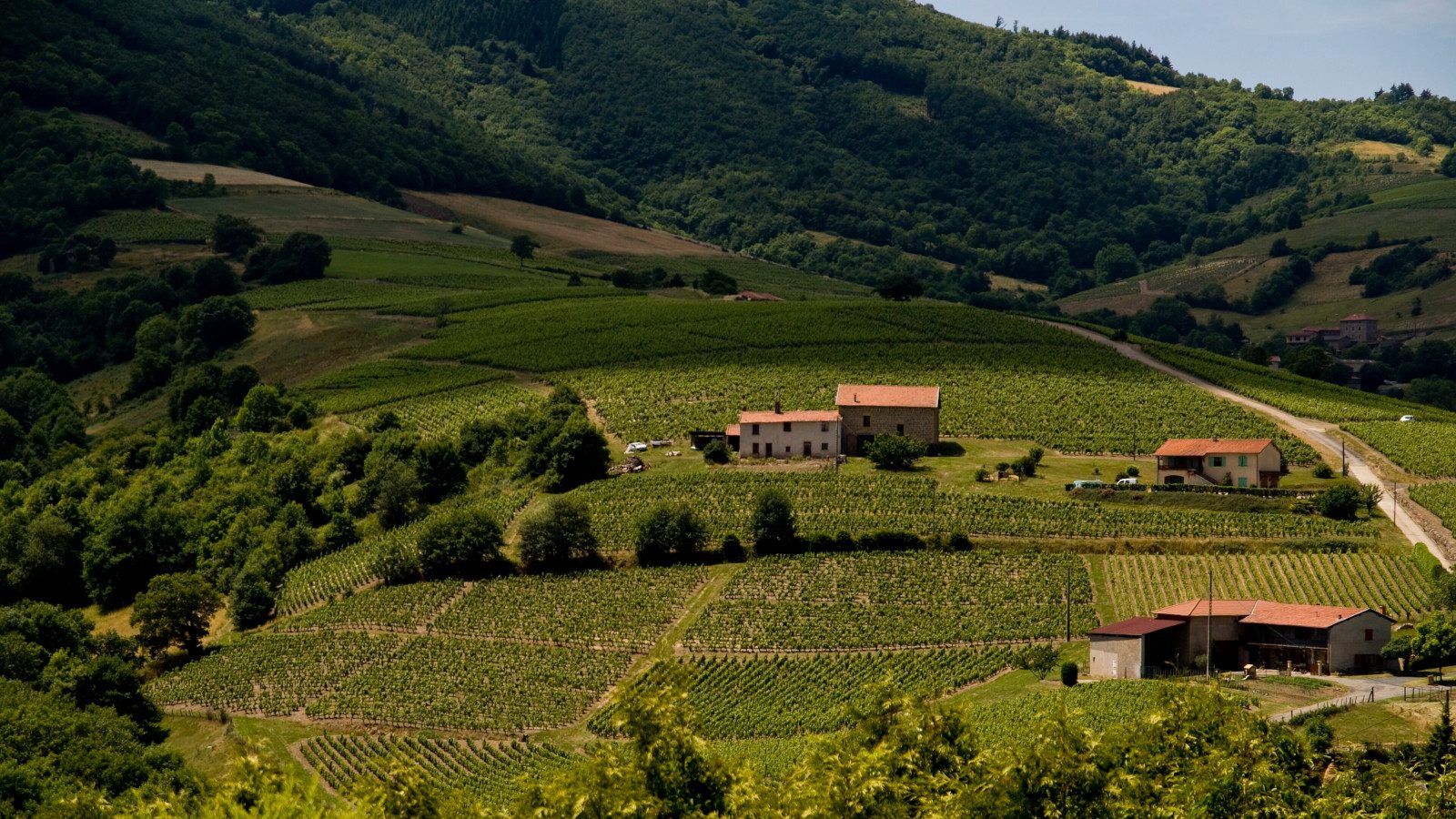
The trouble is that Nouveau's novelty-wine reputation splashes back onto Beaujolais as a whole, which also makes some of France's most underrated serious reds. Cru villages like Morgon and Fleurie use the same Gamay grape, made the conventional way, aged properly, capable of real complexity and even some bottle age. They have almost nothing in common with the wine racing off a plane in November beyond sharing a name on the label — which is roughly like judging an entire family by its most attention-seeking member.