
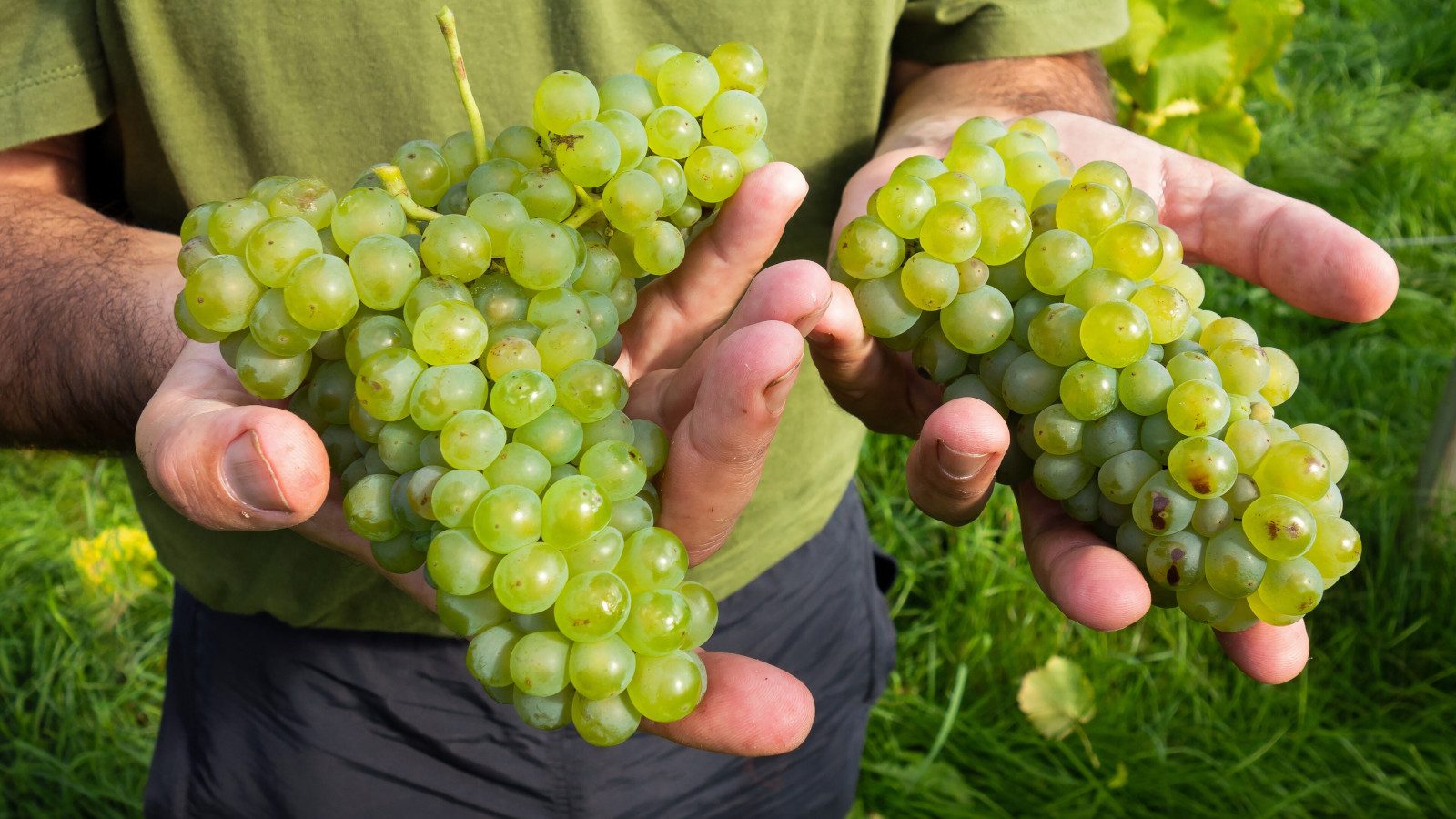
How The Same Grape Produces Great Wines All The Way From Norway To Thailand
Bred in Germany for a short, cold Scandinavian summer, and now thriving in a Red Bull-owned tropical vineyard near the equator — for exactly the same underlying reason.
One white grape is currently making genuinely good wine in vineyards near the Arctic Circle and in vineyards sitting in tropical monsoon humidity a few degrees north of the equator. Same grape, same DNA, two climates that share almost nothing else in common.
The trait that started it all
Solaris was bred at Germany's Freiburg wine institute and released in 1975, aimed squarely at one problem: ripening reliably in a short, cold, damp growing season. To survive that brief, unreliable window, it needed to ripen early and shrug off the fungal diseases — mildew, botrytis — that thrive in cool, damp air. That's the entire design brief: early, hardy, disease-resistant. Nobody bred it with the tropics in mind at all.
The side effect nobody was optimising for
Disease resistance doesn't care what's causing the damp. A grape bred to resist mildew and rot in a cold Scandinavian summer turns out to have exactly the trait a grower in a hot, humid monsoon climate desperately needs too — because relentless heat and moisture breed the same fungal pressure a cold, wet climate does, just from the opposite temperature direction. What Solaris was built for by accident of climate turned out to solve a completely unrelated climate's biggest problem.
Where that took it: the Red Bull connection
Thailand's Monsoon Valley vineyards, run by Siam Winery, belong to the same Yoovidhya family behind Red Bull — a genuinely unlikely pairing of energy drink fortune and tropical viticulture. Most of the vineyard's fruit is still Shiraz, Chenin Blanc, and Colombard, grown using a "double-pruning" technique that forces two harvests a year around the monsoon rains rather than fighting them. Solaris sits alongside those varieties as a newer, more experimental planting — chosen specifically because its resistance to rot and mildew, developed for an entirely different climate crisis, transfers directly to surviving Thailand's relentless heat and humidity.
Arctic versus tropic, same vine
In Scandinavia, Solaris makes lean, high-acid, aromatic whites shaped by long summer daylight and short, cool seasons. In Thailand, the same grape ripens faster than its warm-climate neighbours and still produces a fresh, aromatic wine — gooseberry and citrus character surviving intact despite a completely different set of growing conditions doing the work. Same variety, same core resistance genes, two entirely different climate problems solved by the same accident of breeding. Not many grapes can claim a range from the Arctic Circle to the Gulf of Thailand. This one didn't even get bred to do it.