
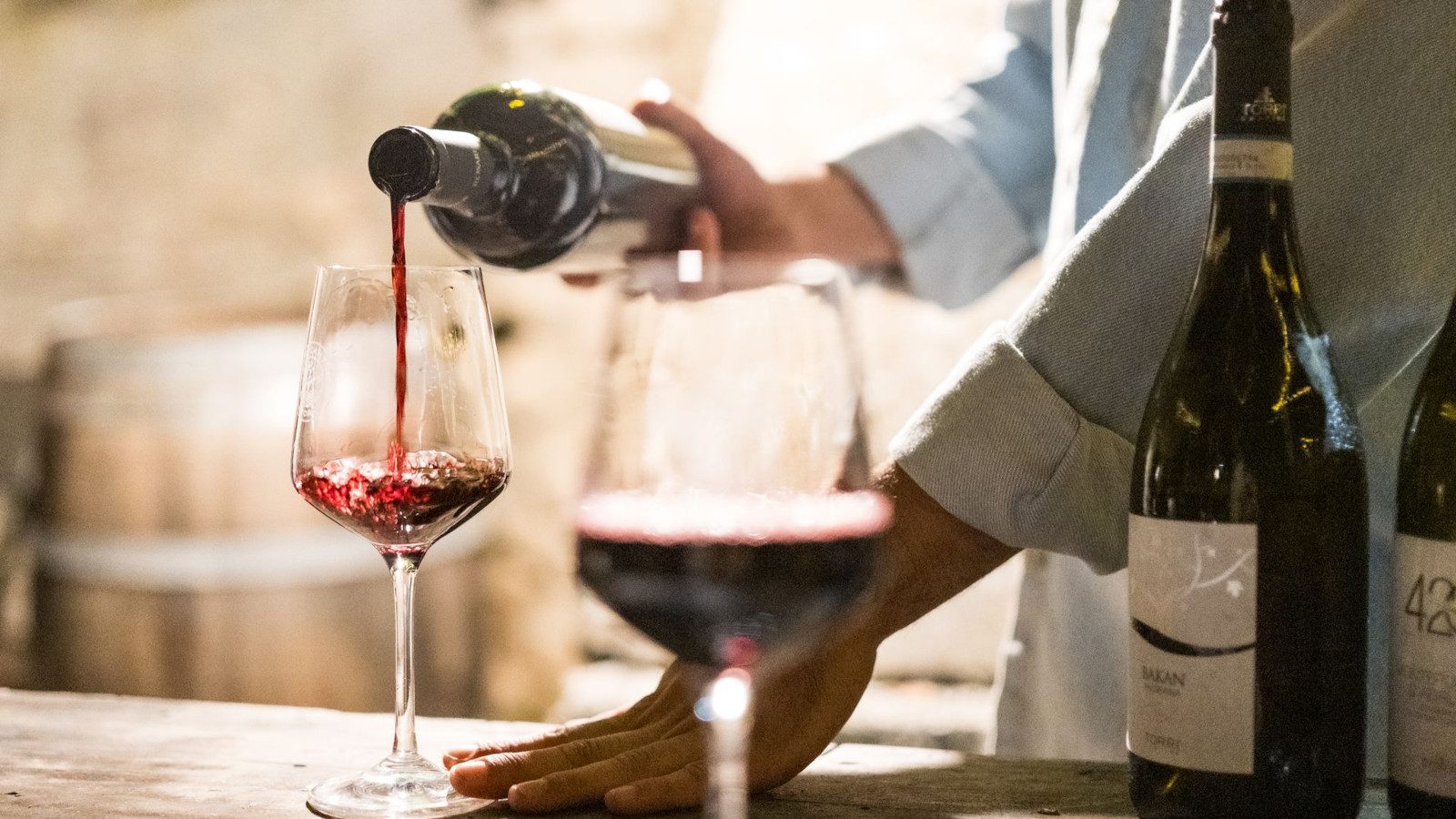
What's The Difference Between A Sommelier And A Wine Snob?
One passed a genuinely brutal blind-tasting exam. The other just talks like they have. Only one of them is actually trying to help you.
One of them can be handed an unlabelled glass and correctly name the grape, the region, and roughly the vintage inside a few minutes, under real time pressure, while also running a dining room. The other one just talks like they could. Both will happily tell you what's wrong with your order. Only one of them has actually earned the right to.
What the qualification really involves
Sommelier certification, through bodies like the Court of Master Sommeliers, runs through genuinely brutal, multi-level exams — Introductory, Certified, Advanced, and finally Master, the last of which only a few hundred people worldwide have ever passed since the process began. Each level combines blind tasting (correctly identifying grape, origin, and approximate vintage from a glass with zero information given), service knowledge (decanting, glassware, storage, food pairing under time pressure), and dense theory. It's an exam built to be failed by most people who attempt it, repeatedly, which is exactly the same deliberate, repetitive comparison practice this site has already argued is the only real way to train a palate — just taken to a professional extreme.
What the job actually is
Underneath the theatre, a sommelier's job is logistics: matching wine to food and to a stranger's stated budget, fast, for one table after another, all evening, without making anyone at the table feel talked down to. It's a service role built around reading a guest's actual intent, not a lecture opportunity — the good ones want exactly the kind of specific, plain-language request this site's already recommended asking for ("something like this, but drier, around thirty pounds"), because it makes their job faster and their recommendation better.
What the snob is actually doing
No blind exam, no time pressure, no obligation to be useful to anyone else at the table — just the vocabulary and the confident tone, deployed to make a wine list feel like a test only they can pass. The tell is usually the direction the conversation points: a real sommelier's questions are aimed at narrowing down what you'd actually enjoy; a snob's comments are aimed at establishing that they know more than you do. Ordering with confidence has never required matching either of their vocabularies — just being specific about what you actually want, which is precisely what a real sommelier is trained to work with, and precisely what a snob has no real use for.