
Retsina: The Wine Greece Never Stopped Making On Purpose
The reason Greek wine used to taste of pine disappeared centuries ago. Producers kept adding the pine anyway.
The usual line on retsina is that it's cheap Greek plonk that tastes like a paint tin, kept alive purely by tourist tavernas and nostalgia. The tourist-taverna bottles absolutely exist and do it no favours. But the pine flavour itself isn't a flaw that Greek winemakers never bothered fixing — it's a tradition they've deliberately kept going for thousands of years after the reason for it disappeared.
Why pine got into the wine in the first place
Ancient Greek wine wasn't stored or shipped in glass or oak; it went in clay amphorae, sealed with pine resin to keep them airtight during storage and transport across the Greek islands and beyond. That resin didn't just sit on the surface doing its job quietly — it leached into the wine, and pine became simply what wine tasted like across a huge part of the ancient Mediterranean. Nobody was choosing a flavour. They were choosing a container that happened to have one.
The practical need vanished; the taste didn't
Glass bottles, cork stoppers, and modern winemaking made resin-sealed clay pots obsolete centuries ago. There is no remaining practical reason for pine to be anywhere near a bottle of wine. And yet Greek winemakers kept making retsina anyway, now adding a small, controlled amount of pine resin — usually from Aleppo pine — directly during fermentation, purely because generations of drinkers expected that flavour and would have felt short-changed by its absence. It's one of the rare cases in wine where an accident of packaging became the entire point of the product, on purpose, long after the accident stopped happening.
Built to be divisive, and that's fine
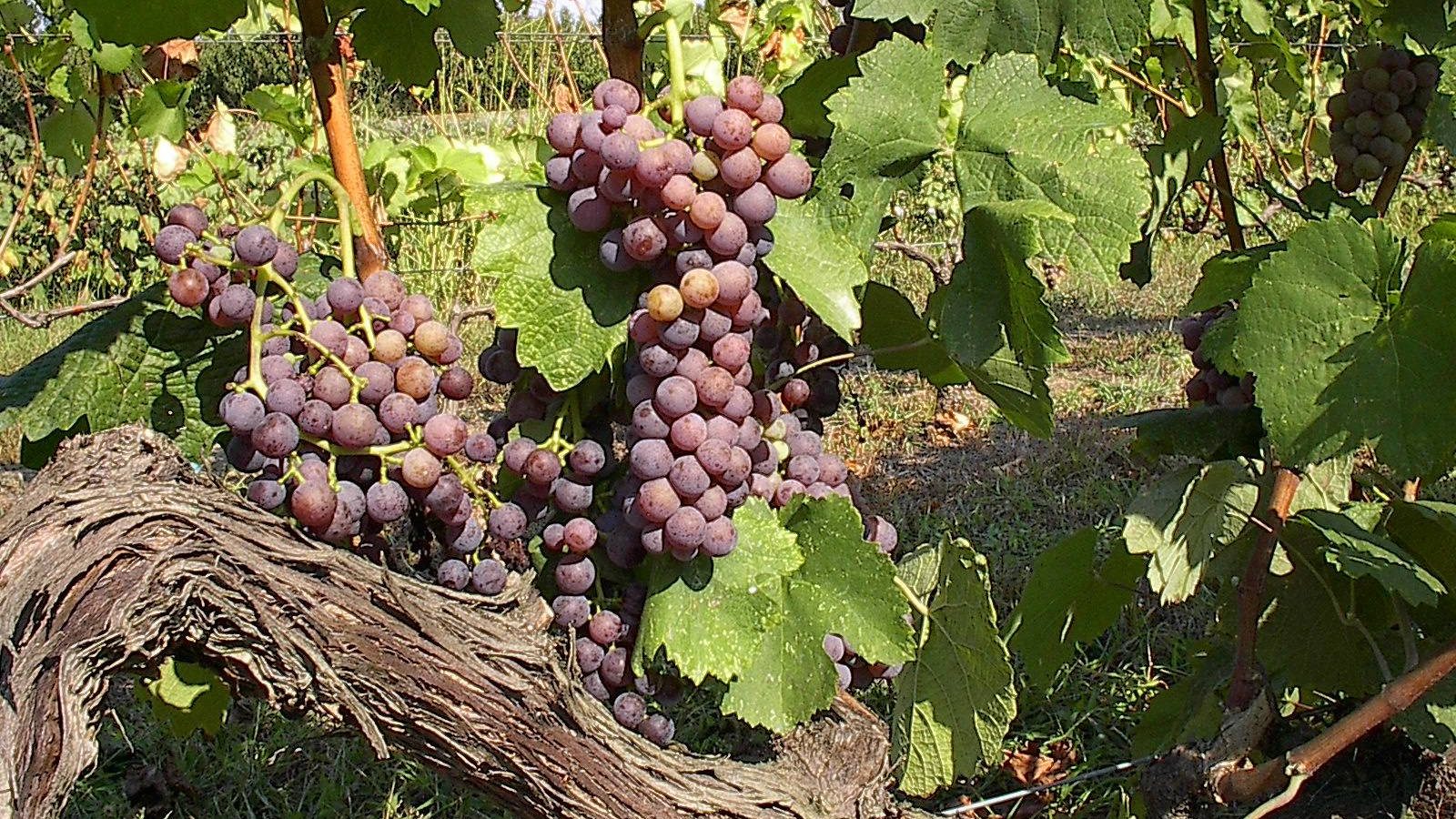
The base grape is typically Savatiano, a mild, high-yielding white that's largely neutral on its own — which is exactly why it works here, since it leaves the pine plenty of room to actually come through rather than fighting another strong flavour for attention. The result is genuinely polarising: pine, tar, and turpentine notes that would be treated as a serious fault in literally any other wine are the entire selling point in this one. That's not a wine failing to hide a flaw. That's a wine refusing to.
Where to actually try it
Serious retsina, made carefully rather than as an afterthought, is worth seeking out beyond the carafe at a beach taverna — it's a genuinely different style of white, not a lesser one, and the pine character sharpens rather than dulls when it's made well. Judge it on what it's actually trying to be, not on how many holiday memories it's had to survive.