
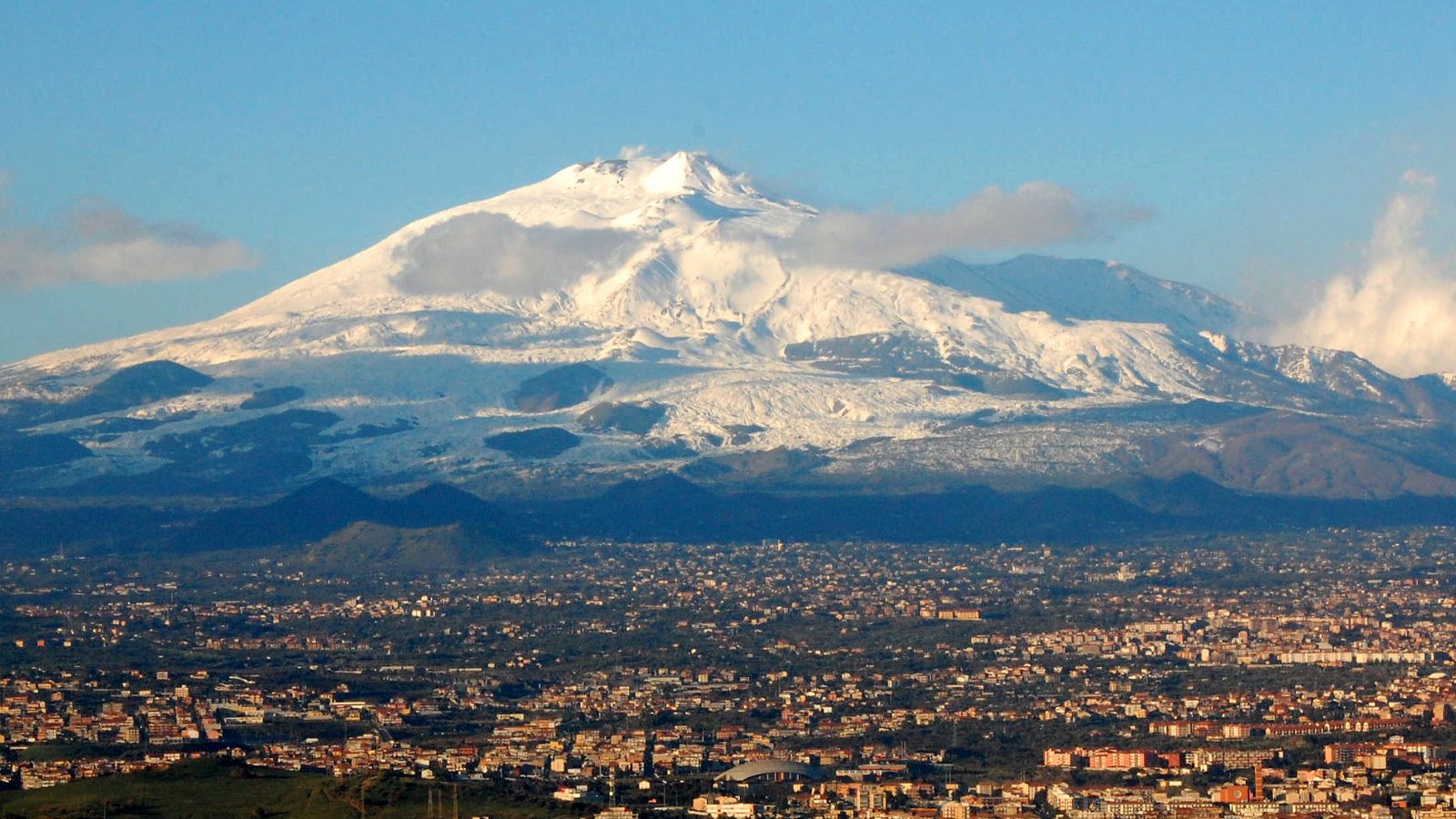
Wine On A Volcano: How Etna's Soil May Have Saved It From Phylloxera
Vines growing in the sandy soil of an active volcano turn out to be one of the rare European survivors of the pest that wiped out almost everyone else.
Phylloxera is the root louse that wiped out most of Europe's vineyards in the late 1800s, and the standard fix has been the same for well over a century: graft European vines onto American rootstock, which the louse can't kill. Almost nowhere in Europe escaped needing it. Etna is one of the rare exceptions, and the reason comes down to what the vines are actually planted in.
Why the louse can't get a foothold
Phylloxera attacks vine roots, and it needs a specific kind of soil to move through and reach them — the kind of dense, clay-heavy ground that makes up most of Europe's vineyards. Etna's slopes are covered in loose, sandy volcanic soil instead, broken down from centuries of lava and ash, and that structure is genuinely inhospitable to the louse's movement. It's not that Etna's vines are immune to phylloxera; it's that the ground itself makes it much harder for the pest to spread and establish. The upshot: some vineyards on the mountain still grow vines on their own original rootstock, ungrafted, a rarity almost anywhere else in Europe and effectively unheard of at this scale.
The same soil doing double duty
That volcanic ground isn't just an accidental pest deterrent — it's doing real, measurable viticultural work too. It drains fast after rain, so roots aren't sitting in waterlogged ground. It retains daytime heat and releases it slowly overnight, moderating temperature swings at altitude (some Etna vineyards sit above 900 metres). And it's mineral-rich in ways that show up directly in the glass, giving the wine a smoky, almost saline edge that's hard to replicate anywhere without the same geology underneath it.
Vines planted on an active volcano
None of this is metaphorical: Etna is an active volcano, and several vineyards have been pushed back or reclaimed by actual lava flows over the centuries. Farming on the slopes of something that occasionally erupts is precisely the kind of raw deal that would make sense of a lot of eccentric wine-region habits, and Etna wears it without much fuss.
The grape built for the mountain
The dominant red grape is Nerello Mascalese — pale in colour, high in acid, and structured enough that it's regularly compared to Pinot Noir and Nebbiolo. It's a grape that thrives on exactly what Etna offers: altitude, poor but mineral-rich soil, and enough acidity in the fruit to handle both. Somewhere on this mountain there are vines with roots doing precisely what their great-grandparents' roots did, on the very rare patch of European soil the 19th century's biggest vineyard disaster largely passed by.